



INTRODUCTION:
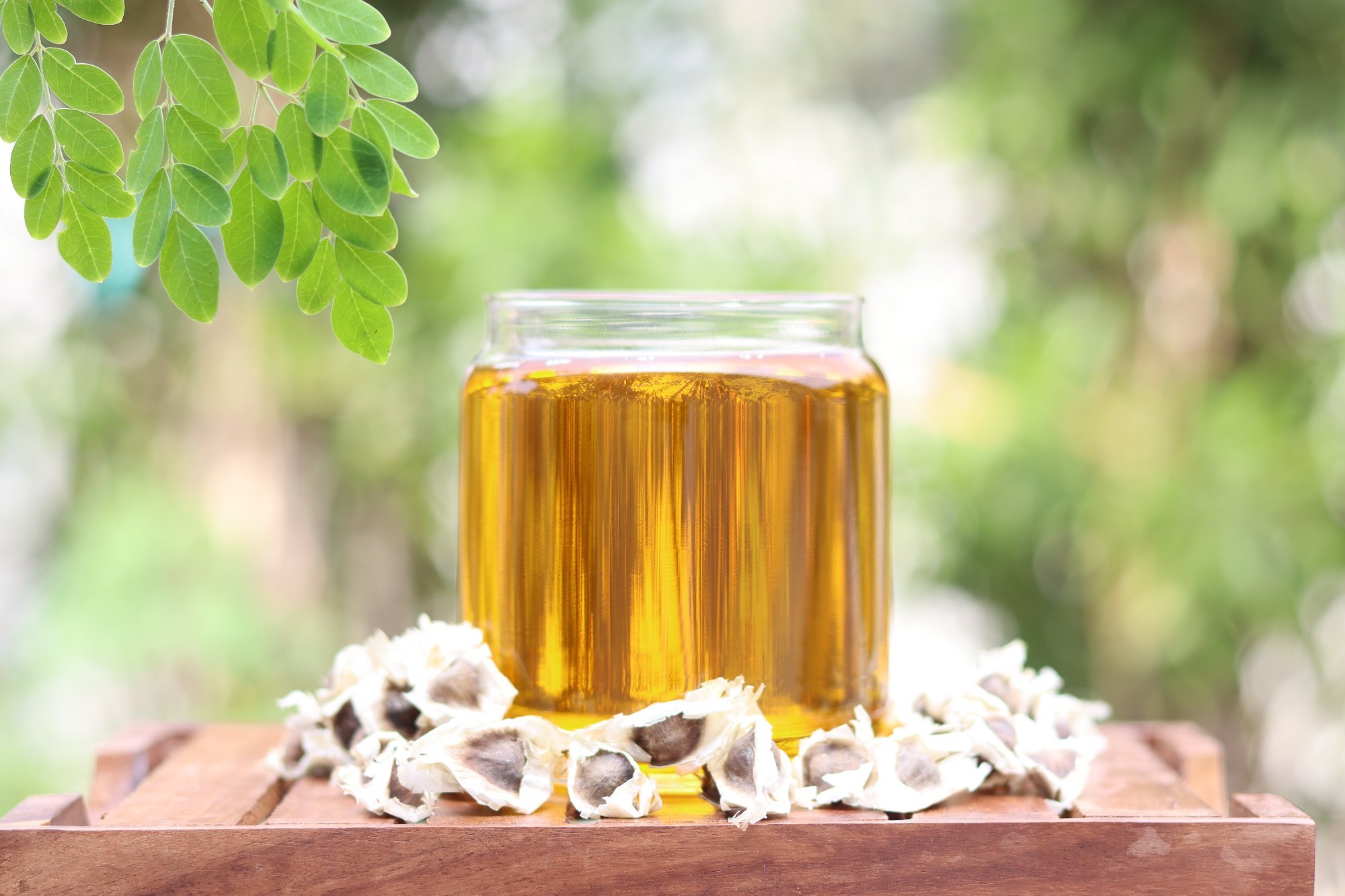
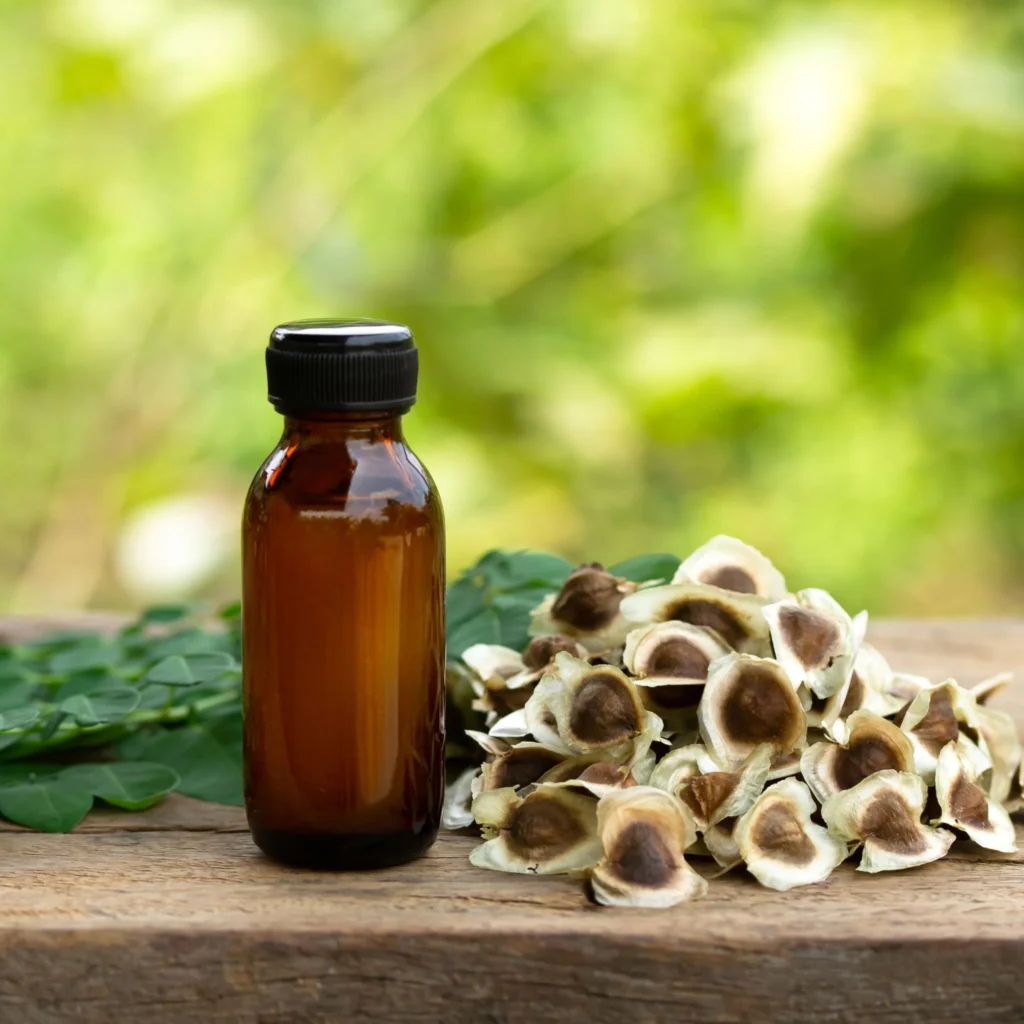
Moringa Infused Oil is a herbal oil preparation made by soaking the leaves, flowers, or seeds of Moringa oleifera in a carrier oil such as olive oil, coconut oil, or almond oil. Commonly known as the drumstick tree, moringa is widely valued in traditional systems of herbal medicine for its rich nutritional and therapeutic profile.The plant contains bioactive compounds including vitamins A, C, and E, essential fatty acids, flavonoids, polyphenols, and minerals like zinc and iron. When infused into oil, these nutrients gradually transfer into the carrier oil, creating a concentrated, skin- and hair-nourishing botanical extract.
FORMS:
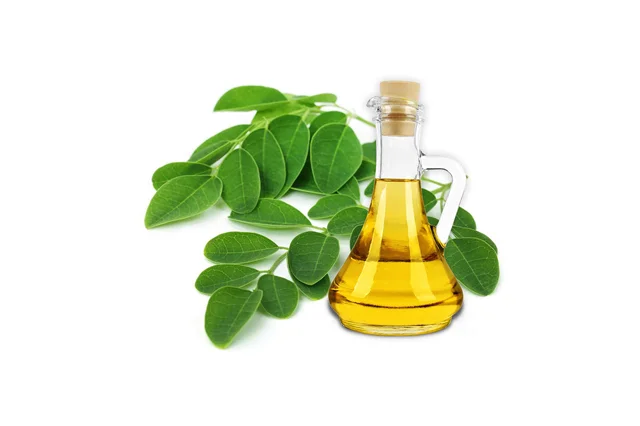
1. Leaf-Infused Oil
Prepared by infusing dried leaves of Moringa oleifera into a carrier oil.
Mild and nutrient-rich
Ideal for skincare and scalp application
Suitable for sensitive skin
2. Seed-Infused Oil
Made by infusing crushed moringa seeds into base oil.
Rich in oleic acid
More concentrated and nourishing
Often used for anti-aging skincare
3. Cold-Pressed Moringa Oil (Ben Oil)
Extracted directly from moringa seeds without infusion.
Highly stable oil
Longer shelf life
Common in premium cosmetic formulations
HEALTH BENEFIFTS:

Deep Moisturization
Rich in oleic acid and natural emollients, it:
Hydrates dry and rough skin
Restores the skin’s lipid barrier
Prevents moisture loss
Suitable for dry, mature, and dehydrated skin types.
Anti-Aging Support
Loaded with vitamins A, C, and E, it:
Neutralizes free radicals
Reduces the appearance of fine lines
Improves skin elasticity
Regular use promotes smoother, firmer-looking skin.
Antioxidant Protection
High levels of polyphenols and flavonoids help:
Protect against environmental stress
Reduce oxidative damage
Enhance natural skin radiance
Soothes Inflammation
Its natural anti-inflammatory compounds may:
Calm irritated skin
Reduce redness
Support healing of minor skin issues
Helpful for sensitive or reactive skin when properly diluted.
Supports Acne-Prone Skin
Due to mild antimicrobial properties, it may:
Help control acne-causing bacteria
Balance excess oil production
Reduce breakouts
Promotes Healthy Hair Growth
When applied to the scalp, it:
Nourishes hair follicles
Strengthens hair roots
Reduces hair fall caused by dryness
Reduces Dandruff & Scalp Dryness
Its moisturizing and antimicrobial actions help:
Relieve itchy scalp
Reduce flakiness
Improve overall scalp condition
Enhances Skin Glow
Improves blood circulation (when used for massage) and supports:
Even skin tone
Natural brightness
Smooth texture
Strengthens Nails & Cuticles
Regular application can:
Prevent brittle nails
Soften dry cuticles
Improve nail health
HOW TO USE:
1. For Face (Moisturizer or Serum)
Method:
Cleanse your face thoroughly.
Take 2–3 drops of oil.
Warm between fingertips.
Gently massage into damp skin using upward strokes.
Frequency:
Once daily (preferably at night).
Note: Perform a patch test before facial use.
2. For Hair Growth & Scalp Health
Method:
Slightly warm the oil (do not overheat).
Apply directly to the scalp.
Massage for 5–10 minutes to stimulate circulation.
Leave for 1–2 hours or overnight.
Wash with mild shampoo.
Frequency:
2–3 times per week.
3. For Dry Skin or Body Massage
Method:
Apply after shower while skin is slightly damp.
Massage gently until fully absorbed.
Benefits:
Locks in moisture and improves skin softness.
4. For Dandruff
Method:
Mix moringa infused oil with a few drops of tea tree oil (optional).
Massage into scalp.
Leave for 1 hour before washing.
Frequency:
Twice weekly.
5. For Nails & Cuticles
Method:
Apply 1–2 drops on each nail.
Massage into nail beds and cuticles.
Frequency:
3–4 times per week.
6. As a Carrier Oil
Moringa infused oil can be blended with essential oils (like lavender or rosemary) for enhanced benefits in aromatherapy or massage applications.