



INTRODUCTION:
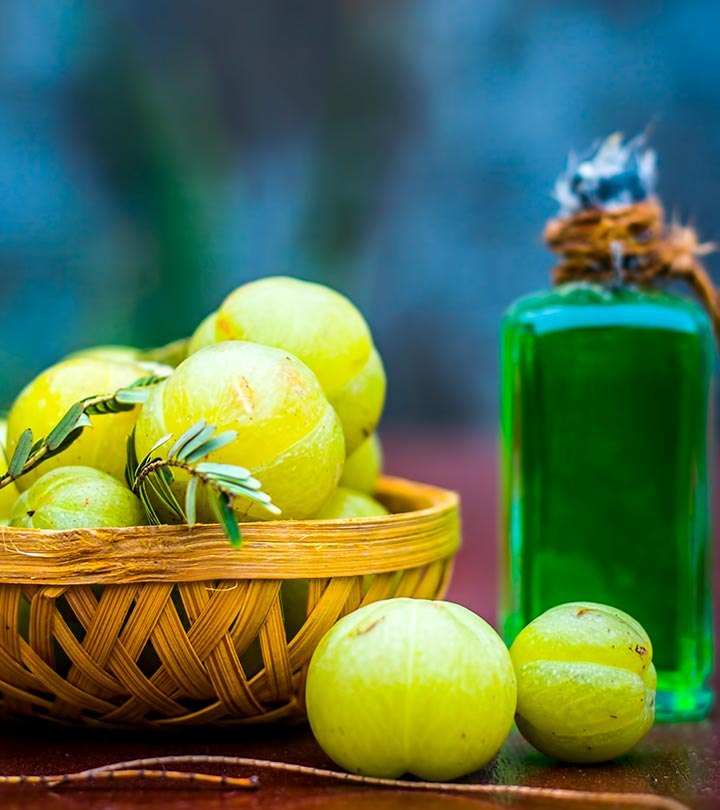
Amla Oil is a traditional herbal oil prepared from the fruit of the Indian gooseberry, scientifically known as Phyllanthus emblica. In Ayurvedic medicine, it is commonly referred to as Amla and is highly valued for its potent rejuvenating (Rasayana) properties.Amla Oil is typically made by infusing dried or fresh amla fruit into a carrier oil such as coconut oil, sesame oil, or mineral oil. The fruit is naturally rich in vitamin C, tannins, flavonoids, and powerful antioxidants, which contribute to its therapeutic and cosmetic benefits.
FORMS:
1. Infused Amla Oil
Prepared by soaking dried or fresh fruit of Phyllanthus emblica in a carrier oil such as coconut or sesame oil. This is the traditional Ayurvedic method and is widely used for scalp massage and hair nourishment.
2. Cold-Pressed Amla Oil
Extracted without heat to preserve maximum phytonutrients and antioxidants. This form is considered more potent and suitable for therapeutic applications.
3. Concentrated Amla Extract Oil
Contains a higher concentration of amla extract blended into base oils. Often used in commercial hair care products for enhanced efficacy.
4. Herbal Blend Amla Oil
Combined with other herbs such as bhringraj, brahmi, or neem for synergistic effects in hair growth and scalp treatment. Commonly formulated in Ayurvedic preparations.
HEALTH BENEFITS:

1. Promotes Hair Growth
Amla Oil helps stimulate hair follicles and improve blood circulation in the scalp, which may support healthy and consistent hair growth.
2. Strengthens Hair Roots
Rich phytonutrients nourish the hair shaft and roots, reducing hair breakage and improving overall hair strength.
3. Reduces Hair Fall
Its antioxidant and anti-inflammatory properties help protect hair follicles from oxidative stress, a common factor in hair thinning and shedding.
4. Prevents Premature Graying
Traditionally believed to slow down early graying by supporting melanin production and nourishing the scalp.
5. Controls Dandruff
Amla Oil has mild antimicrobial and soothing properties that may help reduce scalp dryness, itching, and flaking.
6. Improves Scalp Health
It hydrates and balances the scalp, reducing irritation and supporting a healthier environment for hair growth.
7. Adds Shine and Smoothness
Regular application enhances hair texture, making it softer, shinier, and more manageable.
8. Provides Cooling Effect
In Ayurvedic practice, amla is considered cooling in nature, helping to calm scalp heat and stress-related hair issues.
HOW TO USE:
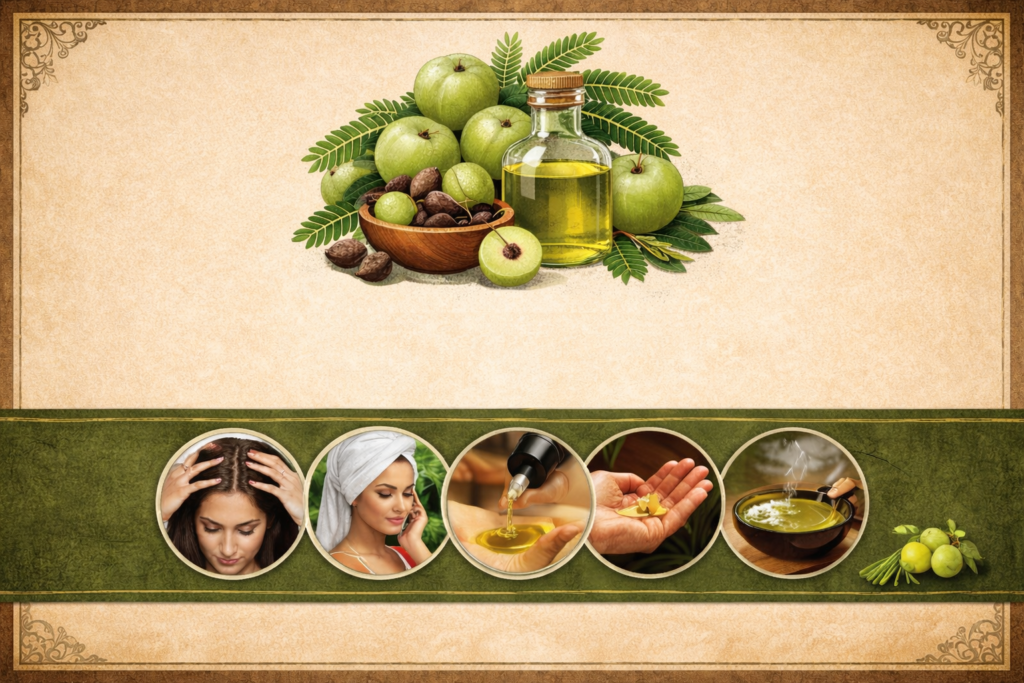
1. Scalp Massage (Primary Method)
Purpose: Promote hair growth and strengthen roots
Slightly warm the oil (lukewarm, not hot).
Apply directly to the scalp using fingertips.
Massage gently in circular motions for 5–10 minutes to stimulate microcirculation.
Leave it on for at least 1–2 hours, preferably overnight.
Wash with a mild herbal or sulfate-free shampoo.
Frequency: 2–3 times per week.
2. Deep Conditioning Treatment
Purpose: Repair dry, damaged, or frizzy hair
Apply oil from roots to ends.
Cover hair with a warm towel or shower cap.
Leave for 30–60 minutes.
Rinse thoroughly.
Frequency: Once weekly.
3. Anti-Dandruff Application
Purpose: Reduce scalp flaking and irritation
Mix Amla Oil with a few drops of tea tree oil (optional).
Apply to scalp only.
Leave for 1 hour before washing.
Frequency: Twice weekly until improvement.
4. Pre-Shampoo Treatment
Purpose: Protect hair from shampoo-related dryness
Apply a light layer 30 minutes before washing.
Shampoo as usual.
5. Hot Oil Therapy
Purpose: Intensive scalp nourishment
Warm oil using a double boiler method.
Massage into scalp and hair.
Wrap with a warm towel for 20–30 minutes.
Wash thoroughly.