



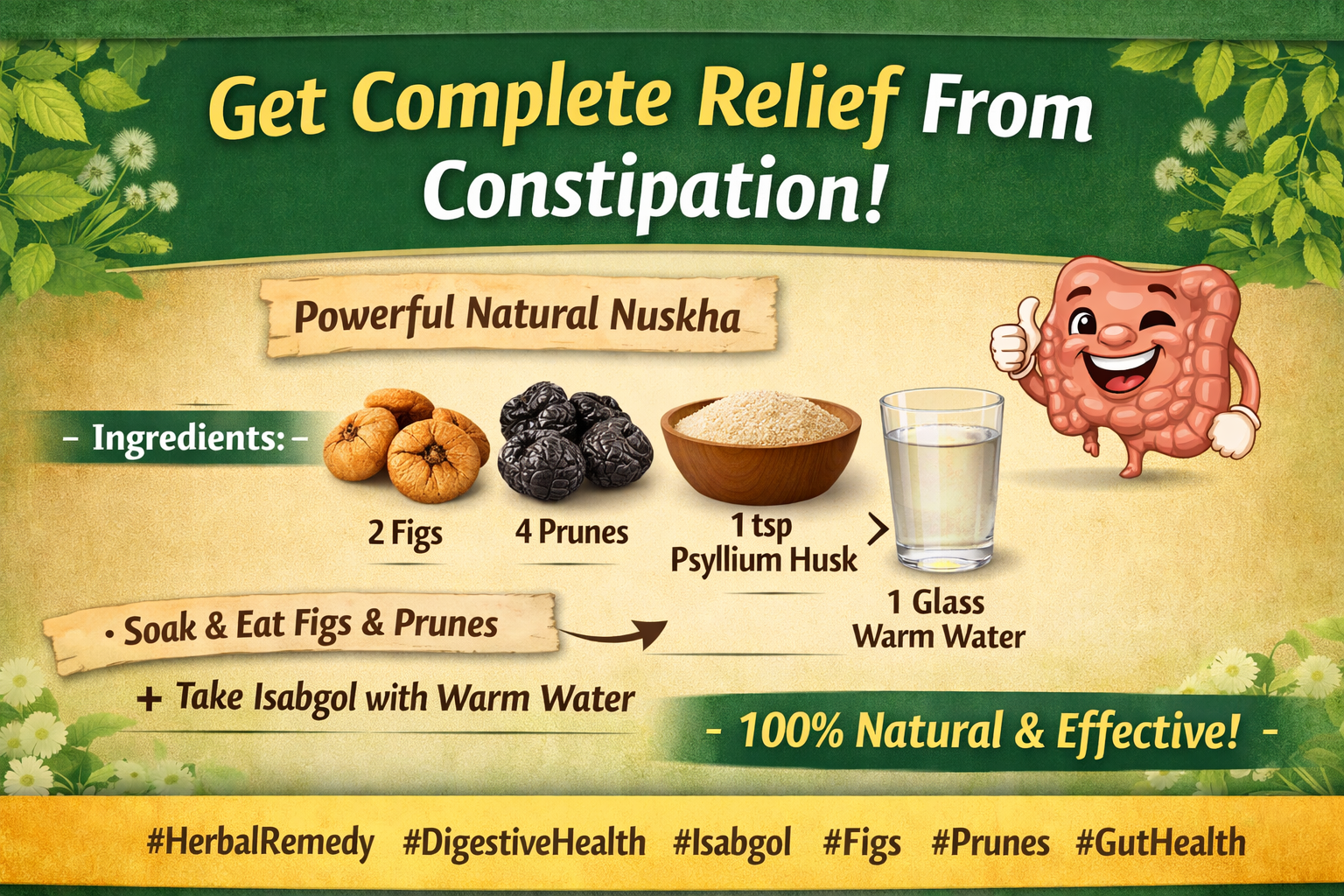
Introduction:
Constipation is a common digestive condition in which a person has difficulty passing stools or experiences infrequent bowel movements. It is typically defined as having fewer than three bowel movements per week, often accompanied by hard, dry, or painful stools. This condition can affect people of all ages, but it is more common in older adults, women, and individuals with a sedentary lifestyle.
CAUSE:
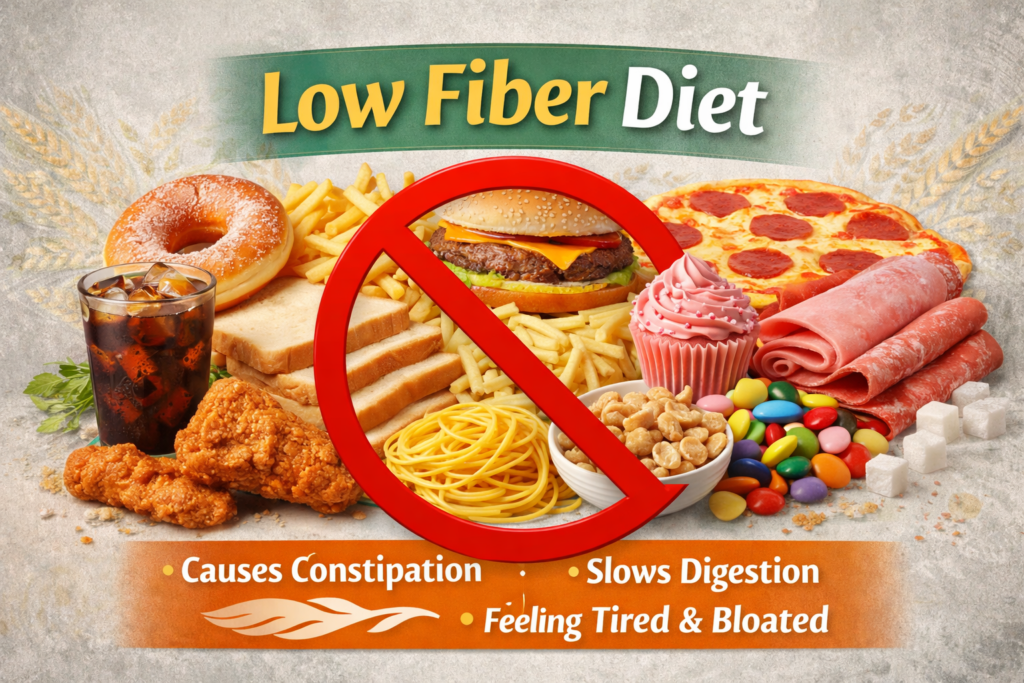
1. Low-Fiber Diet
A diet lacking in fiber (such as fruits, vegetables, and whole grains) can slow down digestion and make stools hard and difficult to pass.
2. Inadequate Water Intake
Not drinking enough water leads to dehydration, which causes the body to absorb more water from the stool, making it dry and hard.
3. Lack of Physical Activity
A sedentary lifestyle reduces intestinal movement, slowing down the passage of stool.
4. Ignoring the Urge to Go
Regularly delaying bowel movements can make stool harder and more difficult to pass over time.
5. Changes in Routine
Travel, changes in diet, or daily schedule disruptions can affect normal bowel habits.
6. Medications

Certain medications such as painkillers, iron supplements, antacids, and antidepressants can cause constipation as a side effect.
7. Stress and Mental Health Issues
Anxiety and stress can disrupt normal digestion and bowel function.
8. Hormonal Changes
Conditions like pregnancy or hormonal imbalances can slow down digestion.
9. Medical Conditions
Some diseases such as Irritable Bowel Syndrome, Diabetes, and Hypothyroidism can lead to chronic constipation.
10. Aging
As people age, metabolism and digestive activity may slow down, increasing the risk of constipation.
TREATMENT OF CONSTIPATION:
1. Psyllium Husk (Isabgol)
A rich source of dietary fiber that helps soften stool and promote easy bowel movements.
How to use: Take 1–2 teaspoons with warm water or milk before bedtime.
2. Senna Leaves
A natural laxative that stimulates intestinal movement.
How to use: Boil senna leaves in water and drink as tea.
Use in moderation; avoid long-term use.
3. Flax Seeds
High in fiber and healthy fats, which help relieve constipation naturally.
How to use: Take 1 tablespoon daily with water or mix into yogurt.
4. Figs
Rich in natural fiber, they help improve digestion.
How to use: Soak 2–3 dried figs overnight and eat them in the morning.
5. Prunes
Known as a natural laxative due to their sorbitol content.
How to use: Eat 4–5 prunes daily or drink prune juice.
6. Ginger
Stimulates digestion and reduces bloating.
How to use: Drink ginger tea regularly.
7. Turmeric
Has anti-inflammatory properties that support digestive health.
How to use: Add turmeric to warm milk or food.
8. Olive Oil
Lubricates the intestines and helps stool pass easily.
How to use: Take 1 tablespoon on an empty stomach in the morning.
9. Mint
Soothes the digestive system and improves bowel function.
How to use: Drink mint tea.
10. Warm Water with Honey
A simple and effective natural remedy.
How to use: Drink a glass of warm water with 1 teaspoon of honey in the morning.
HERBAL NUSKHA:
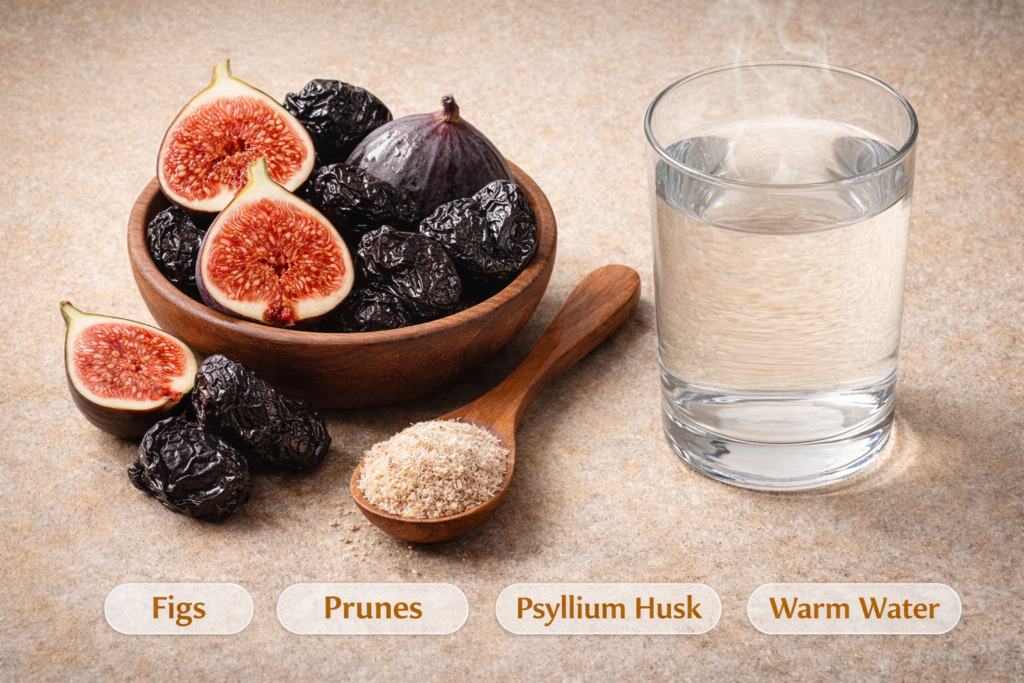
Ingredients:
2 pieces Figs
4 pieces Prunes
1 teaspoon Psyllium Husk (Isabgol)
1 glass warm water
Preparation:
Soak figs and prunes in a glass of water overnight.
In the morning, eat the soaked figs and prunes on an empty stomach.After that, take 1 teaspoon of psyllium husk with warm water.
How to Use:
Use daily for 5–7 days for best results
Drink plenty of water throughout the day
Benefits:
Softens stool naturally
Improves bowel movement
Cleans intestines
Reduces bloating and discomfort