



Introduction:
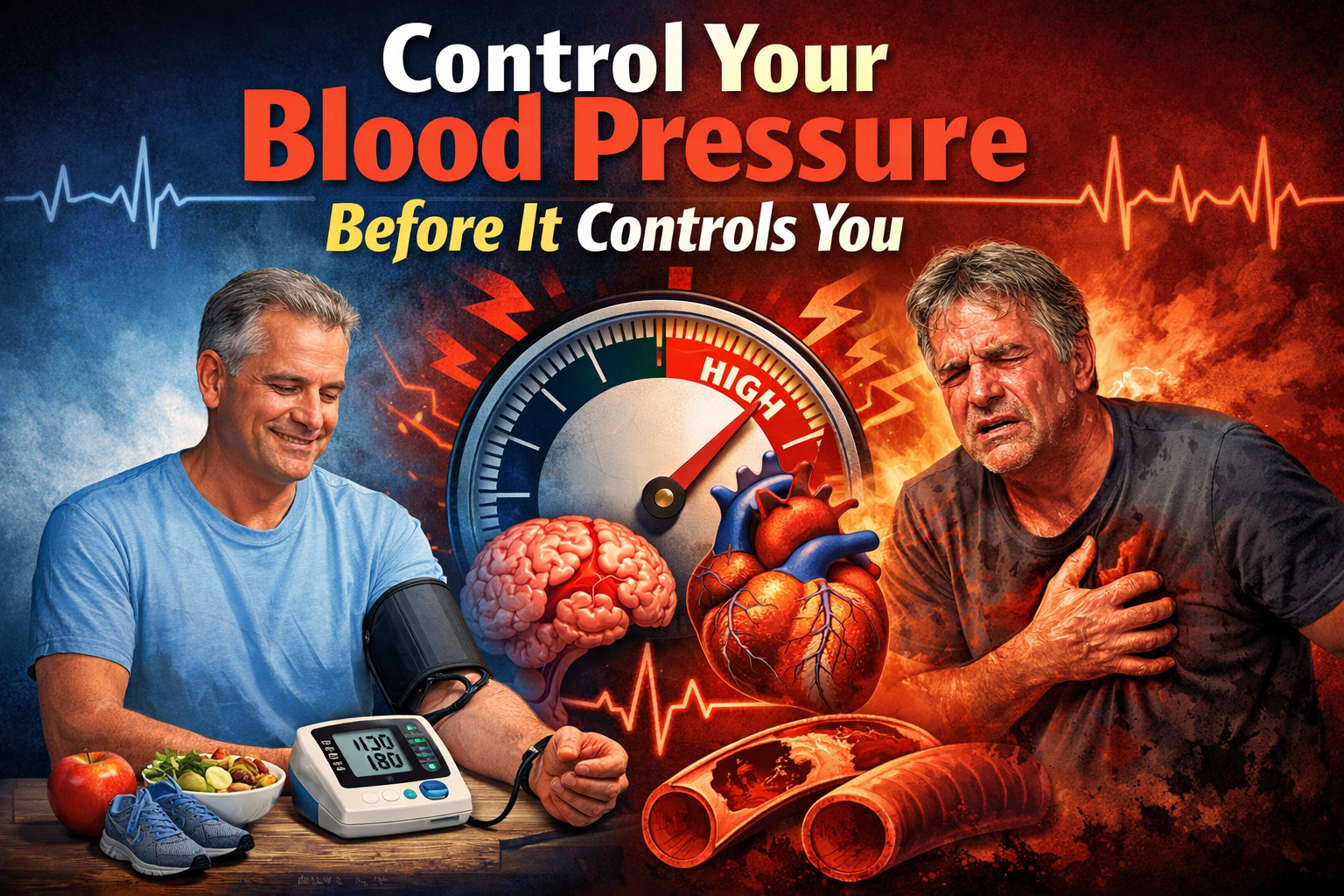
High blood pressure, medically known as Hypertension, is one of the most common yet silent health conditions affecting millions of people worldwide. It is often called the “silent killer” because it usually develops without noticeable symptoms but can lead to serious health complications if left unmanaged.When blood pressure remains consistently high, it puts extra strain on the heart and blood vessels. Over time, this can increase the risk of life-threatening conditions such as Heart Disease, Stroke, and Kidney Disease. The alarming part is that many people are unaware they have high blood pressure until complications arise.
CAUSE:
1. Unhealthy Diet
A diet high in salt (sodium), processed foods, saturated fats, and low in fruits and vegetables can raise blood pressure. Excess sodium causes water retention, increasing pressure on blood vessels.
2. Lack of Physical Activity
A sedentary lifestyle weakens the heart and reduces blood circulation efficiency, making it harder to maintain normal blood pressure levels.
3. Stress and Anxiety
Chronic stress can lead to temporary increases in blood pressure. Over time, stress-related habits such as overeating, smoking, or poor sleep can worsen the condition.
4. Obesity and Overweight
Being overweight increases the workload on the heart, forcing it to pump harder, which raises blood pressure.
5. Smoking and Alcohol
Smoking damages blood vessels and raises blood pressure immediately. Excessive alcohol intake can also lead to long-term hypertension.
6. Genetics and Family History
If close family members have Hypertension, the risk increases due to inherited factors.
7. Age and Hormonal Changes
As people age, blood vessels become less flexible, increasing the risk of high blood pressure. Hormonal changes, especially in women, can also contribute.
8. Underlying Health Conditions
Certain conditions like Diabetes, Kidney Disease, and thyroid disorders can increase the risk of developing hypertension.
9. Poor Sleep and Sleep Disorders
Lack of proper sleep or disorders such as Sleep Apnea can negatively affect blood pressure levels.
10. Excess Caffeine Intake
High consumption of caffeine may cause temporary spikes in blood pressure, especially in sensitive individuals.
SYMPTOMS:
1. Headaches
Frequent or severe headaches, particularly in the morning, can be a sign of elevated blood pressure.
2. Dizziness or Lightheadedness
Feeling dizzy or unbalanced may occur when blood pressure levels rise suddenly.
3. Shortness of Breath
Difficulty in breathing or feeling breathless during simple activities may indicate that the heart is under strain.
4. Chest Pain
Chest discomfort or tightness can be a serious symptom and may be linked to Heart Disease.
5. Blurred Vision
High blood pressure can damage the blood vessels in the eyes, leading to vision problems.
6. Nosebleeds
Frequent nosebleeds (Epistaxis) may occur in people with very high blood pressure.
7. Fatigue or Confusion
Constant tiredness, lack of focus, or confusion may be linked to reduced oxygen supply to the brain.
8. Irregular Heartbeat
An abnormal or fast heartbeat can sometimes be associated with uncontrolled hypertension.
9. Blood in Urine
In severe cases, high blood pressure may affect the kidneys, leading to blood in urine, which is related to Kidney Disease.
10. Flushing (Redness of Face)
Some people may notice facial redness or a feeling of heat in the face.
Herbal Medicines to Control Blood Pressure Naturally
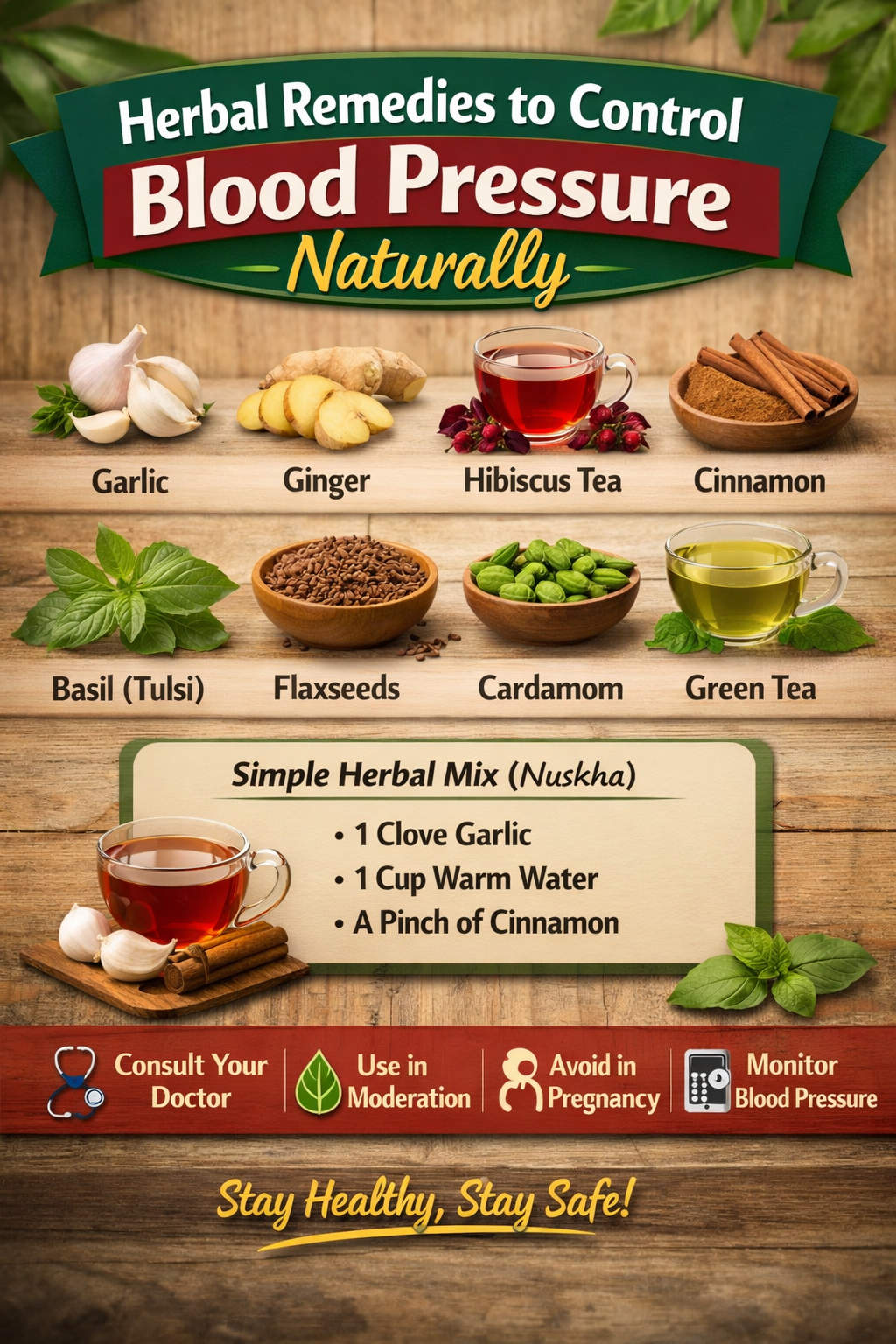
Managing Hypertension with herbal remedies can be effective when combined with a healthy lifestyle. These natural options help relax blood vessels, improve circulation, and support heart health.
1. Garlic (Lehsun)
Garlic is well-known for its ability to lower blood pressure by improving blood flow and relaxing blood vessels.
How to use:
Eat 1–2 raw garlic cloves daily on an empty stomach or add to meals.
2. Ginger (Adrak)
Ginger helps improve circulation and reduces pressure on blood vessels.
How to use:
Drink ginger tea once or twice daily.
3. Hibiscus Tea
Hibiscus is rich in antioxidants and can help reduce both systolic and diastolic blood pressure.
How to use:
Drink 1–2 cups of hibiscus tea daily.
4. Cinnamon (Darchini)
Cinnamon helps relax blood vessels and supports heart health.
How to use:
Take ½ teaspoon cinnamon powder in warm water or tea daily.
5. Basil (Tulsi)
Tulsi reduces stress and supports healthy blood circulation.
How to use:
Chew 4–5 fresh leaves or drink tulsi tea.
6. Flaxseeds (Alsi)
Flaxseeds are rich in omega-3 fatty acids, which help lower blood pressure.
How to use:
Take 1 tablespoon of ground flaxseeds daily.
7. Cardamom (Elaichi)
Cardamom acts as a natural diuretic and helps regulate blood pressure.
How to use:
Add crushed cardamom to tea or warm water.
8. Green Tea
Green tea contains antioxidants that improve heart health and help control blood pressure.
How to use:
Drink 1–2 cups daily.
Simple Herbal Mix (Nuskha)
1 clove garlic (crushed)
1 cup warm water
A pinch of cinnamon
Use: Drink once daily in the morning.
Precautions
Do not stop prescribed medicines without medical advice
Use herbs in moderate amounts
Pregnant women should consult a doctor before use
Regularly monitor your blood pressure