




Polycystic Ovary Syndrome (PCOS) is one of the most common hormonal disorders affecting women of reproductive age worldwide. It occurs when there is an imbalance in reproductive hormones, which disrupts the normal functioning of the ovaries. As a result, the ovaries may not release eggs regularly, leading to irregular menstrual cycles and difficulties with fertility.PCOS is often called a “silent condition” because its symptoms can develop gradually and vary from person to person. Some women may experience noticeable signs such as weight gain, acne, and excessive hair growth, while others may remain unaware of the condition until they face challenges in getting pregnant.
SYMPTOMS:
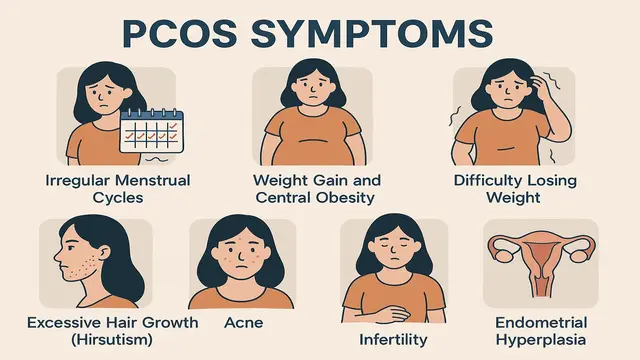
Common Symptoms
Irregular periods – missed, delayed, or very light/heavy menstrual cycles
Excess hair growth (Hirsutism) – especially on the face, chest, or back
Acne and oily skin – often persistent and difficult to treat
Weight gain – especially around the abdomen
Thinning hair – hair loss or male-pattern baldness
Reproductive Symptoms
Difficulty getting pregnant (infertility)
Irregular ovulation or no ovulation
Multiple small cysts in the ovaries
Hormonal & Metabolic Symptoms
Dark patches of skin (especially on neck, armpits)
Skin tags (small extra skin growths)
Mood changes (anxiety or depression)
CAUSE:
1. Hormonal Imbalance
One of the main causes of PCOS is an imbalance in hormones.
The body produces higher levels of androgens (male hormones)
This can prevent the ovaries from releasing eggs properly (ovulation problem)
2. Insulin Resistance
Many women with PCOS have insulin resistance, meaning the body cannot use insulin effectively
This leads to increased insulin levels, which can trigger the ovaries to produce more male hormones
It also increases the risk of Type 2 Diabetes
3. Genetics (Hereditary Factor)
PCOS often runs in families
If your mother or sister has PCOS, your chances of having it are higher
4. Inflammation
Low-grade (chronic) inflammation in the body may stimulate the ovaries to produce excess androgens
This contributes to symptoms like irregular periods and acne
5. Lifestyle Factors
Unhealthy diet
Lack of physical activity
Obesity or excess weight
These factors do not directly cause PCOS but can worsen the condition.
HERBAL PRODUCTS FOR PCOS:
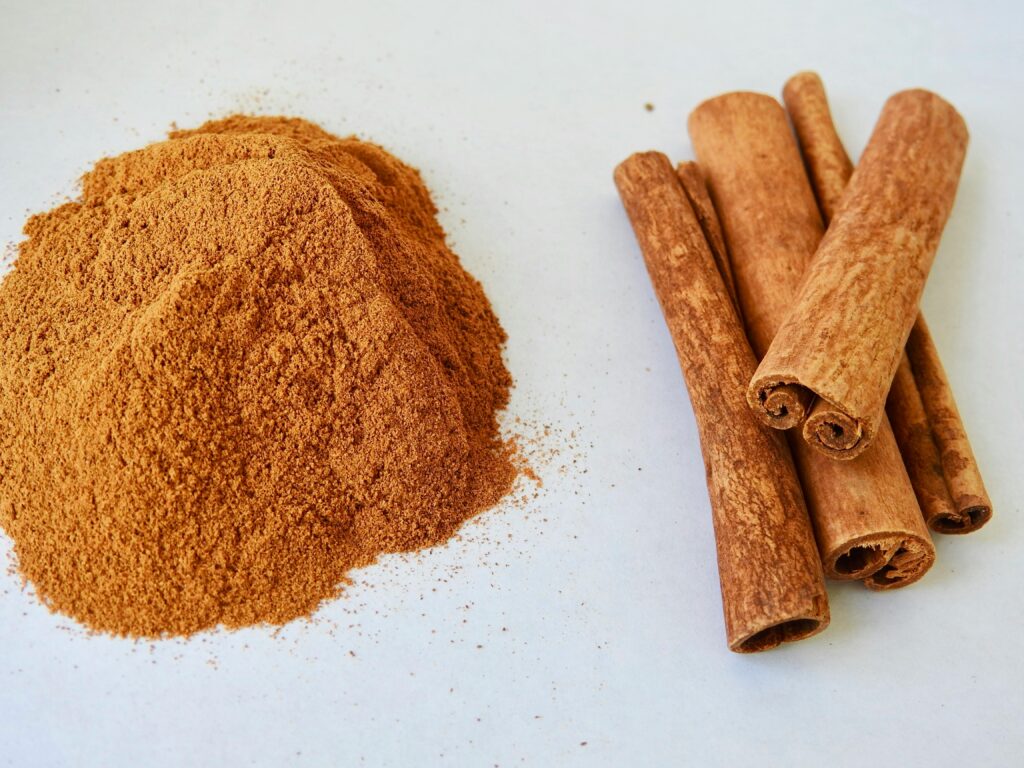
Cinnamon (Dalchini)
Helps improve insulin sensitivity
May regulate menstrual cycles
How to use:
Add ½ teaspoon cinnamon powder in warm water or tea daily
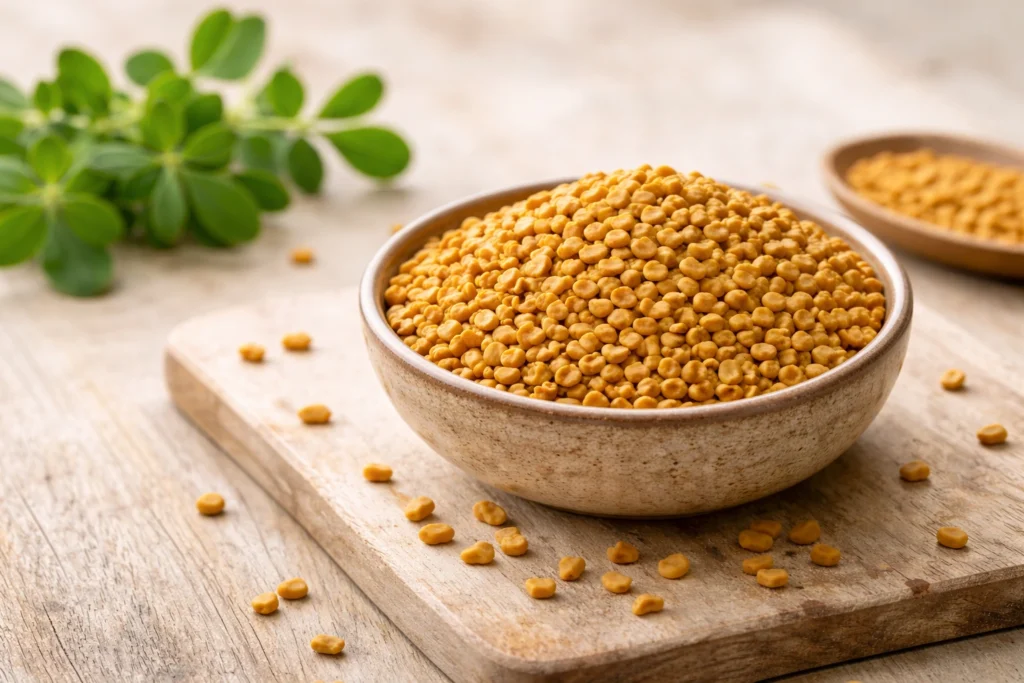
Fenugreek (Methi)
Helps control blood sugar levels
Supports hormone balance
How to use:
Soak 1 teaspoon seeds overnight and drink the water in the morning
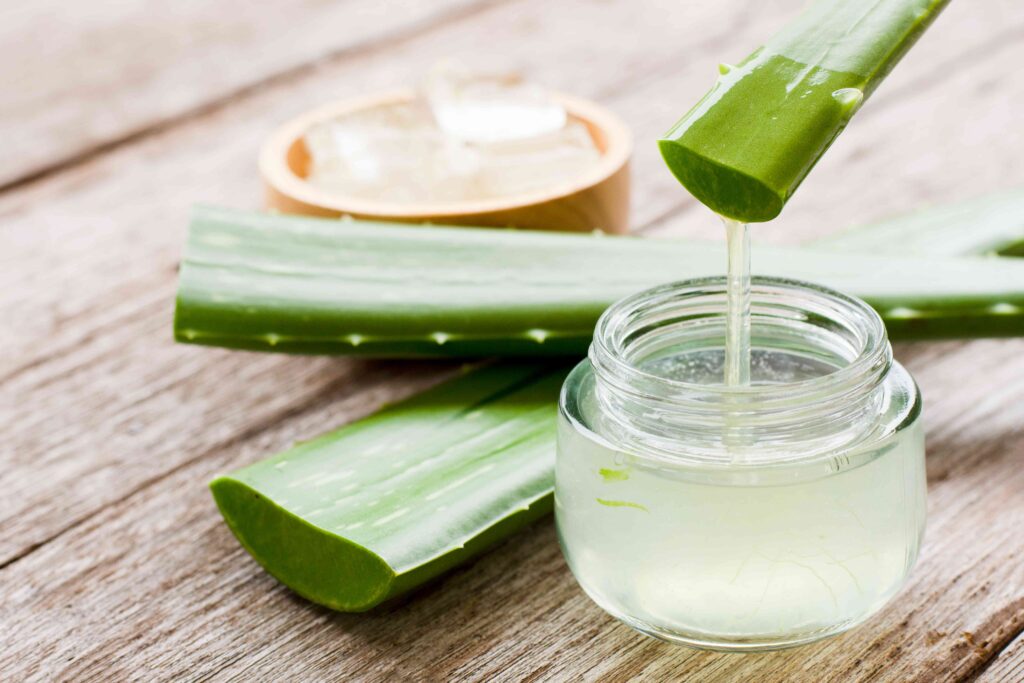
Aloe Vera
Helps regulate metabolism
Supports hormonal balance
How to use:
Take 1–2 tablespoons fresh aloe vera juice on an empty stomach
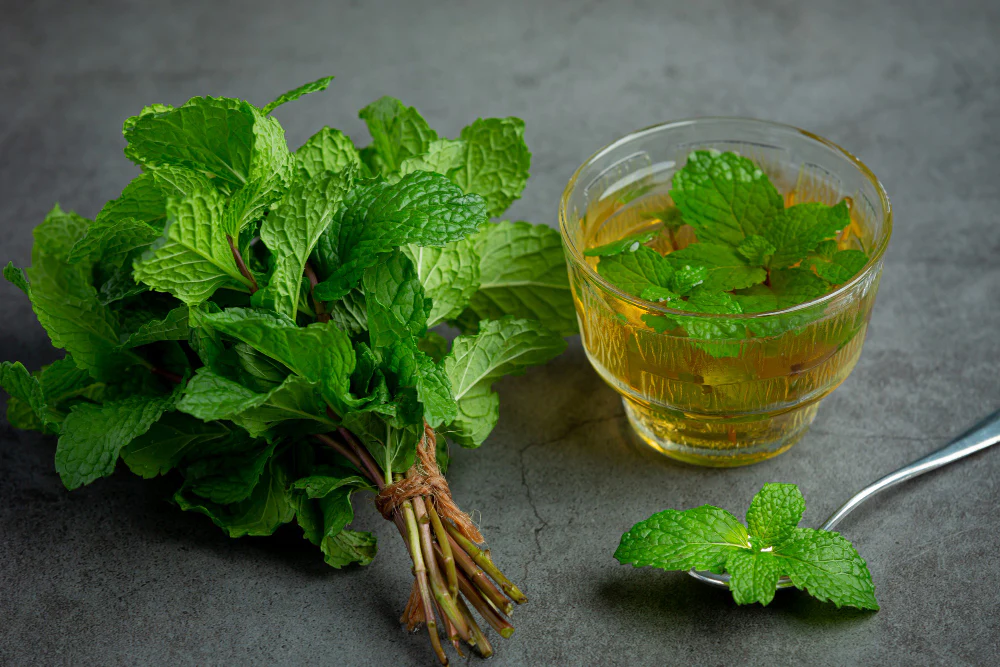
Spearmint Tea (Podina)
Reduces excess male hormones (androgens)
Helps with unwanted hair growth
How to use:
Drink 1–2 cups daily
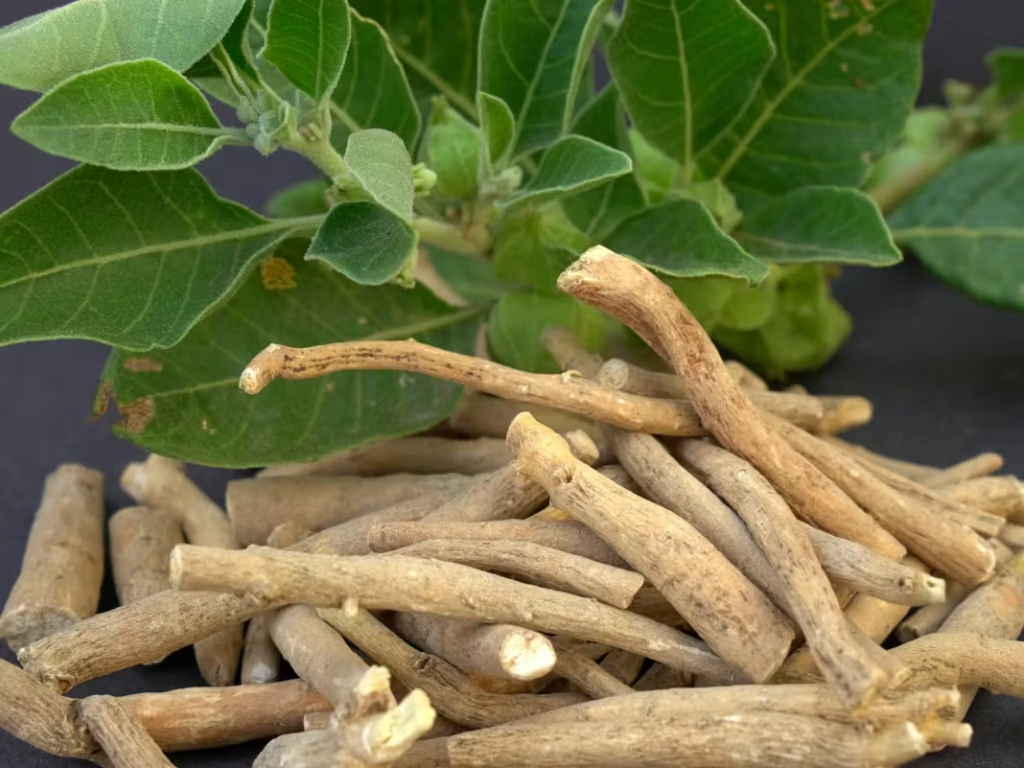
Ashwagandha
Reduces stress and balances hormones
Improves overall reproductive health
How to use:
Take as powder or capsule (consult a doctor for dosage)
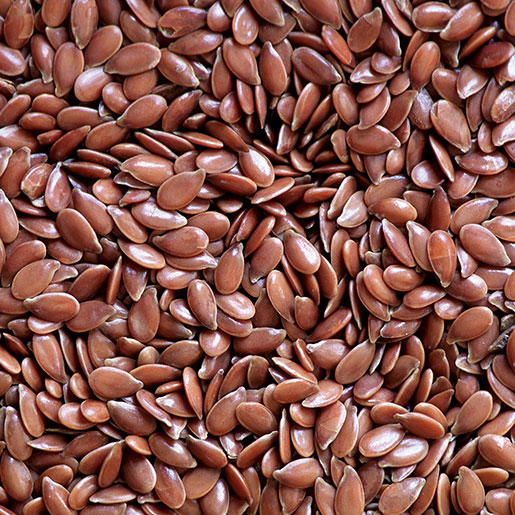
Flaxseeds (Alsi)
Rich in omega-3 and fiber
Helps reduce androgen levels
How to use:
Add 1 tablespoon ground flaxseeds to your diet daily
HERABL MEDICINE FOR PCOS:
1. Fenugreek Water (Methi Water)
Benefits: Helps balance hormones and regulate periods
How to use:
Soak 1 teaspoon fenugreek seeds in water overnight
Drink the water in the morning on an empty stomach and chew the seeds
2. Cinnamon Tea
Benefits: Improves insulin sensitivity and helps control blood sugar
How to use:
Add ½ teaspoon cinnamon powder to warm water or tea daily
3. Aloe Vera Juice
Benefits: Supports metabolism and hormonal balance
How to use:
Take 1–2 tablespoons fresh aloe vera juice on an empty stomach
4. Spearmint Tea
Benefits: Reduces excess male hormones (androgens) and helps with unwanted hair growth
How to use:
Drink 1–2 cups daily
Flaxseeds (Alsi)
Benefits: Helps in weight management and reduces androgen levels
How to use:
Take 1 tablespoon ground flaxseeds daily with yogurt or water
6. Turmeric Milk
Benefits: Reduces inflammation and supports hormonal health
How to use:
Mix ½ teaspoon turmeric in warm milk and drink at night
Important Tips
These remedies work slowly but naturally, so consistency is key
Always combine with a healthy diet and regular exercise
Consult a doctor if you are taking medications or have severe symptoms