



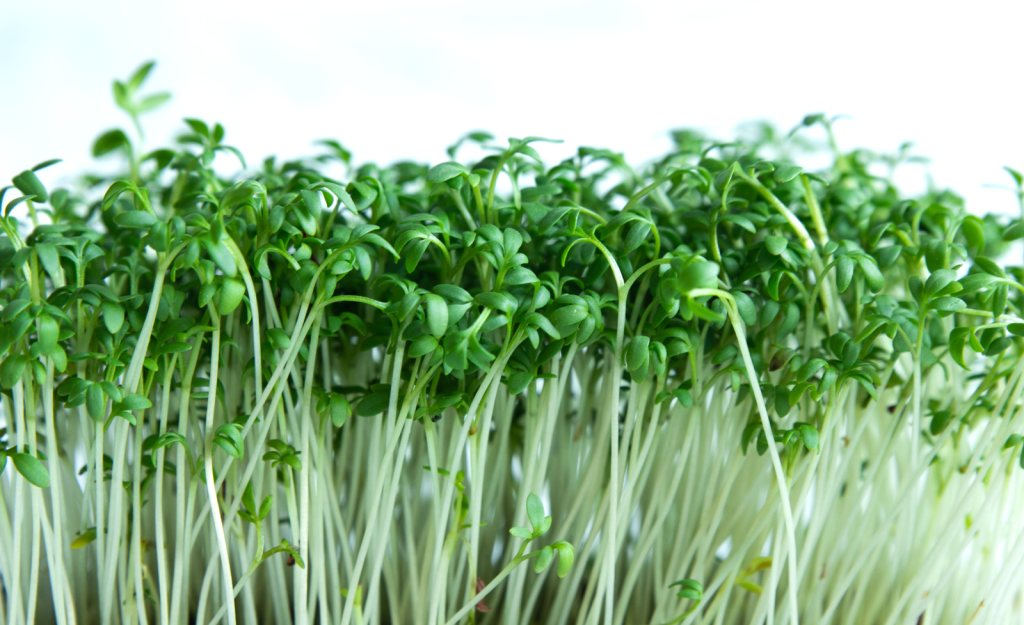
INTRODUCTION
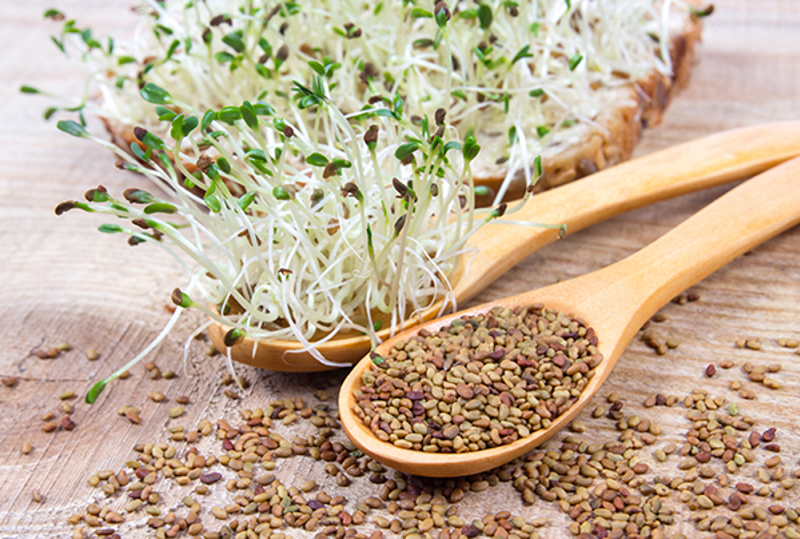
Scientific name: Medicago sativa
Common name: Alfalfa, also called lucerne in some countries
Family: Fabaceae (the legume/pea family)
Type: Perennial flowering plant (can live multiple years)
HEALTH BENEFITS:

1. Rich in Nutrients
Vitamins: A, C, E, and K.
Minerals: Calcium, potassium, magnesium, iron.
Protein & Fiber: Supports overall nutrition and digestion.
2. Supports Digestive Health
High fiber content helps improve digestion and regular bowel movements.
May act as a gentle detoxifier, helping remove waste from the digestive system.
3. Supports Bone Health
Calcium, magnesium, and vitamin K are essential for strong bones.
Could help maintain bone density and reduce risk of bone-related issues.
4. Contains Antioxidants
Alfalfa has flavonoids and saponins which may protect cells from oxidative stress.
Antioxidants help reduce cell damage and may support overall health.
5. Supports Heart Health
Cholesterol-lowering effect: Some studies suggest alfalfa may help reduce LDL (“bad”) cholesterol.
Fiber in alfalfa also supports healthy blood sugar levels.
6. Traditional Uses
In herbal medicine, alfalfa has been used for:
Supporting kidney and liver function
Boosting energy and immunity
Reducing mild inflammation
May Help with Blood Sugar Control
Some research suggests that alfalfa can help stabilize blood sugar levels.
The fiber and certain compounds in alfalfa slow sugar absorption, which can be helpful for maintaining steady energy.
8. Supports Immune System
Alfalfa contains vitamins, minerals, and antioxidants that can help the immune system function better.
It may help the body fight infections and inflammation more efficiently.
HOW TO USE:
Sprouts:
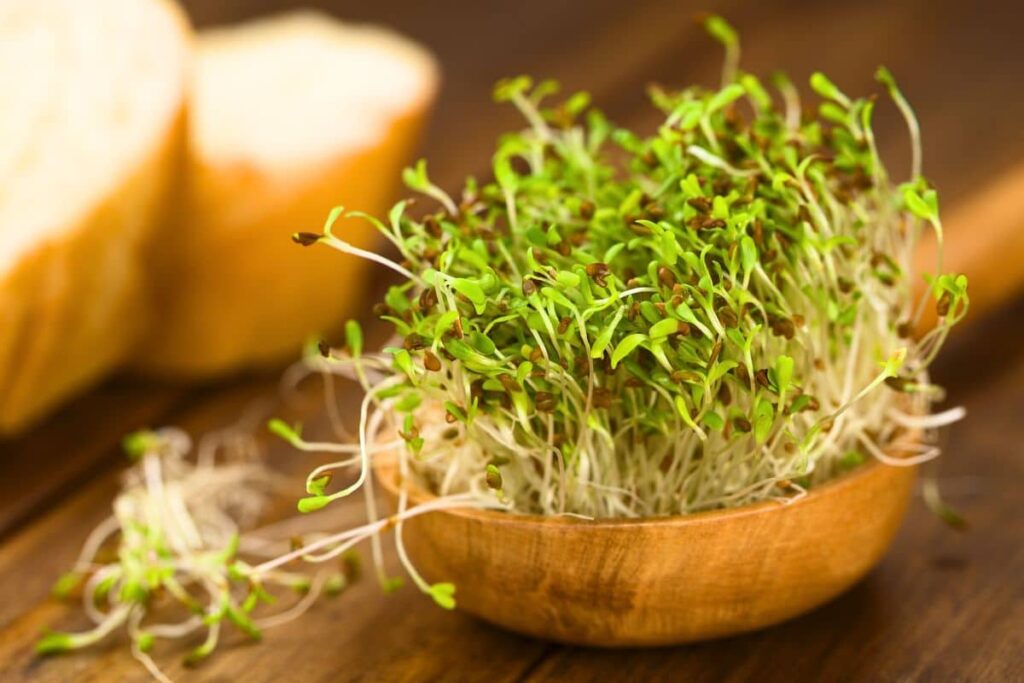
The most common food form, used as a crunchy garnish for salads, sandwiches, soups, and summer rolls.
Herbal Tea:
Made by steeping about 1 teaspoon (or 20 mg) of dried leaves or roots in 500 mL of boiling water for 5 minutes.
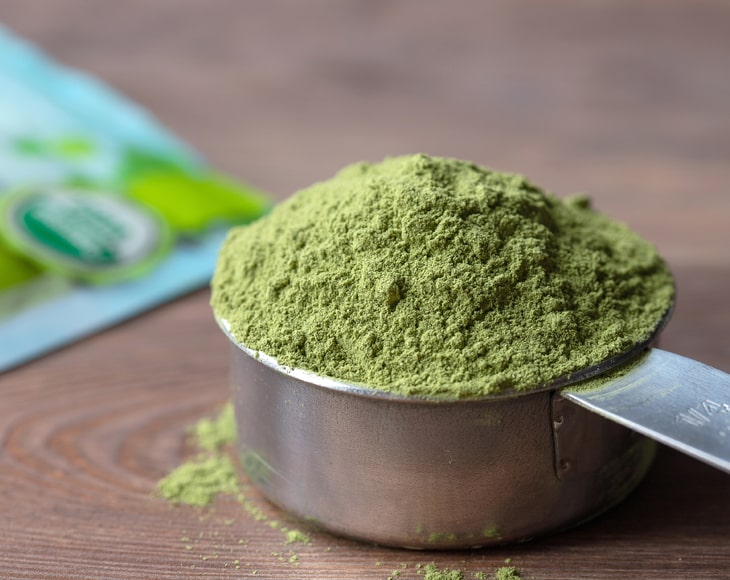
Powders & Supplements:
Available as capsules (400–650 mg), tablets, or loose powder. Powder can be stirred into smoothies, juices, or sprinkled on food.
Juice:
Fresh alfalfa sprouts can be juiced but should be diluted with other juices (like carrot or apple) due to their strong flavor.
Timing:
For wellness purposes, it is often consumed early in the day on an empty stomach to maximize absorption.
This Article is for Basic Information. Contact a professional doctor before using it.
HAKEEM KARAMAT ULLAH