



INTRODUCTION:
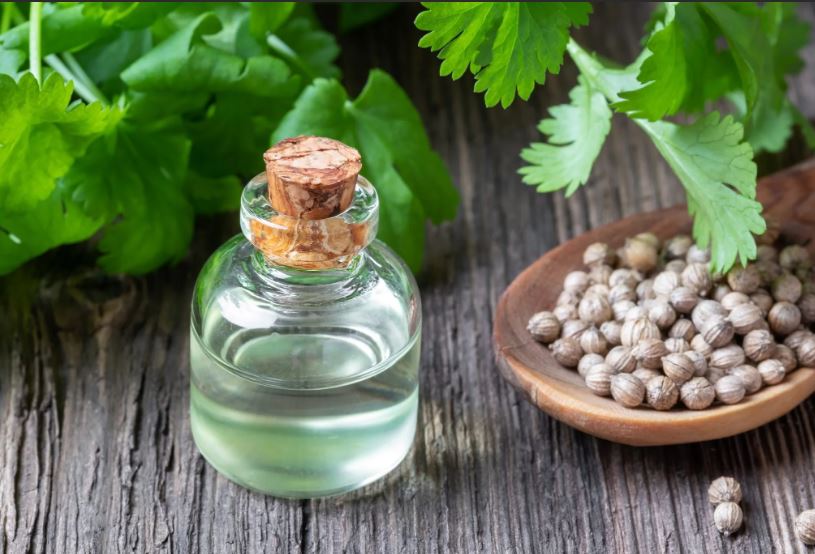
Coriander oil is an essential oil extracted via steam distillation from the dried seeds (Coriandrum sativum), distinct from cilantro oil, which is derived from the leaves. Known for its warm, woody, and slightly sweet citrus aroma, this oil is a rich source of linalool, making it a popular, soothing choice in aromatherapy for stress relief. It offers potent anti-inflammatory, antimicrobial, and digestive support benefits, commonly used in skincare to promote a clear complexion, for soothing sore muscles, and in culinary applications.
FORMS:
Coriander Seed Essential Oil:
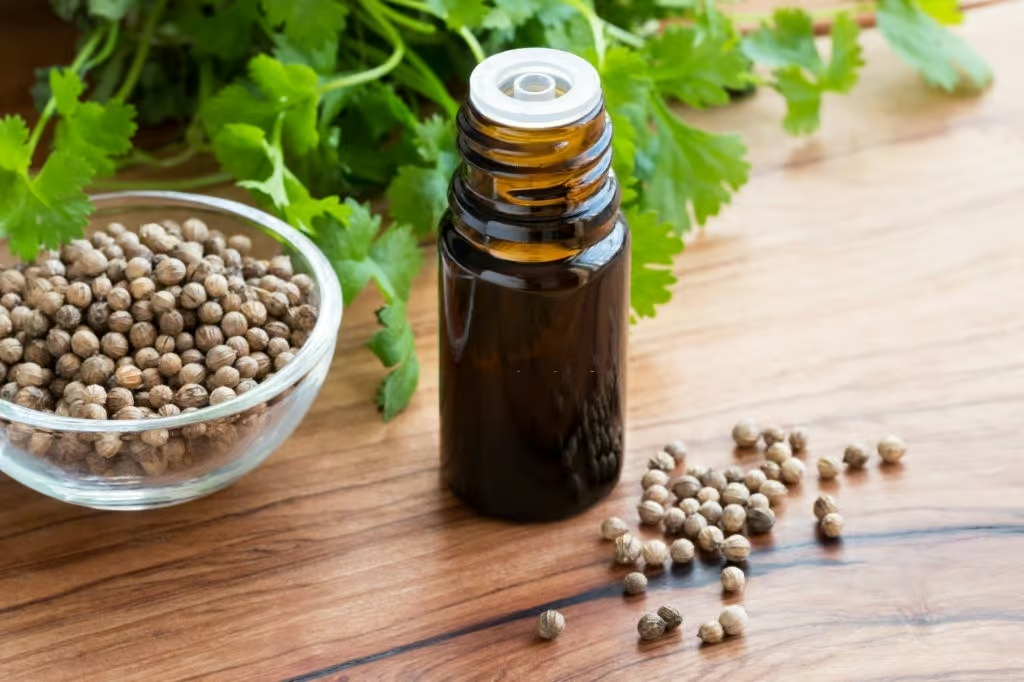
The most common form, steam-distilled from dried Coriandrum sativum seeds. It is a colorless to pale yellow liquid with a sweet, spicy, and woody aroma, often used in perfumes and for digestive support.
Cilantro/Leaf Essential Oil:
Extracted from the fresh leaves or stems, this form has a much more pungent, grassy, or unpleasant odor due to high levels of aliphatic aldehydes.
Cold-Pressed Seed Oil:
Extracted mechanically from the seeds, often retaining different compounds than the distilled version.
Organic Coriander Essential Oil:
Certified organic versions, often sourced from specific regions like the French countryside.
HEALTH BENEFITS:

Antioxidant Properties
Coriander seed oil is a potent source of antioxidants, helping combat free radicals and oxidative stress. This may support overall cellular health, reduce UV-induced skin damage, and contribute to anti-aging effects (e.g., reducing wrinkles or promoting even skin tone).
Anti-Inflammatory Effects
It exhibits anti-inflammatory activity, potentially easing swelling in joints and muscles, soothing sore areas, and supporting conditions involving inflammation. Some studies highlight its role in modulating inflammatory pathways, with topical applications showing promise for sensitive or reactive skin (e.g., reducing redness and itching from stressors like pollution or UV exposure).
Skin Health and Cleansing
Thanks to its cleansing and toning properties, coriander oil is popular in skincare. It may promote a clear, healthy complexion, help maintain clean-looking skin, and offer protective effects against environmental stressors. Clinical trials have shown oral supplementation (e.g., 200 mg daily of coriander seed oil) can reduce skin reactivity and erythema in people with sensitive skin.
Digestive Support
Traditionally used to aid digestion, the oil may help relieve indigestion, flatulence, upset stomach, and promote healthy gut function. It’s sometimes added to foods for flavor while supporting digestive comfort.
Antibacterial and Antimicrobial Activity
The oil demonstrates antibacterial effects against certain pathogens (including foodborne and hospital-related bacteria), which may help fight infections or serve as a natural preservative. It can also act as a deodorant by inhibiting odor-causing bacteria in the mouth or on the body.
Stress Reduction and Relaxation (Aromatherapy)
With its high linalool content, diffusing or inhaling coriander oil can promote relaxation, reduce stress and anxiety, and create an uplifting atmosphere. It’s often used in massages for a soothing experience.
Other Potential Benefits
Pain Relief — May ease muscle aches, arthritis discomfort, or minor pains due to improved circulation and anti-inflammatory effects.
Blood Sugar and Metabolic Support — Some research links coriander extracts/oils to lowering blood sugar and supporting metabolic health (e.g., against diabetes or obesity), though more human studies are needed.
Mood and Libido — Traditionally considered an aphrodisiac, with some uses for boosting libido or emotional well-being.
HOW TO USE:
For Digestive Support
Use: Relieves bloating, gas, and indigestion
Mix 1–2 drops of coriander essential oil with 1 teaspoon of carrier oil (such as coconut or olive oil).
Gently massage on the abdomen in circular motions.
Use 1–2 times daily as needed.
Do not ingest essential oil unless supervised by a qualified healthcare professional.
For Joint & Muscle Pain
Use: Helps reduce inflammation and stiffness
Mix 3–4 drops with 1 tablespoon carrier oil.
Massage onto sore joints or muscles.
Can be used after exercise or before bedtime.
For Skin Care
Use: Helps acne-prone and irritated skin
Add 1 drop to your regular moisturizer or 1 teaspoon carrier oil.
Apply to affected area.
Always perform a patch test before full use.
For Hair & Scalp Health
Use: Promotes scalp circulation and reduces dandruff
Add 3 drops to 2 tablespoons warm coconut oil.
Massage into scalp.
Leave for 30–60 minutes before washing.
In Aromatherapy
Use: Reduces stress and mental fatigue
Add 3–5 drops to a diffuser.
Diffuse for 20–30 minutes in a well-ventilated room.
For Natural Antibacterial Cleaning
Add 10–15 drops to water and white vinegar.
Use as a natural surface cleaner.