



INTRODUCTION:
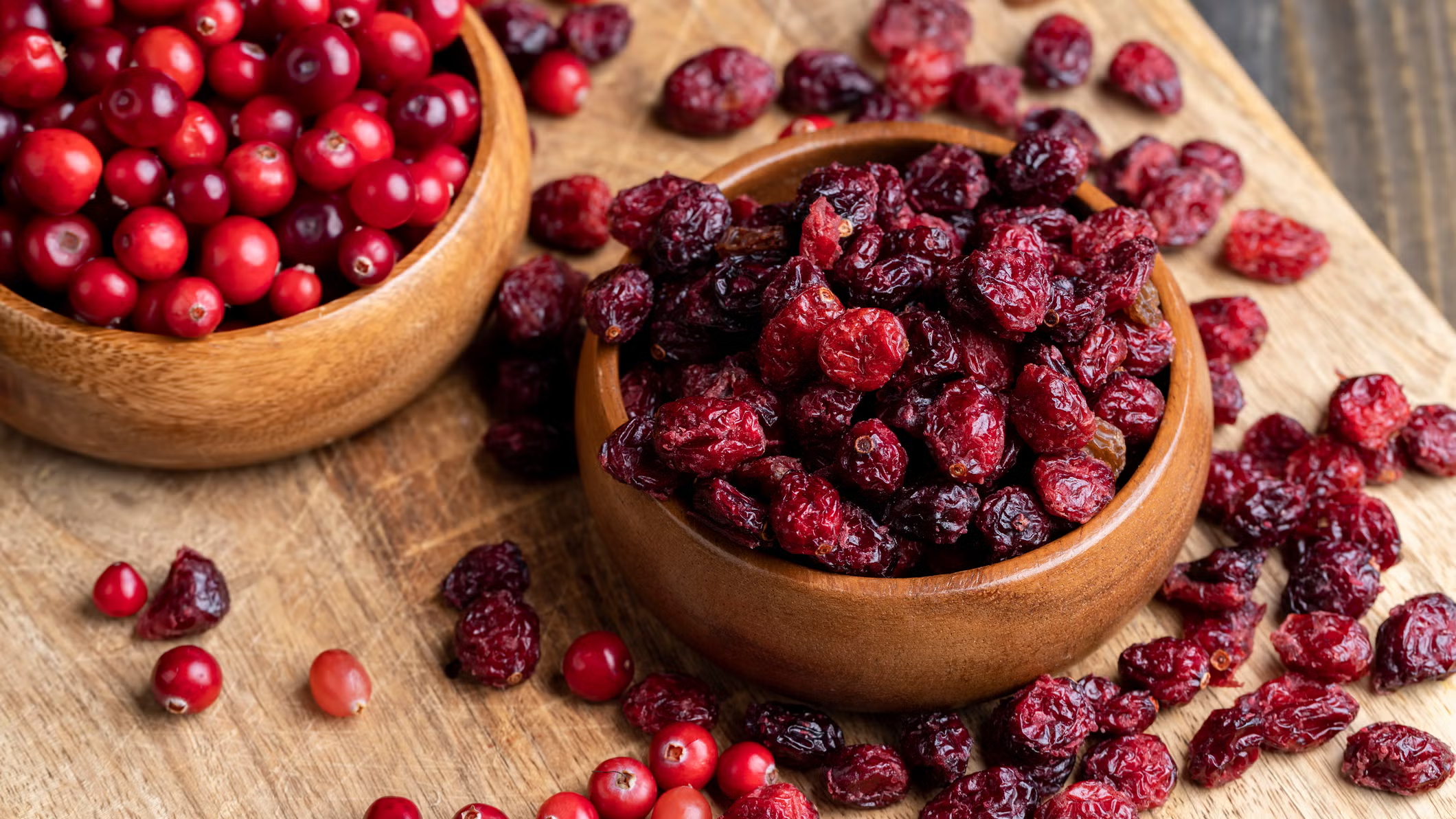
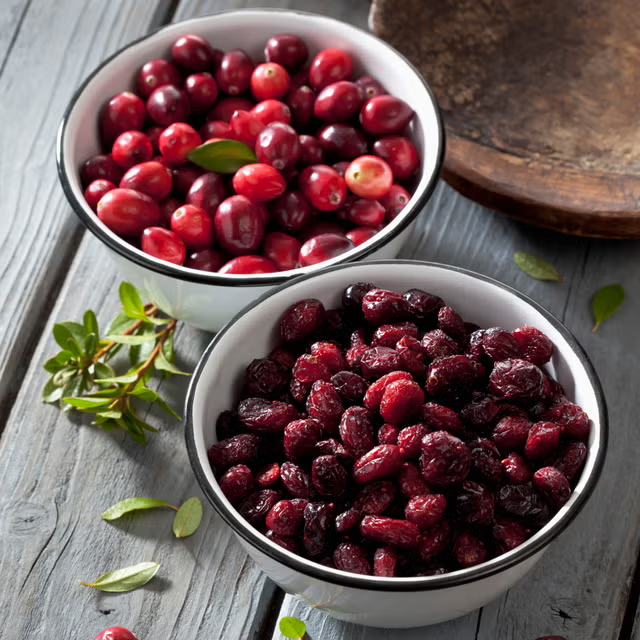
Cranberries are small, bright red berries known for their tart flavor and impressive health benefits. They grow on low, trailing vines in cool climates, especially in North America, and are often harvested in the fall. Cranberries are widely used in juices, sauces, dried snacks, and traditional dishes, particularly during festive seasons. Rich in vitamins, antioxidants, and natural compounds that support urinary tract health, cranberries are valued both as a nutritious food and as an important agricultural crop.
English: Cranberry
Urdu: کرین بیری
Hindi: करौंदा / क्रैनबेरी
Spanish: Arándano rojo
French: Canneberge
German: Moosbeere
Italian: Mirtillo rosso americano
Portuguese: Oxicoco
Russian: Клюква (Klyukva)
Chinese (Mandarin): 蔓越莓 (Màn yuè méi)
Japanese: クランベリー
Korean: 크랜베리
Arabic: التوت البري الأحمر

HEALTH BENEFITS:
Supports urinary tract health
Cranberries contain natural compounds (called proanthocyanidins) that may help prevent certain bacteria from sticking to the urinary tract.
Rich in antioxidants
They are high in antioxidants, which help protect cells from damage caused by free radicals.
Supports heart health
Cranberries may help improve cholesterol balance and support healthy blood pressure when eaten regularly.
Boosts immune system
They provide vitamin C and other nutrients that help the body fight infections.
Aids digestion
Cranberries contain fiber that supports healthy digestion and gut function.
Supports oral health
Some compounds in cranberries may help reduce bacteria that cause tooth decay and gum disease.
Low in calories, high in nutrients
They’re a nutrient-dense fruit, especially when eaten fresh or dried with little added sugar.
SIDE EFFECTS:

Added sugar concerns
Many cranberry juices and dried cranberries contain a lot of added sugar, which can contribute to:
Weight gain
Tooth decay
Blood sugar spikes
Allergic reactions (rare)
Some people may experience mild allergy symptoms like itching or swelling.
HOW TO USE:
1. Eat them fresh or dried
- Add fresh cranberries to salads or yogurt
- Use dried cranberries as a snack or mix into cereal
- Choose low-sugar or unsweetened dried cranberries when possible

2. Drink cranberry juice
- Use 100% cranberry juice (not cranberry-flavored drinks)
- You can dilute it with water to reduce acidity and sour taste
- ½–1 cup a day is enough
3. Cook with cranberries
- Make cranberry sauce (use less sugar)
- Add to oatmeal, rice, or baked foods
- Use in smoothies with fruits like banana or apple
4. Cranberry tea
- Boil fresh or dried cranberries in water
- Strain and drink warm or cold
- You can add honey for taste
5. Cranberry supplements (with caution)
- Only use supplements if recommended by a healthcare professional
- Whole cranberries or juice are usually better for teens
Best tips
- Use cranberries in moderation
- Drink plenty of water
- Avoid products with too much added sugar