




Introduction:
Sexual dysfunction is a medical condition characterized by persistent difficulty during any phase of the sexual response cycle—desire, arousal, orgasm, or resolution—that prevents an individual from experiencing satisfactory sexual activity. It can affect both men and women and may arise from physical factors such as hormonal imbalance, diabetes, cardiovascular disease, or medication side effects, as well as psychological factors including stress, anxiety, depression, or relationship problems. Lifestyle habits like smoking, alcohol use, and obesity can also contribute. Because sexual dysfunction may sometimes indicate underlying systemic health issues, proper medical evaluation and timely treatment are essential for improving both sexual health and overall well-being.
Forms of Sexual Dysfunction
Sexual dysfunction can present in different forms and may affect men and women differently.
In Men:
Erectile Dysfunction (ED) – Inability to achieve or maintain an erection sufficient for sexual intercourse.
Premature Ejaculation (PE) – Ejaculation that occurs earlier than desired, often with minimal stimulation.
Delayed Ejaculation – Difficulty or inability to ejaculate despite adequate stimulation.

Low Libido – Reduced sexual desire or interest in sexual activity.
In Women:
Female Sexual Interest/Arousal Disorder – Reduced or absent sexual desire and difficulty becoming physically aroused.
Orgasmic Disorder – Delay in, infrequency of, or absence of orgasm.
Genito-Pelvic Pain/Penetration Disorder – Pain, discomfort, or difficulty during sexual intercourse.
Prevention
Preventing sexual dysfunction involves addressing modifiable risk factors and maintaining overall physical and psychological health. The following evidence-based strategies can significantly reduce the risk:
1. Maintain Cardiovascular and Metabolic Health
Since sexual function is closely linked to vascular health, controlling conditions such as diabetes, hypertension, and high cholesterol is essential. Regular medical checkups and early management of chronic diseases help prevent complications.
2. Adopt a Healthy Lifestyle
Engage in regular physical activity to improve blood circulation and hormone balance.
Maintain a healthy body weight.
Follow a balanced diet rich in fruits, vegetables, whole grains, lean proteins, and healthy fats.
Avoid smoking and limit alcohol consumption, as both impair sexual performance.
3. Manage Stress and Mental Health
Psychological factors play a major role in sexual function. Stress reduction techniques, counseling, adequate sleep, and treatment of anxiety or depression can significantly lower risk.
4. Monitor Hormonal Health
Hormonal imbalances—particularly low testosterone or thyroid disorders—should be diagnosed and treated promptly.
5. Communicate Openly with Partner
Healthy communication reduces performance anxiety and relationship-related stress, both of which contribute to dysfunction.
Herbal Medicine
Asparagus racemosus (Shatavari)
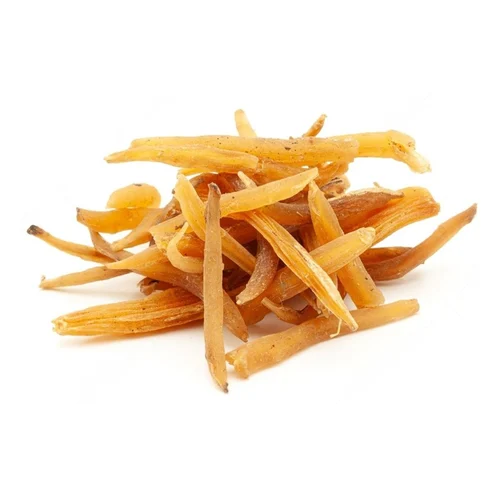
Supports hormonal balance
Enhances vitality and stamina
Strengthens the nervous system
Helps reduce stress-related fatigue
Withania somnifera (Ashwagandha)
May support healthy testosterone levels
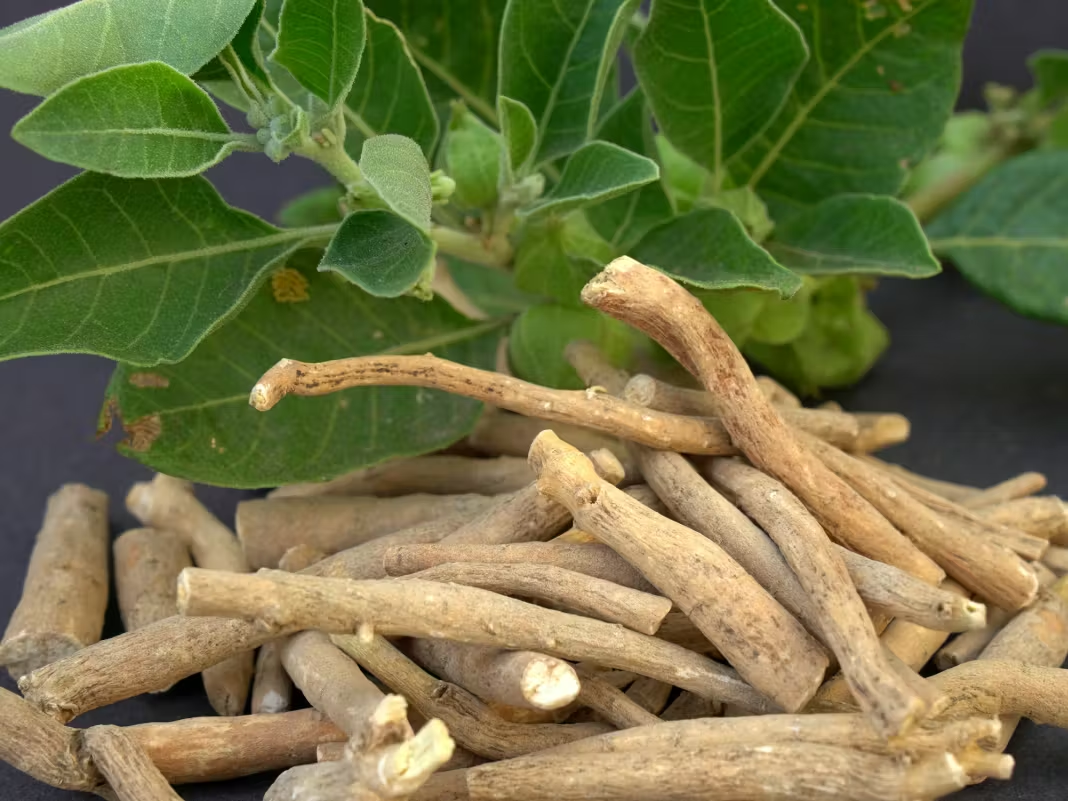
Reduces stress and anxiety
Improves muscle strength and endurance
Helps combat chronic fatigue
Chlorophytum borivilianum (Safed Musli)
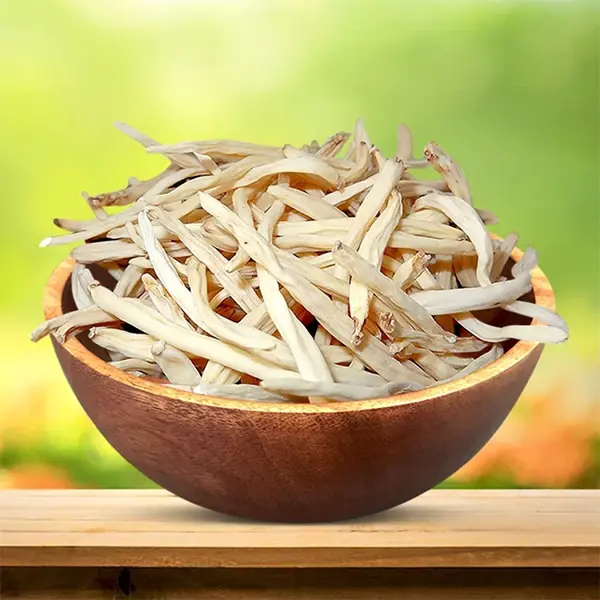
Traditionally used to enhance male vitality
May improve sperm quality
Supports physical strength
Promotes sexual performance
Reghmahi

Provides general body nourishment
Helps reduce weakness
Supports overall energy levels
Crocus sativus (Saffron)
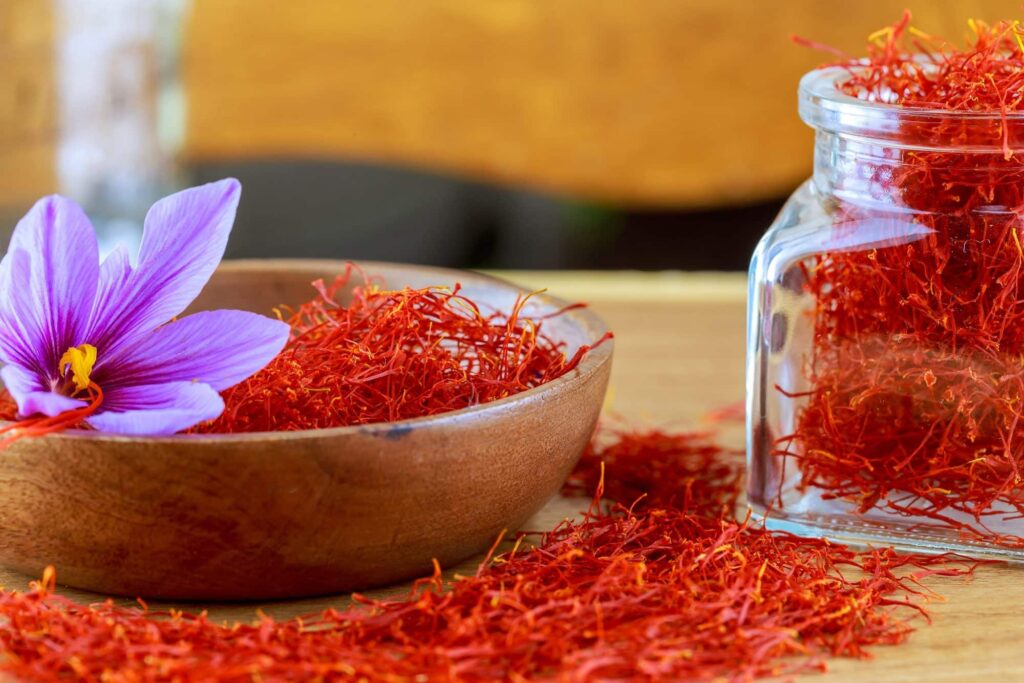
May improve mood
Supports healthy blood circulation
Enhances libido
Provides antioxidant benefits
Jund Bedaster
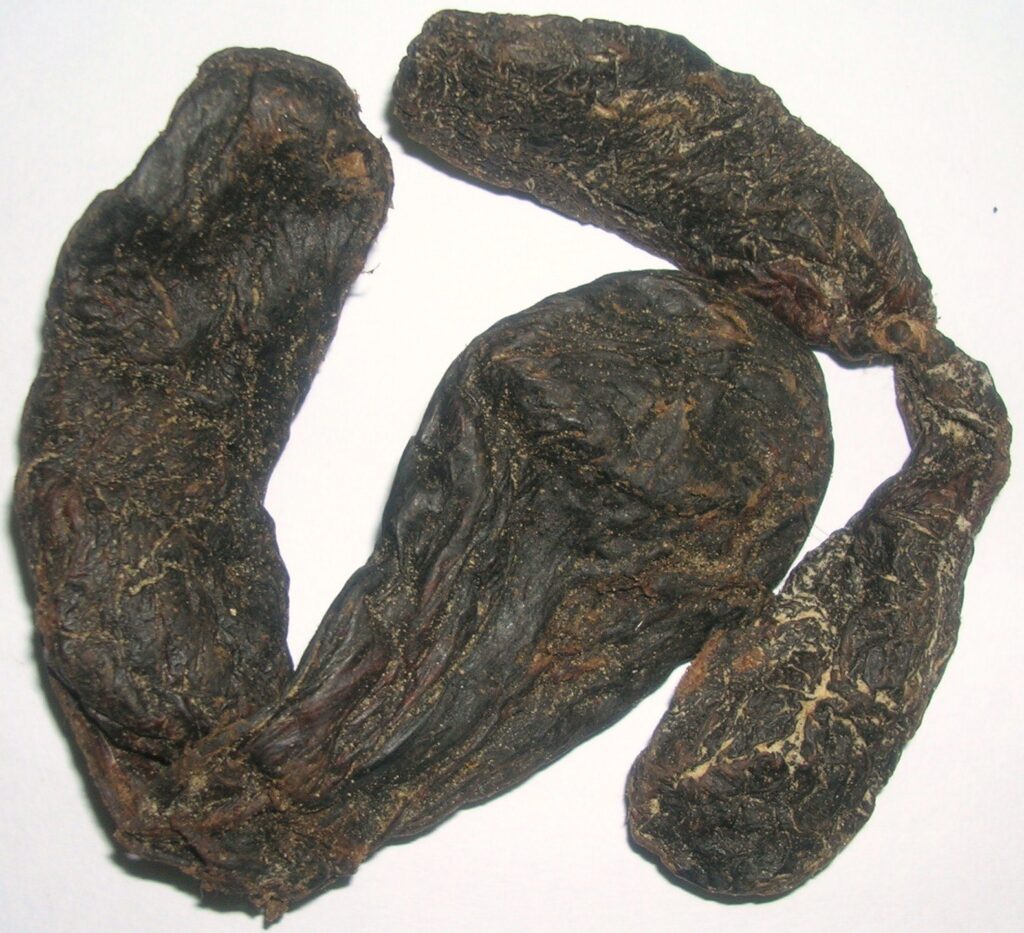
Traditionally used for nerve strength
Supports physical endurance
May help with male weakness
Saleb Panja
Enhances stamina
Supports reproductive strength
Helps improve seminal thickness (traditional claim)
Saleb Misri
Boosts overall vitality
Helps reduce physical weakness
Supports general reproductive health
Mucuna pruriens (White Kaunch)
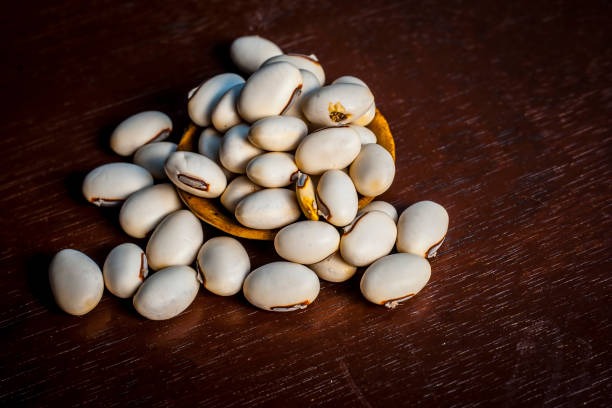
Natural source of L-DOPA
Supports sperm health
Enhances libido
Promotes nervous system support
Lepidium meyenii (Maca Root)
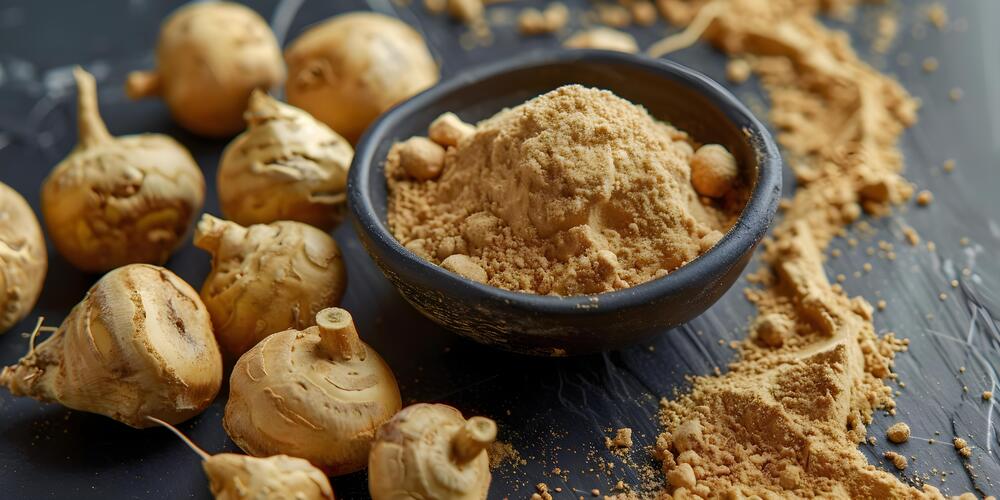
Increases sexual desire
Improves stamina and endurance
Supports energy levels
Char Gond
Provides nutritional support
Helps maintain energy
Traditionally used for strength
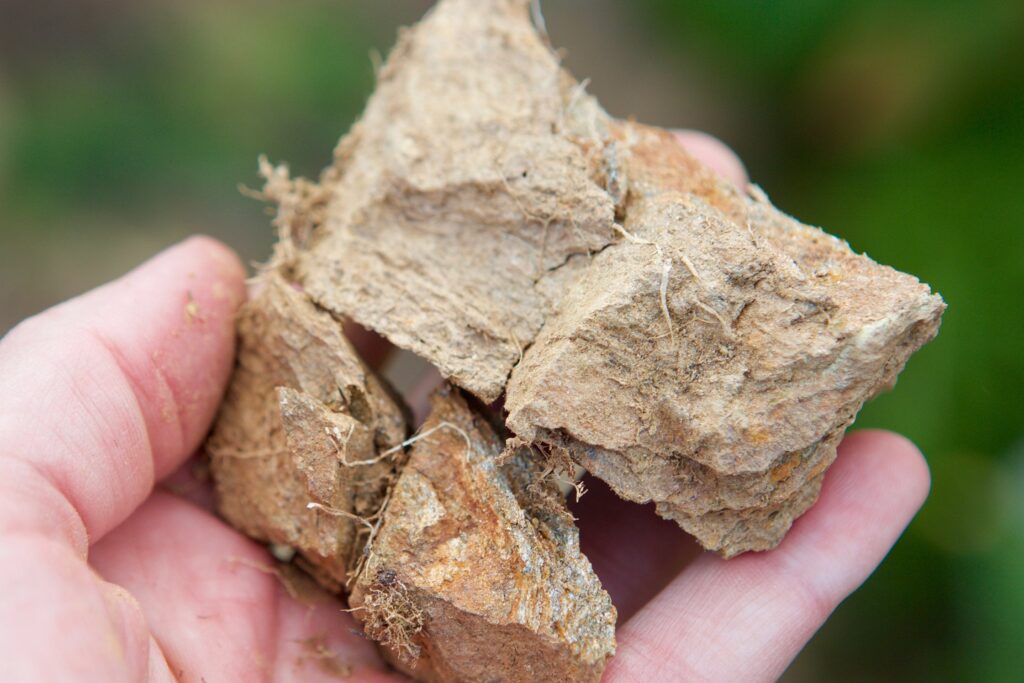
Qust e shireen
Supports nerve strength
Enhances vitality
Traditionally used for male reproductive support
Mucuna pruriens (Black Kaunch)
May support testosterone balance
Enhances libido
Strengthens nervous function
Cinnamomum verum (Cinnamon)
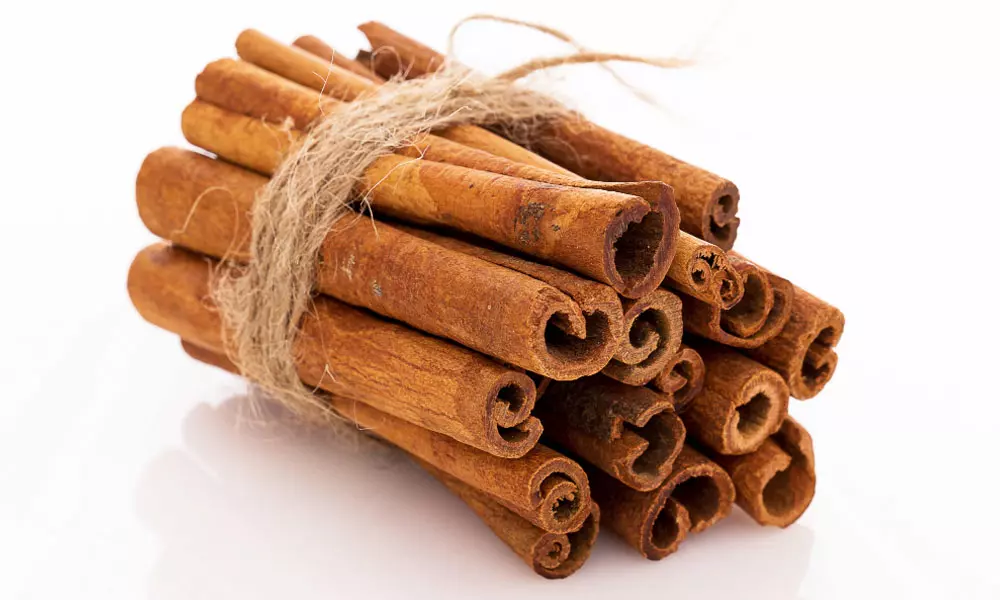
Improves blood circulation
Supports metabolic health
Provides antioxidant effects
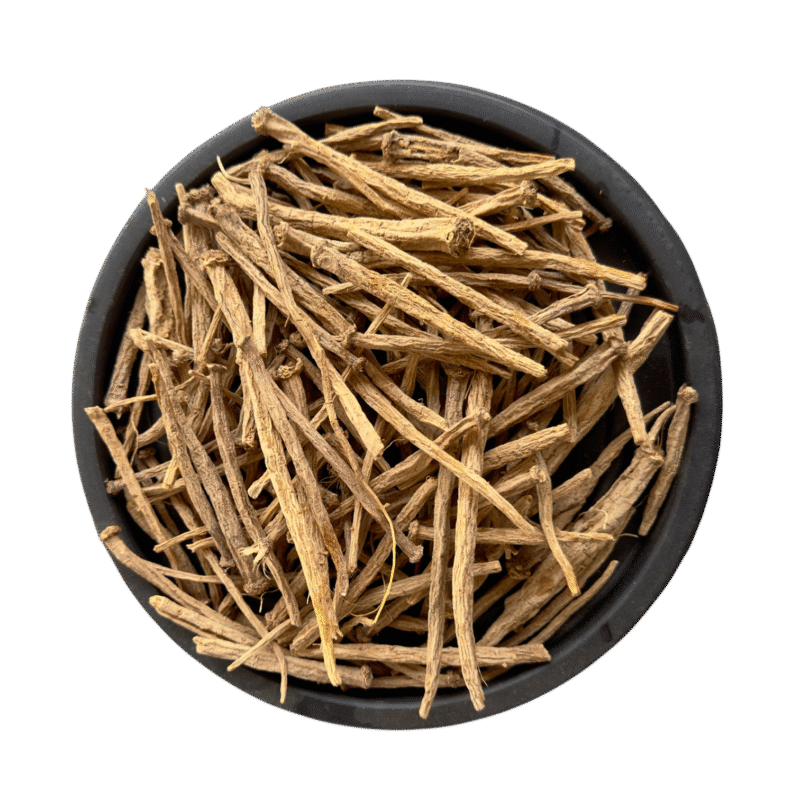
Anacyclus pyrethrum (Akarkara)
Stimulates nerve activity
Traditionally used for male vitality
Supports sexual performance
Panax ginseng (Red Ginseng)
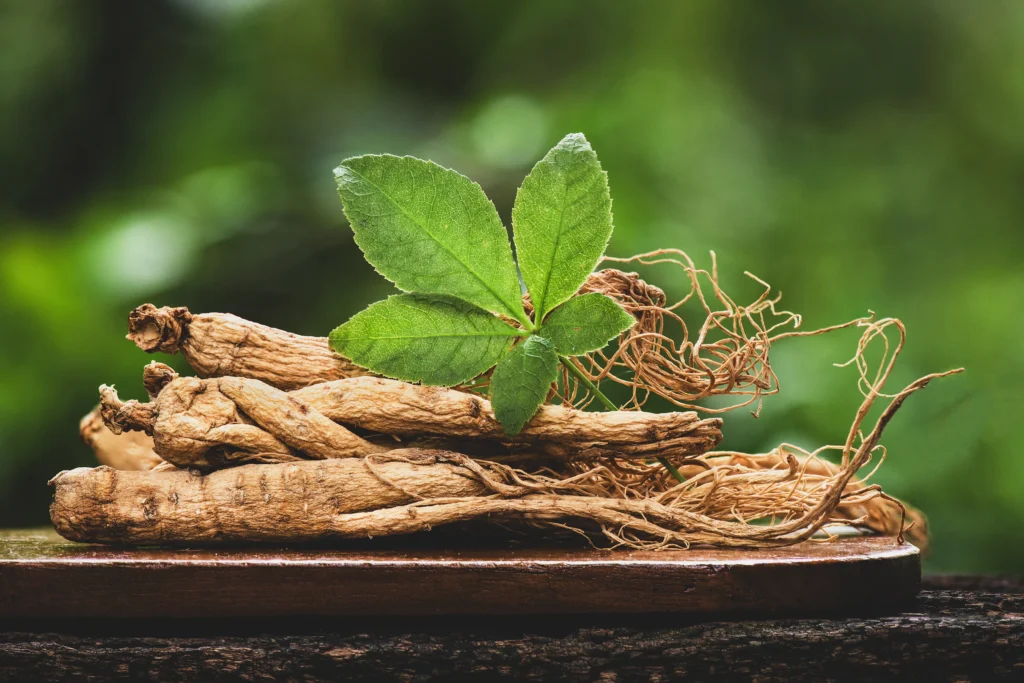
Improves erectile function (clinical support available)
Enhances energy and stamina
Supports blood circulation
Reduces fatigue
Preparation Method
Combine the following ingredients in the stated quantities:
- Asparagus racemosus (Shatavari) – 25 g
- Withania somnifera (Ashwagandha) – 25 g
- Chlorophytum borivilianum (Safed Musli) – 25 g
- Reghmahi – 10 g
- Crocus sativus (Saffron) – 10 g
- Jund Bedaster – 5 g
- Saleb Panja – 25 g
- Saleb Misri – 25 g
- Mucuna pruriens (White Kaunch) – 25 g
- Lepidium meyenii (Maca Root) – 20 g
- Char Gond – 25 g
- Kath Shireen – 25 g
- Mucuna pruriens (Black Kaunch) – 25 g
- Cinnamomum verum (Cinnamon) – 25 g
- Anacyclus pyrethrum (Akarkara) – 25 g
- Panax ginseng (Red Ginseng) – 25 g
Instructions:
Store in an airtight glass container away from moisture and direct sunlight.
Ensure all ingredients are clean, dry, and free from impurities.
If any ingredient is in whole form (roots, sticks, resin), break it into small pieces.
Grind all ingredients into a fine powder (sufuf consistency).
Mix thoroughly to ensure uniform distribution.
Recommended Dosage Guidelines
For the prepared herbal powder (sufuf formulation):
Standard Adult Dosage
5 grams (approximately 1 level teaspoon)
Twice daily (morning and evening)
Take with lukewarm milk for better absorption and traditional efficacy
Preferably after meals to avoid gastric irritation
Duration of Use
- Minimum 6–8 weeks for noticeable results
- Can be continued up to 3 months, followed by a 2–3 week break