



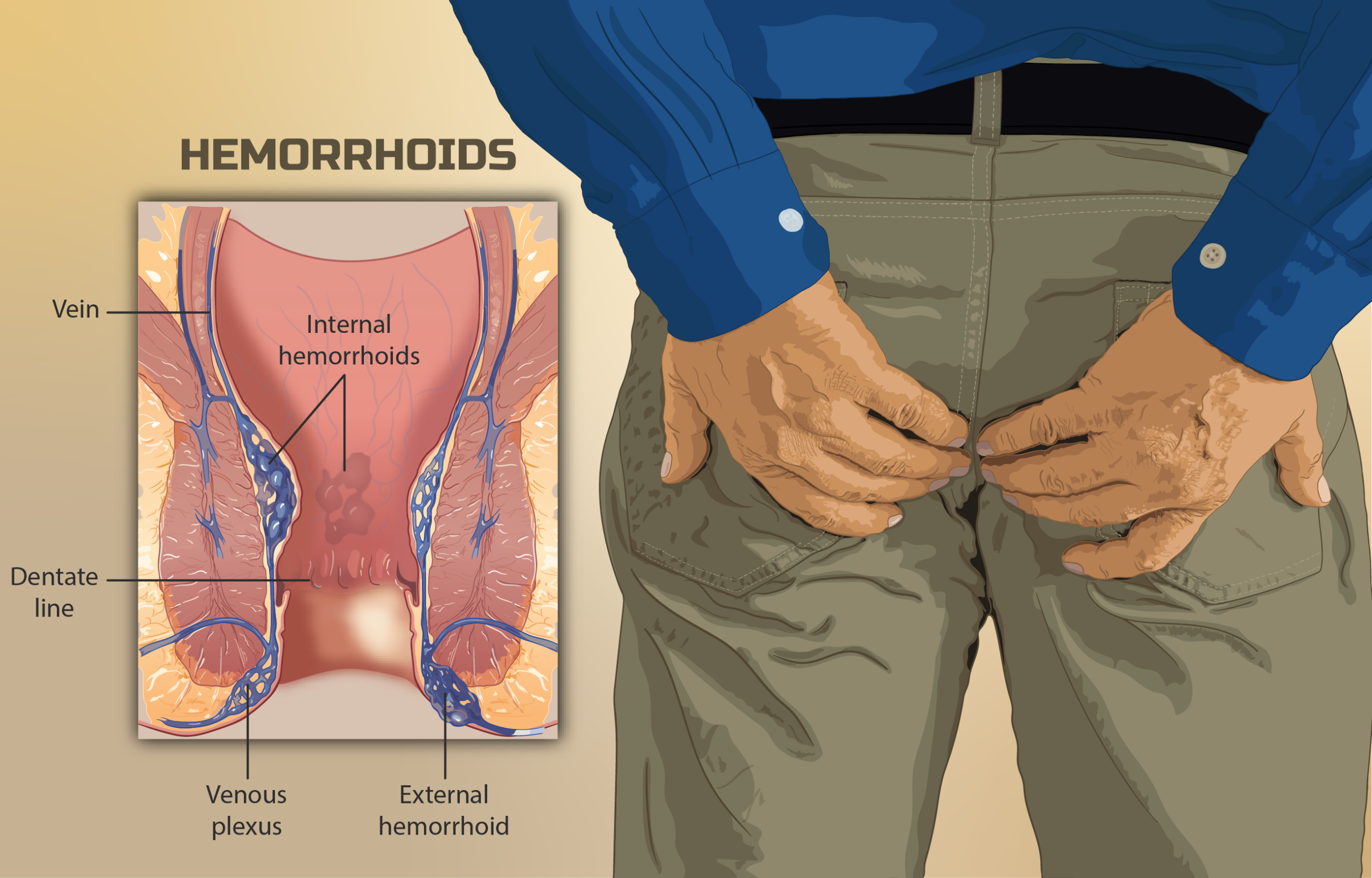
INTRODUCTION:
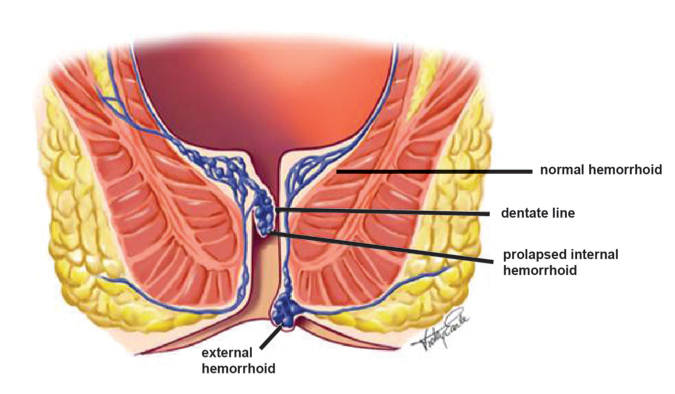
Hemorrhoids, commonly known as piles, are swollen and inflamed veins located in the lower rectum and around the anus. They develop when increased pressure affects the veins in the anorectal region, causing them to enlarge, stretch, and sometimes protrude.Hemorrhoids are a very common condition affecting adults worldwide. Contributing factors include chronic constipation, prolonged straining during bowel movements, sitting for extended periods (especially on the toilet), pregnancy, obesity, and low-fiber diets.
TYPES OF HEMORRHOIDS:
Internal hemorrhoids
These develop inside the rectum and are usually painless but may cause bleeding during bowel movements.
External hemorrhoids
These form under the skin around the anus and can cause pain, itching, swelling, and discomfort.
SYMPTOMS:
In most cases, the symptoms of piles, also called hemorrhoids, are not serious and resolve on their own.
An individual with piles may experience the following symptoms:
painful lumps in and around the anus
itching and discomfort around the anus
discomfort during and after passing stools
bloody stools
Piles can escalate into a more severe condition. These include:
excessive anal bleeding, possibly leading to anemia
infection
fecal incontinence
anal fistula
strangulated hemorrhoid, in which anal muscles cut off blood supply to the hemorrhoid
CAUSES:
1. Chronic Constipation
Frequent straining during bowel movements increases intra-abdominal and rectal pressure, weakening the venous walls.
2. Prolonged Sitting
Sitting for long periods, especially on the toilet, restricts blood flow and increases pressure in the anal veins.
3. Chronic Diarrhea
Repeated irritation and frequent bowel movements can inflame and strain the rectal veins.
4. Low-Fiber Diet
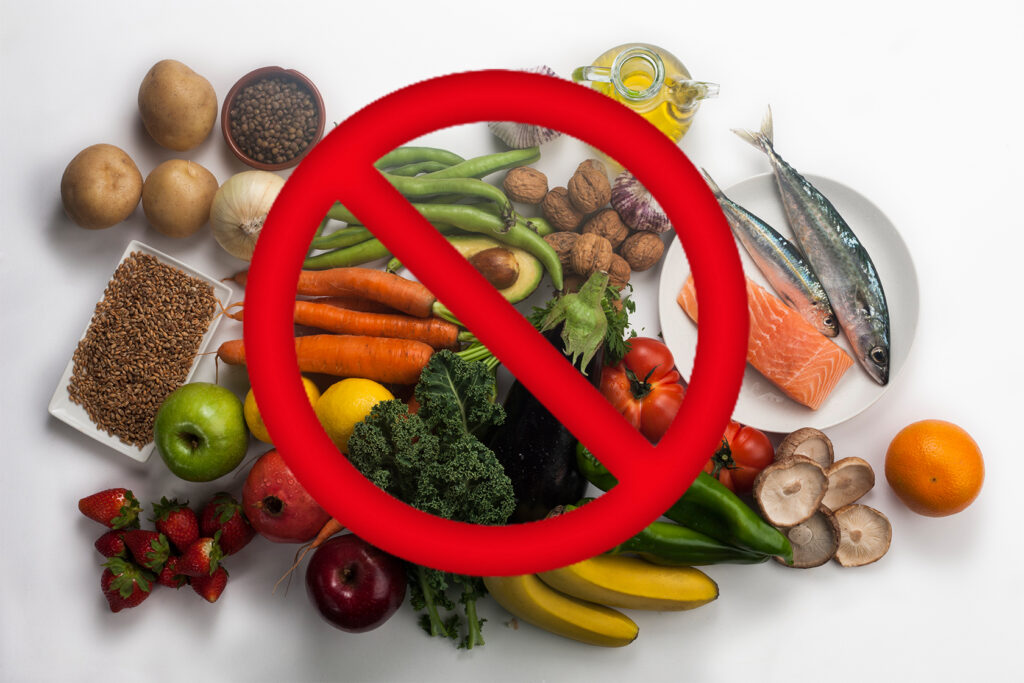
Insufficient dietary fiber leads to hard stools, which require straining and increase pressure during defecation.
5. Pregnancy
During pregnancy, the enlarged uterus puts pressure on pelvic veins, while hormonal changes relax vein walls, increasing the risk of hemorrhoids.
6. Obesity
Excess body weight adds pressure to pelvic and rectal veins.
7. Heavy Lifting
Regular lifting of heavy objects increases abdominal pressure, contributing to vein swelling.
8. Aging
With age, the supporting tissues in the rectum and anus weaken, making veins more susceptible to enlargement.
HERBAL TREATMENT OF PILES:
EFFECTIVE HERBAL REMEDIES FOR PILES
1. Triphala
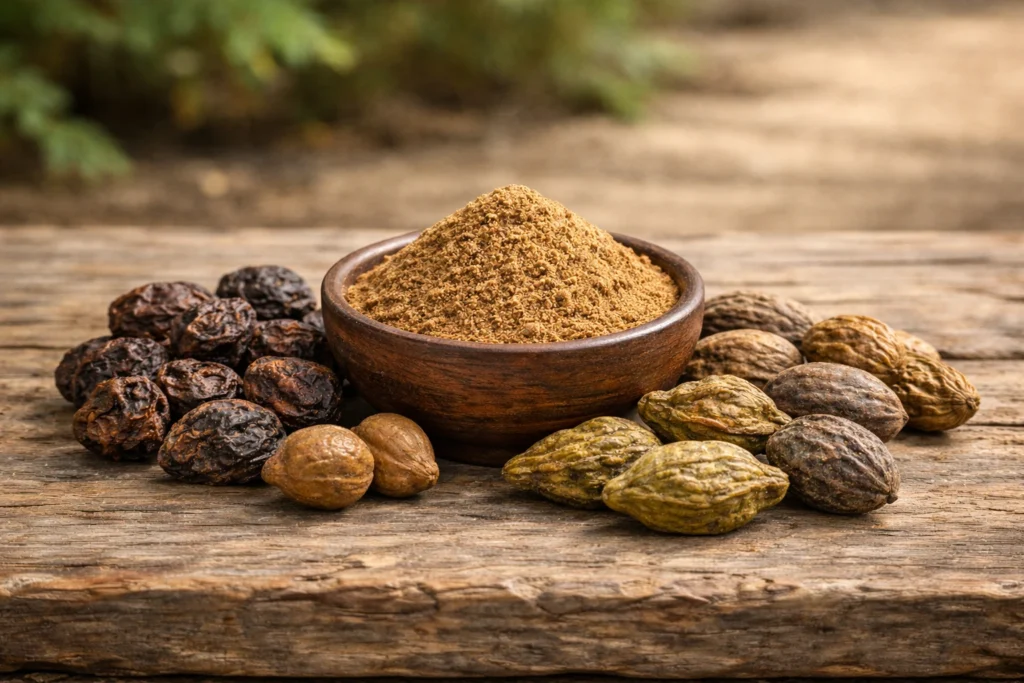
A classical Ayurvedic formulation made from three fruits. It acts as a mild natural laxative and improves digestion.
Benefits:
Relieves constipation
Reduces straining
Detoxifies digestive system
How to Use:
½–1 teaspoon Triphala powder at night with warm water.
2. Aloe Vera
Aloe vera gel has soothing and anti-inflammatory properties.
Benefits:
Reduces burning and itching
Promotes healing
Soothes irritated tissues
How to Use:
Apply fresh aloe vera gel externally 1–2 times daily.
3. Witch Hazel
Witch hazel is a natural astringent.
Benefits:
Reduces swelling
Controls minor bleeding
Relieves irritation
How to Use:
Apply witch hazel extract using cotton on affected area
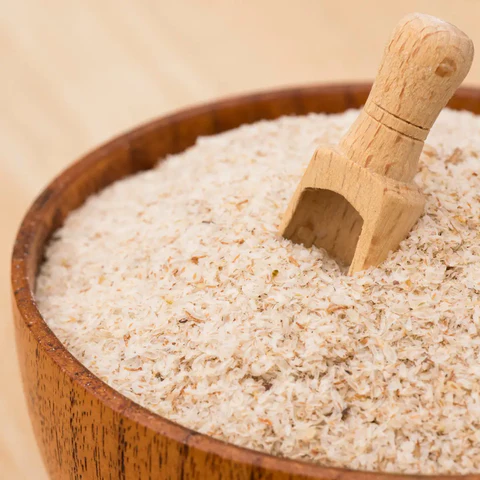
4. Psyllium Husk (Isabgol)
A natural fiber supplement.
Benefits:
Softens stool
Prevents constipation
Reduces pressure on veins
How to Use:
1 teaspoon in a glass of warm water at bedtime.
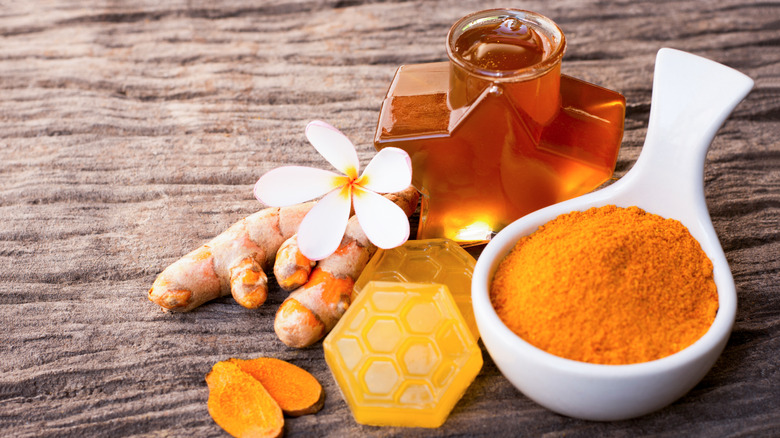
5. Turmeric
Contains curcumin with strong anti-inflammatory properties.
Benefits:
Reduces inflammation
Supports healing
How to Use:
Mix turmeric powder with warm milk or apply turmeric paste externally.
6. Neem
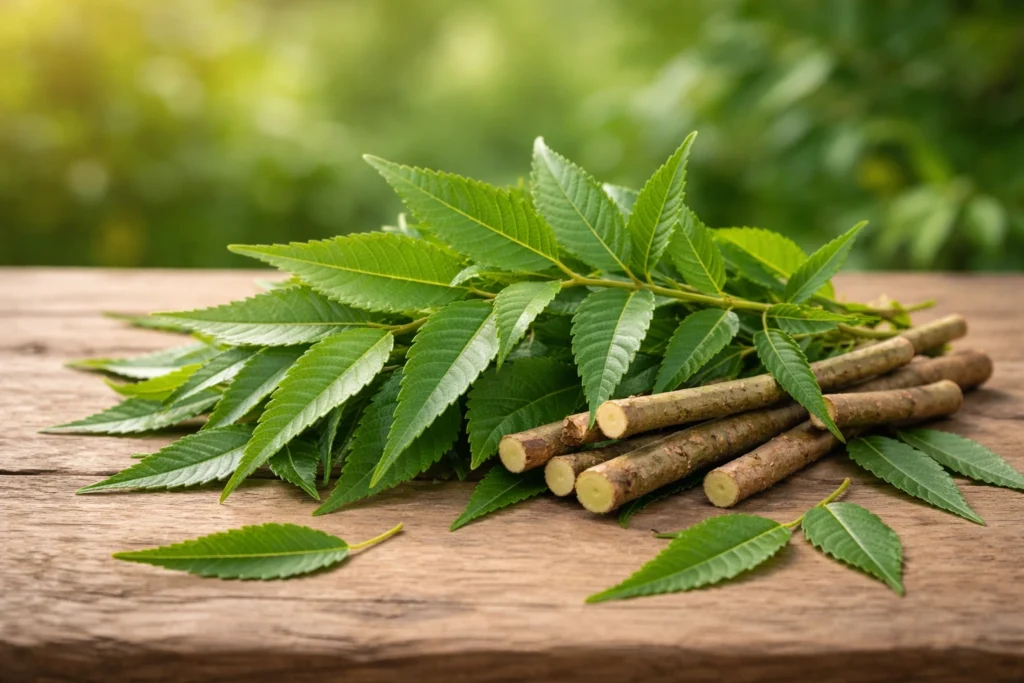
Neem has antibacterial and healing properties.
Benefits:
Prevents infection
Reduces swelling
Promotes tissue repair
How to Use:
Neem oil (diluted) for external application.
7. Sitz Bath with Herbal Decoction
Using warm water infused with neem or chamomile helps relieve symptoms.
Benefits:
Reduces pain
Improves blood circulation
Speeds healing
How to Use:
Sit in warm herbal water for 10–15 minutes daily.