


WHAT IS CHOLESTEROL:
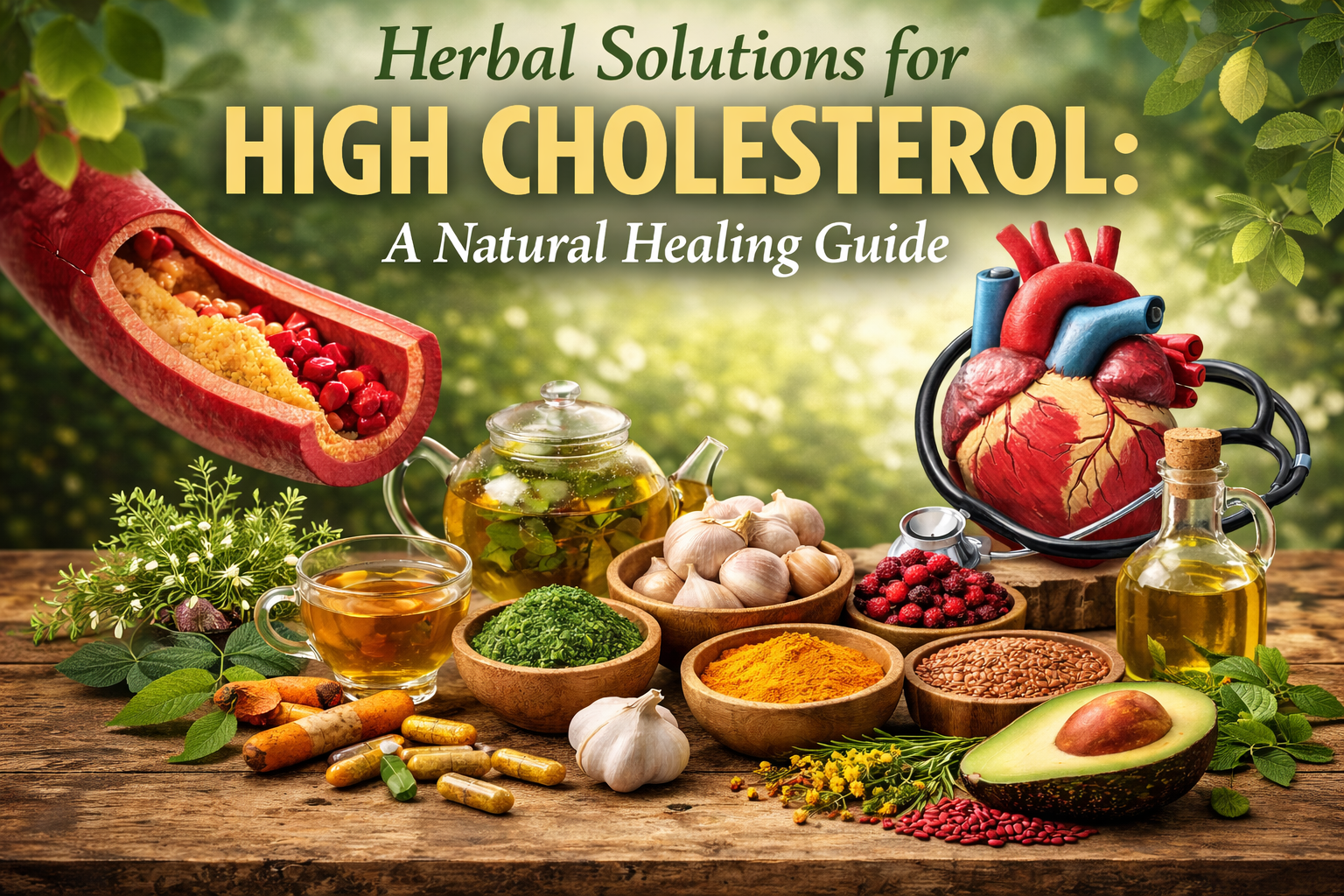
Cholesterol is a fatty substance found in the blood that is necessary for the body’s normal functioning. It helps in building cells and producing important hormones. There are two main types: good cholesterol (HDL) and bad cholesterol (LDL). Good cholesterol protects the heart, while bad cholesterol can build up in the arteries. High cholesterol levels can lead to serious conditions like Heart Disease and Stroke. Maintaining a healthy lifestyle can help keep cholesterol under control.
TYPES OF CHOLESTEROL:
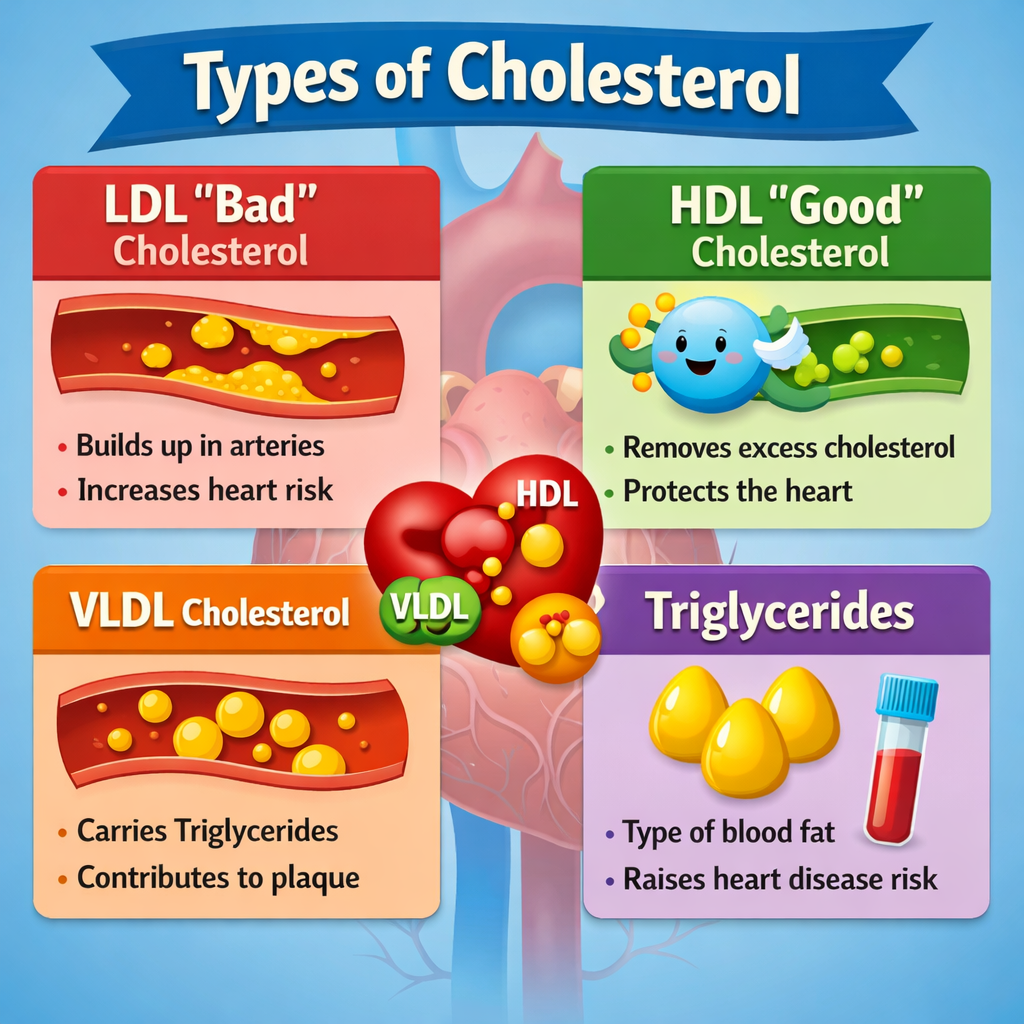
1. LDL (Low-Density Lipoprotein) – Bad Cholesterol
LDL is known as bad cholesterol because it builds up in the walls of arteries, forming plaque. This can lead to blockage and increase the risk of heart problems.
2. HDL (High-Density Lipoprotein) – Good Cholesterol
HDL is called good cholesterol because it helps remove excess cholesterol from the blood and carries it back to the liver, protecting the heart.
3. VLDL (Very Low-Density Lipoprotein)
VLDL mainly carries triglycerides and also contributes to plaque buildup in the arteries, similar to LDL.
4. Triglycerides
Triglycerides are another type of fat in the blood. High levels can increase the risk of heart-related diseases, especially when combined with high LDL or low HDL.
CAUSES OF BAD CHOLESTEROL:
Unhealthy Diet
Eating foods high in saturated fats, trans fats, and fried or processed items increases LDL cholesterol.
Lack of Physical Activity
A sedentary lifestyle reduces good cholesterol (HDL) and raises bad cholesterol levels.
Obesity
Being overweight or obese is strongly linked to higher LDL and triglyceride levels.
Smoking
Smoking damages blood vessels and lowers good cholesterol, making LDL more harmful.
Excess Alcohol Consumption
Drinking too much alcohol can raise cholesterol and triglyceride levels.
Genetics (Family History)
Some people inherit conditions like Familial Hypercholesterolemia, which cause naturally high cholesterol levels.
Medical Conditions
Diseases like Diabetes and Hypothyroidism can also increase bad cholesterol.
SYMPTOMS:
High cholesterol usually does not cause noticeable symptoms, which is why it is often called a silent condition. Many people do not realize they have it until it leads to serious health problems.
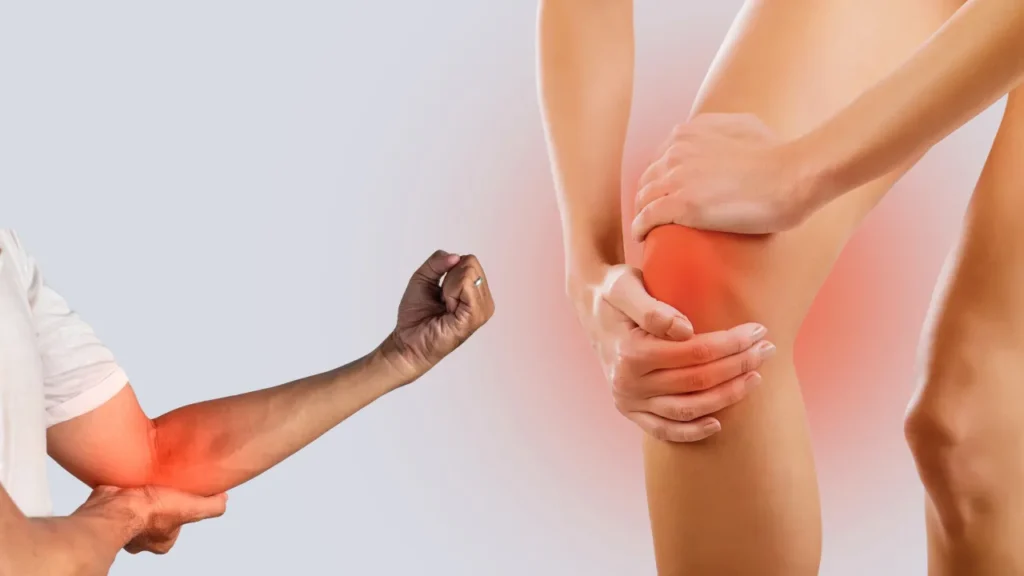
Common Signs (When It Becomes Severe)
Chest pain or discomfort (angina)
Shortness of breath
Fatigue or weakness
Pain in the legs due to reduced blood flow
Visible Signs (In Some Cases)
Yellowish deposits on the skin or around the eyes (xanthomas)
Fatty bumps under the skin
Serious Complications
If left untreated, high cholesterol can lead to conditions like Heart Attack and Stroke.
Important Note
Since symptoms are often absent, regular blood tests are the best way to check cholesterol levels and prevent complications.
HERBAL MEDICINE:
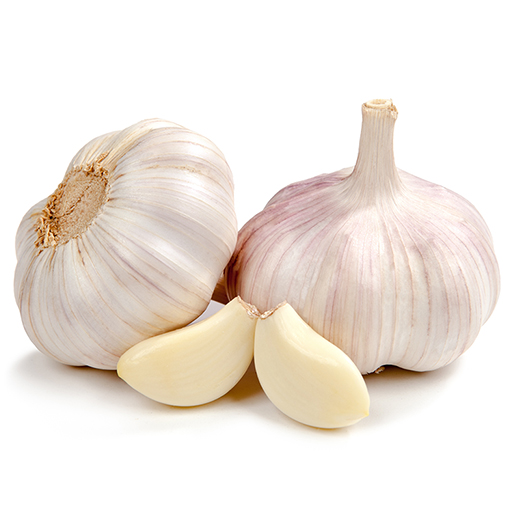
Garlic helps lower LDL cholesterol and improves heart health.
How to use: Eat 1–2 raw garlic cloves daily on an empty stomach.
Rich in fiber, fenugreek helps reduce cholesterol absorption.
How to use: Soak 1 teaspoon of seeds overnight and drink the water in the morning.
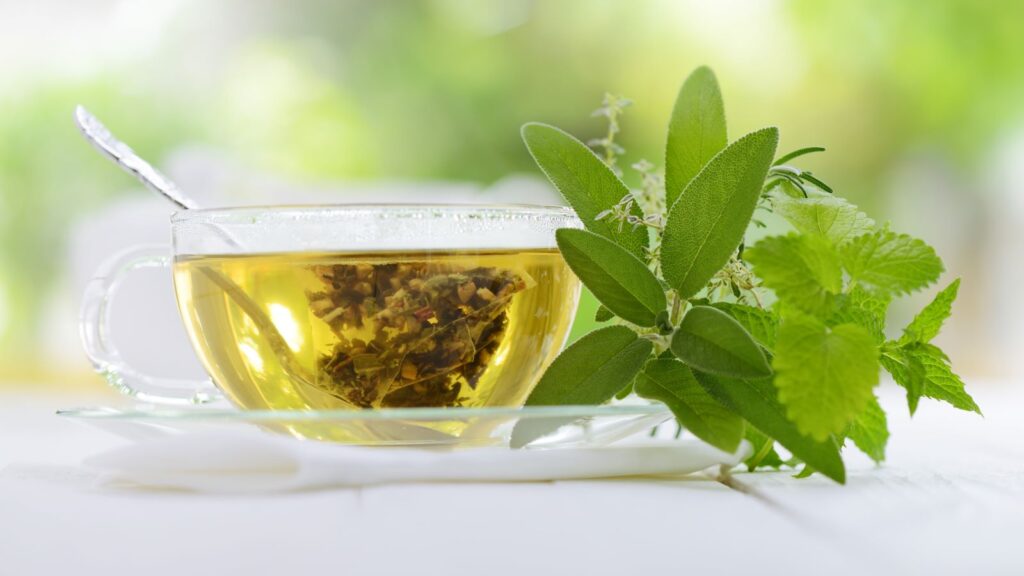
Green tea contains antioxidants that help lower cholesterol levels.
How to use: Drink 1–2 cups daily.
Turmeric contains curcumin, which helps reduce bad cholesterol and inflammation.
How to use: Add turmeric to milk or warm water daily.
Flaxseeds are rich in omega-3 fatty acids that help lower LDL cholesterol.
How to use: Eat 1 tablespoon of ground flaxseeds daily.
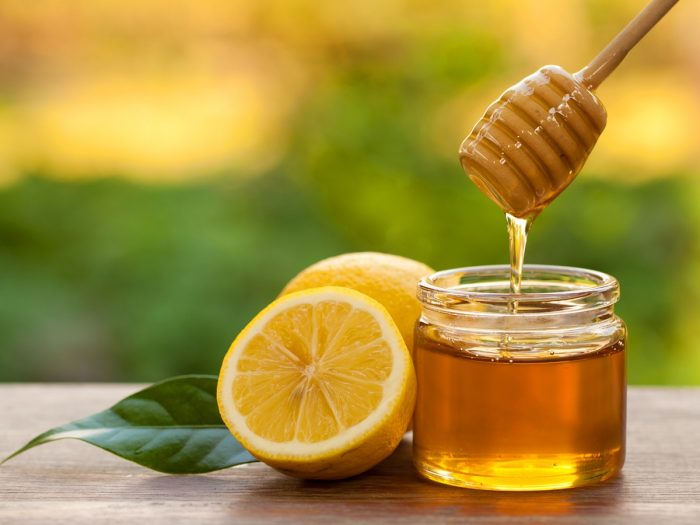
This combination helps detoxify the body and improve heart health.
How to use: Mix lemon juice and honey in warm water and drink daily.
This Article is for Basic Information. Contact a professional doctor before using it.
HAKEEM KARAMAT ULLAH