



INTRODUCTION:
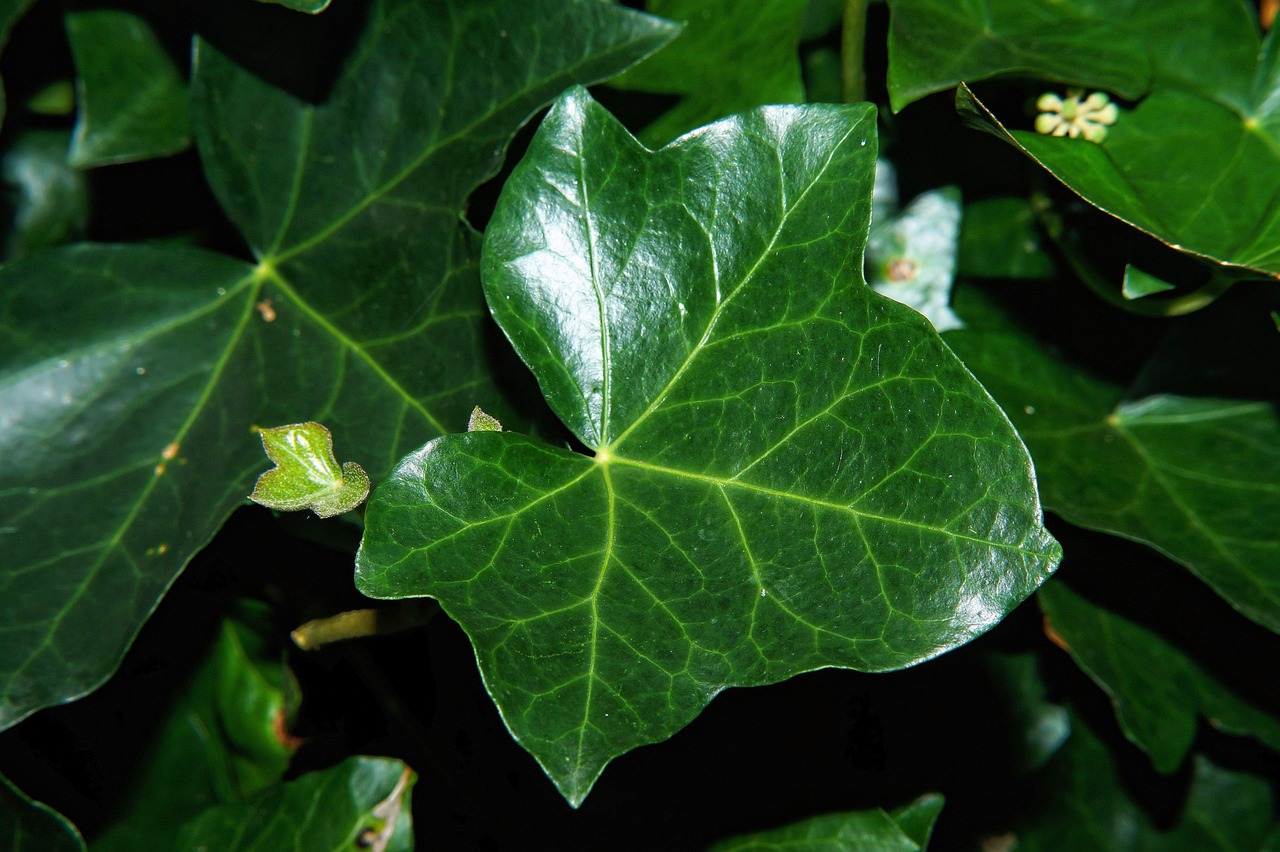
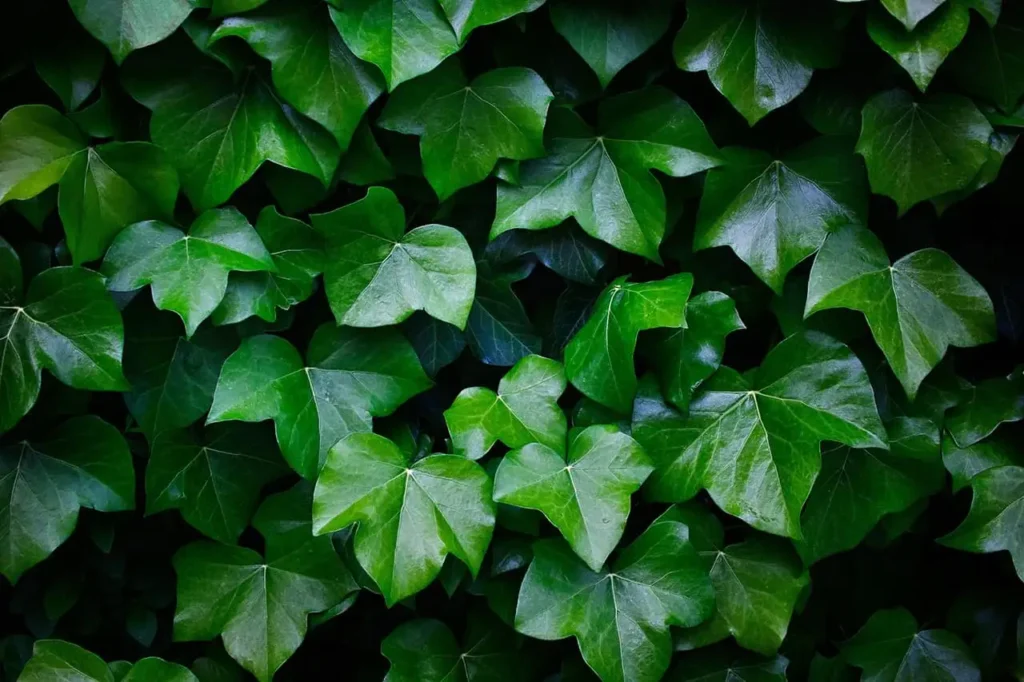
The ivy leaf comes from the ivy plant (Hedera species), a fast-growing evergreen climber commonly found on walls, trees, and the ground. Ivy leaves are usually dark green, glossy, and have a distinctive lobed shape, which helps make the plant easy to recognize. Because ivy can adapt to many environments, it grows in gardens, forests, and urban areas around the world. Ivy leaves play an important role in photosynthesis and are known for their toughness, allowing the plant to survive in shade and harsh conditions. Due to its attractive appearance, ivy is often used as an ornamental plant in landscaping and decoration.
English: Ivy
Scientific name: Hedera
Urdu: پیچک / آئیوی
Hindi: आइवी (Aivi)
Sanskrit: नीललता (Neelalata)
Tamil: ஐவி செடி (Aivi Sedi)
Telugu: ఐవి మొక్క (Aivi Mokka)
Kannada: ಐವಿ ಸಸ್ಯ (Aivi Sasya)
Malayalam: ഐവി ചെടി (Aivi Chedi)
Bengali: আইভি লতা (Aivi Lata)
Marathi: आयव्ही वेल (Aivi Vel)
Gujarati: આયવી લતા (Aivi Lata)
HEALTH BENEFITS:

Cough Relief and Expectorant Action
The main use of ivy leaf is as an expectorant for productive coughs. It helps to loosen and thin thick mucus and phlegm in the airways, making it easier to clear from the lungs and chest.
Bronchodilator Effects
Compounds in ivy leaf, particularly saponins, can help relax and widen the bronchial passages (airways) in the lungs. This antispasmodic effect reduces airway resistance, which improves airflow and makes breathing easier for people with conditions like bronchitis and asthma.
Anti-inflammatory Properties
Ivy leaf extract exhibits anti-inflammatory effects, which can help reduce swelling and irritation in the respiratory tract. This action soothes irritated bronchial passages and helps manage symptoms like chest tightness and wheezing.
Antimicrobial Activity
Some research suggests that the saponins in ivy leaf have antibacterial, antiviral, and antifungal properties, which may help the body fight off respiratory infections.
Antioxidant Effects
Ivy leaf contains polyphenols, such as flavonoids, which are antioxidants that help protect the body’s cells from damage caused by free radicals.
Skin Health
When applied topically, ivy leaf extracts may help reduce inflammation associated with conditions like eczema and psoriasis, and some traditional uses include promoting wound healing.
HOW TO USE
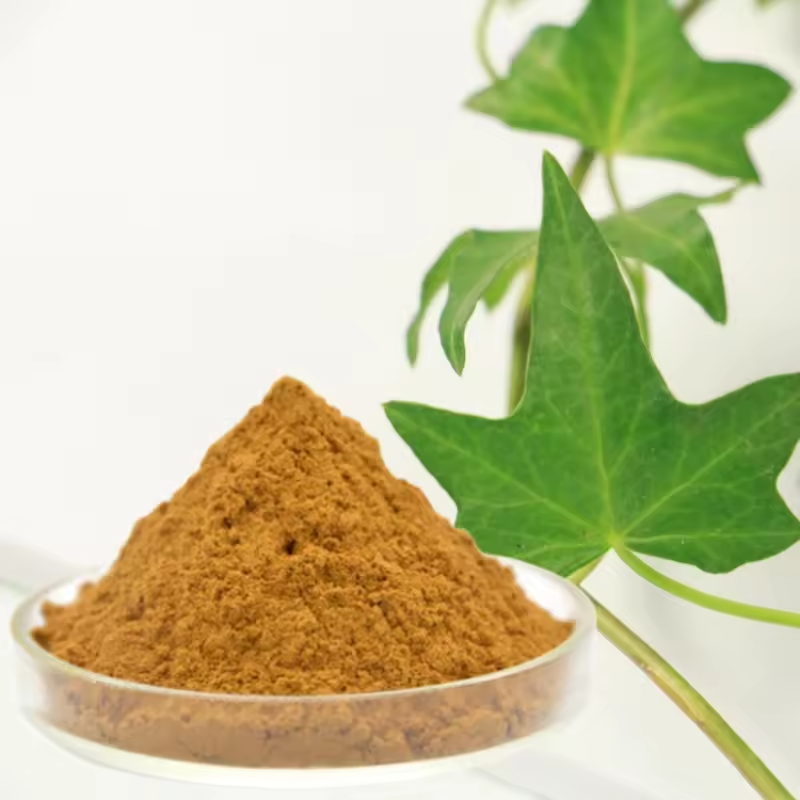
Ivy Leaf Syrup (most common)
Used for coughs, chest congestion, and colds.
How to use
Shake the bottle well
Take after meals to reduce stomach upset
Use only the measuring cup or spoon provided
Typical use (general guidance)
Children & teens: follow the dose written on the product label
Adults: usually taken 2–3 times daily
Because products vary, always follow the label instructions or a healthcare professional’s advice.
2. Ivy Leaf Drops or Liquid Extract
Added to a small amount of water or juice
Taken 1–3 times daily (label-specific)
3. Capsules or Tablets
Swallowed with water
Usually taken once or twice a day
How Long to Use
Often used for 5–7 days
If symptoms last more than a week, worsen, or include fever or breathing trouble → see a doctor
Safety Tips (Very Important)
Do NOT chew or boil raw ivy leaves — they are toxic
Do not exceed the recommended dose
Stop use if you notice:
Stomach pain
Nausea
Rash or itching
This Article is for Basic Information. Contact a professional doctor before using it.
HAKEEM KARAMAT ULLAH