



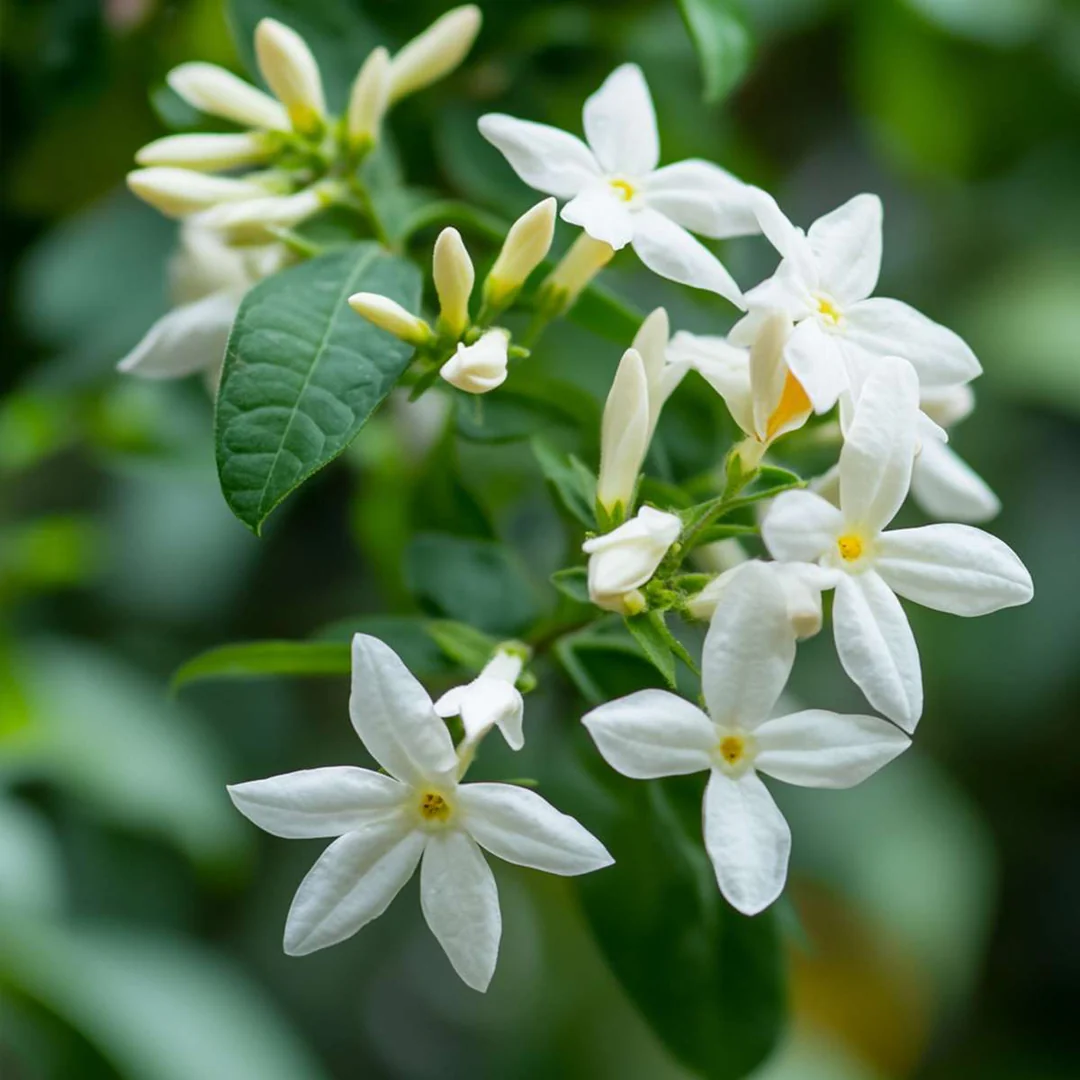
INTRODUCTION:
Jasmine is a fragrant flowering plant belonging to the genus Jasminum in the family Oleaceae. It is native to tropical and subtropical regions of Eurasia, Australasia, and Oceania. Jasmine plants are well-known for their small, white or yellow flowers and sweet, intense fragrance, which makes them popular in gardens, perfumes, and teas.Jasmine flowers have significant cultural, religious, and economic importance. They are often associated with love, purity, and beauty in many cultures. In addition, jasmine oil extracted from the flowers is widely used in aromatherapy, cosmetics, and traditional medicine due to its soothing and therapeutic properties.
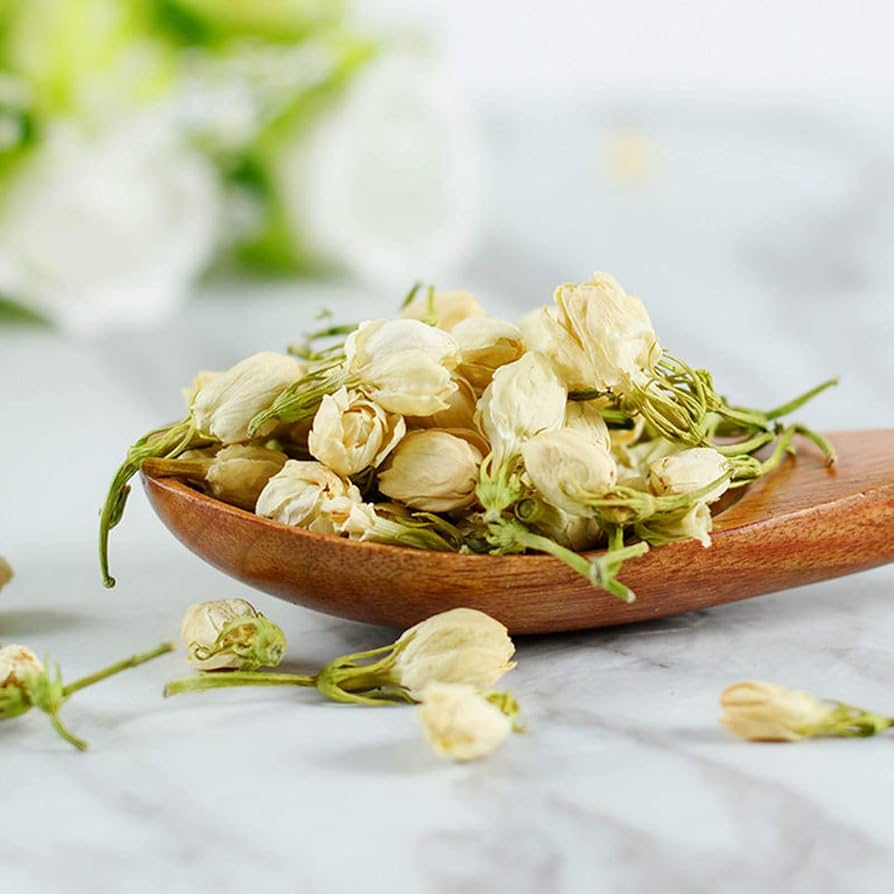
English: Jasmine
Hindi: चमेली (Chameli)
Sanskrit: जाती (Jāti)
Arabic: ياسمين (Yasmeen)
Italian: Gelsomino
Turkish: Yasemin
Thai: มะลิ (Mali)
Urdu: چمبیلی (Chambeli)
Bengali: জুঁই (Jui)
Tamil: மல்லி (Malli)
Malay/Indonesian: Melati
HEALTH BENEFITS:

Reduces Stress and Anxiety
Jasmine has a calming and soothing aroma.
Inhaling jasmine essential oil or drinking jasmine tea can help reduce stress levels and improve mood.
Studies suggest it may help with mild anxiety and depression by promoting relaxation.
2. Boosts Immune System
Jasmine flowers contain antioxidants that help combat free radicals.
These antioxidants support the immune system, helping the body fight off infections.
3. Improves Heart Health
Jasmine tea has compounds that may help lower cholesterol and improve circulation.
Regular consumption can reduce the risk of heart disease by supporting healthy blood vessels.
4. Aids Digestion
Jasmine tea can help with digestion, reduce bloating, and relieve gastrointestinal discomfort.
Its mild diuretic effect helps flush out toxins from the body.
5. Supports Weight Management
Jasmine tea, especially green jasmine tea, can aid in weight management.
It can boost metabolism and help with fat burning when combined with a healthy diet.
6. Promotes Skin Health
Antioxidants in jasmine can help slow skin aging and maintain skin elasticity.
Jasmine oil, when diluted and applied topically, may help soothe dry or irritated skin.
7. Enhances Respiratory Health
Inhaling jasmine aroma may relieve respiratory symptoms like coughs and congestion.
Some use jasmine essential oil in steam inhalation to help clear nasal passages.
8. Improves Sleep Quality
The calming properties of jasmine can improve sleep quality.
Jasmine aromatherapy may reduce restlessness and insomnia.
HOW TO USE:
1. Jasmine Tea (Most Popular)
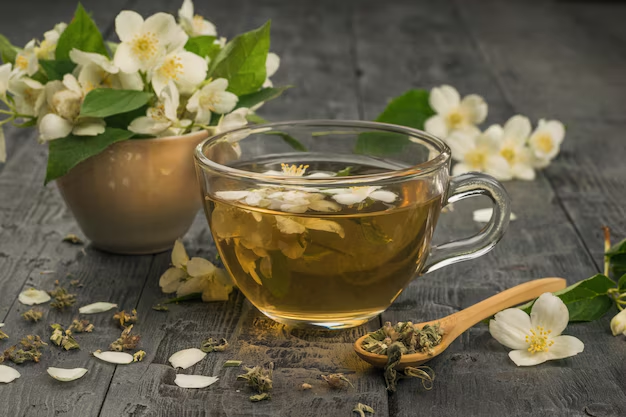
Benefits: Reduces stress, boosts immunity, aids digestion, supports heart health, helps with weight management.
How to Use:
Boil water and let it cool slightly (around 80–85°C for green jasmine tea).
Add 1–2 teaspoons of dried jasmine flowers or jasmine tea leaves.
Steep for 3–5 minutes.
Strain and drink warm.
Tip: Avoid sugar for maximum health benefits. Can be consumed 1–2 times a day.
2. Aromatherapy (Essential Oil)
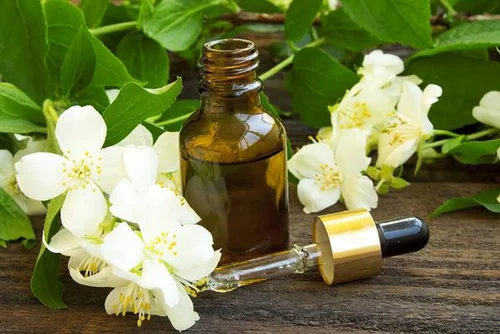
Benefits: Reduces stress, anxiety, improves sleep, promotes respiratory health.
How to Use:
Add 3–5 drops of jasmine essential oil to a diffuser.
Inhale deeply for 10–20 minutes.
For a relaxing bath, mix 2–3 drops with carrier oil and add to warm water.
3. Topical Use (Skin Care)
Benefits: Improves skin health, soothes dryness or irritation.
How to Use:
Dilute jasmine essential oil with a carrier oil (e.g., coconut or jojoba oil) at a ratio of 1–2%.
Massage gently on skin.
Can be used as a natural perfume due to its fragrance.
4. Jasmine Flower Infusion
Benefits: Detoxification, digestion, stress relief.
How to Use:
Boil water and add fresh or dried jasmine flowers.
Let steep for 5–10 minutes.
Drink like a mild herbal infusion or use as a rinse for skin and hair.
5. Inhaling Fresh Jasmine
Benefits: Improves mood, reduces anxiety, promotes better sleep.
How to Use:
Keep fresh jasmine flowers in a room.
Simply inhale the fragrance naturally, especially before bedtime or during meditation.