



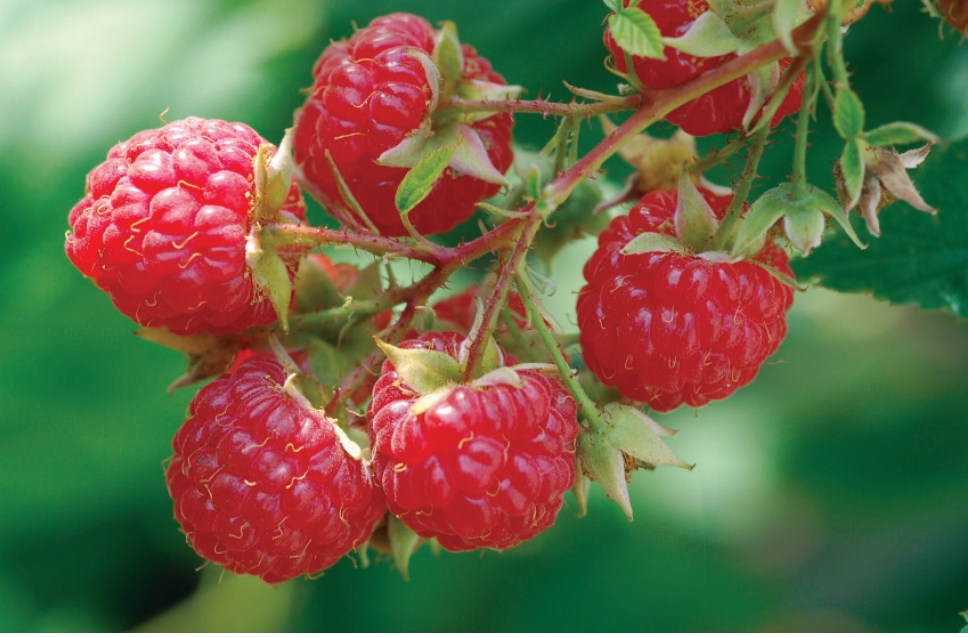
HEALTH BENEFITS:

Rich in Nutrients
Vitamins: High in vitamin C (boosts immunity, skin health) and vitamin K (helps blood clotting and bone health).
Minerals: Contains manganese (supports metabolism and bone health), magnesium, and potassium.
Fiber: One cup has around 8 grams of fiber, which helps digestion and keeps you full.
Antioxidant Powerhouse
Raspberries have antioxidants like quercetin and ellagic acid.
These protect your cells from damage by free radicals, which may reduce the risk of chronic diseases and slow aging.
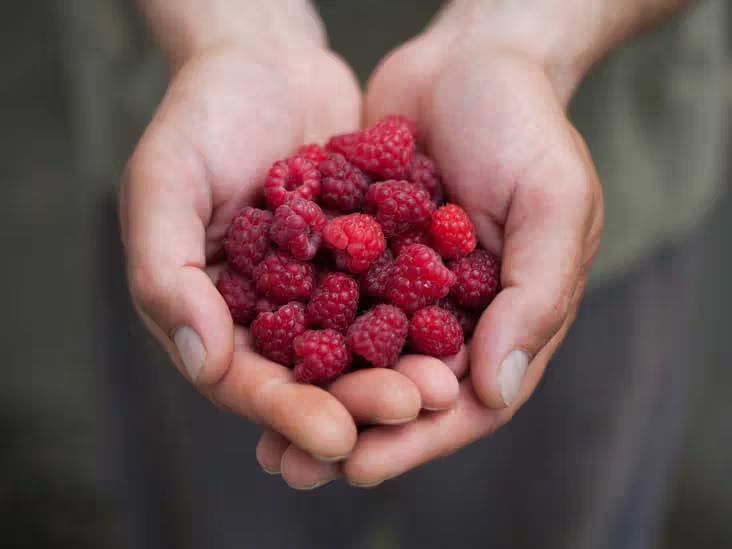
Supports Heart Health
Fiber and antioxidants can help lower cholesterol and reduce blood pressure.
This reduces the risk of heart disease.
May Help Control Blood Sugar
The fiber slows sugar absorption, helping prevent spikes in blood sugar.
Compounds in raspberries may improve insulin sensitivity, which is helpful for people at risk of diabetes.
Anti-Inflammatory Properties
Certain antioxidants in raspberries have anti-inflammatory effects, which may protect against arthritis and other chronic inflammation-related conditions.
May Support Weight Management
Low in calories but high in fiber and water, making them filling without overeating.
Helps maintain a healthy digestive system and metabolism.
Good for Skin and Hair
Vitamin C helps collagen production, keeping skin firm and reducing wrinkles.
Antioxidants protect skin cells from sun and pollution damage.
SIDE EFFECTS

Digestive Issues: Eating very large quantities may cause temporary bloating, gas, or loose stools/diarrhea due to the high fiber content.
Kidney Stones: Raspberries contain oxalates, which may need to be limited by individuals prone to developing oxalate kidney stones.
Allergies: Rare cases of allergic reactions (hives, difficulty breathing, swelling) can occur.
HOW TO USE:
Eat Them Fresh
Simply wash and eat them as a snack.
Perfect on cereal, oatmeal, yogurt, or even on their own.
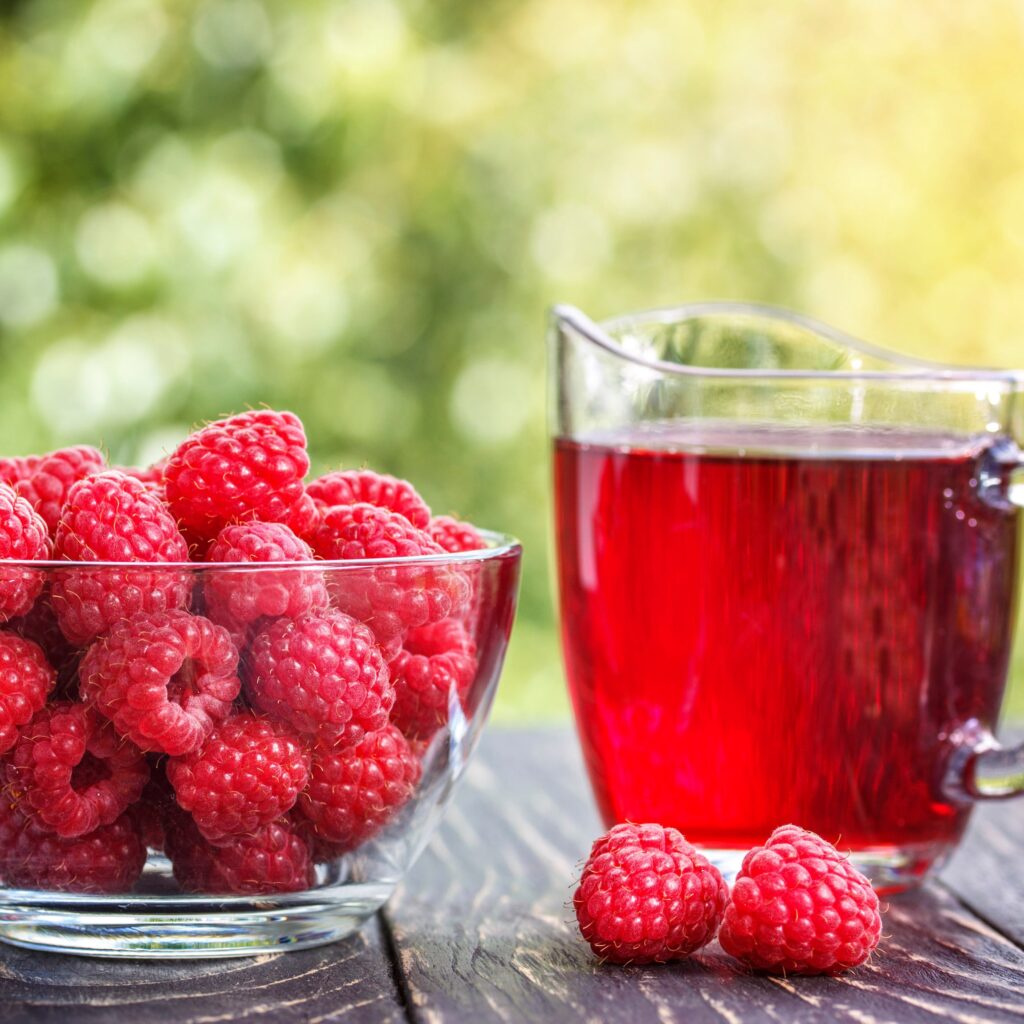
2. Smoothies & Drinks
Blend raspberries with milk, yogurt, or plant-based milk for a smoothie.
Add a banana or spinach for extra nutrients.
You can also add them to water or iced tea for a natural flavor boost.
3. Breakfast Toppings
Sprinkle on pancakes, waffles, or oatmeal.
Combine with nuts or seeds for a filling, nutritious start to the day.
4. Baking & Cooking
Use in muffins, pancakes, or cakes—they add flavor and nutrients.
Make a simple raspberry sauce for desserts or savory dishes.
5. Frozen or Dried
Frozen raspberries are great for smoothies or as ice-cold snacks.
Dried raspberries can be added to cereals, trail mix, or baked goods.
6. Jams & Preserves
Homemade raspberry jam is healthier than store-bought versions with added sugar.
Spread on toast or add to desserts.
7. Salads
Add fresh raspberries to green salads—they pair well with spinach, nuts, and cheese.
Tip:
Wash raspberries gently before eating—they’re delicate and can get mushy.
Eat them within a few days of buying for the best taste and nutrients.
This Article is for Basic Information. Contact a professional doctor before using it.
HAKEEM KARAMAT ULLAH