



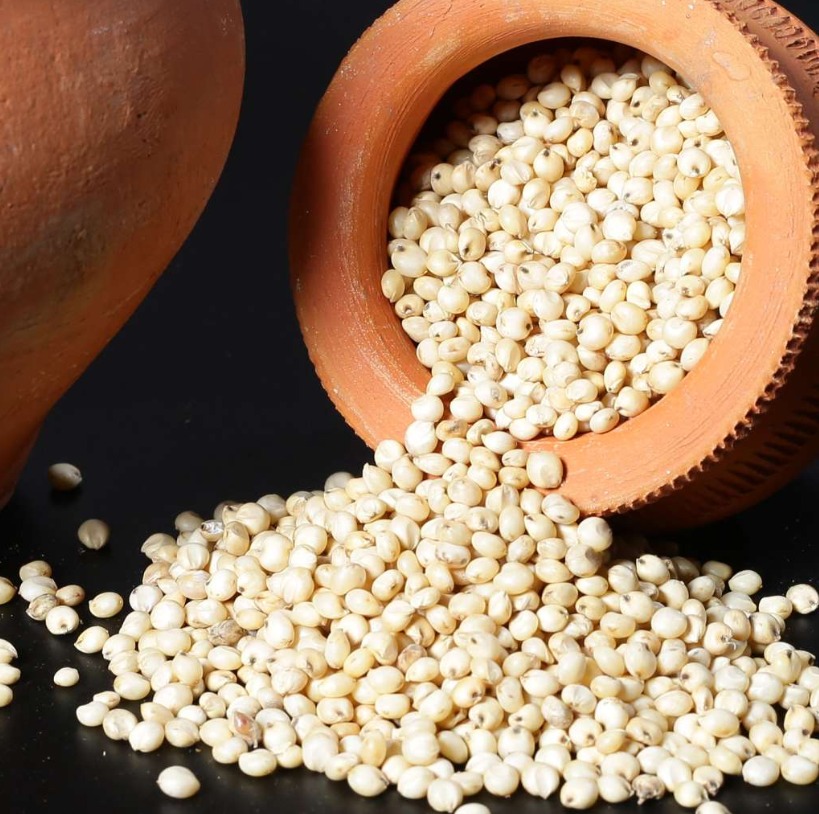
INTRODUCTION:
Sorghum is a hardy cereal crop that belongs to the grass family (Poaceae) and is often grouped with millets because of its small grains and similar uses. It is one of the world’s oldest cultivated crops and is widely grown in Africa, Asia, and parts of the Americas. Sorghum is especially valued for its ability to grow well in hot, dry climates where other crops may fail.
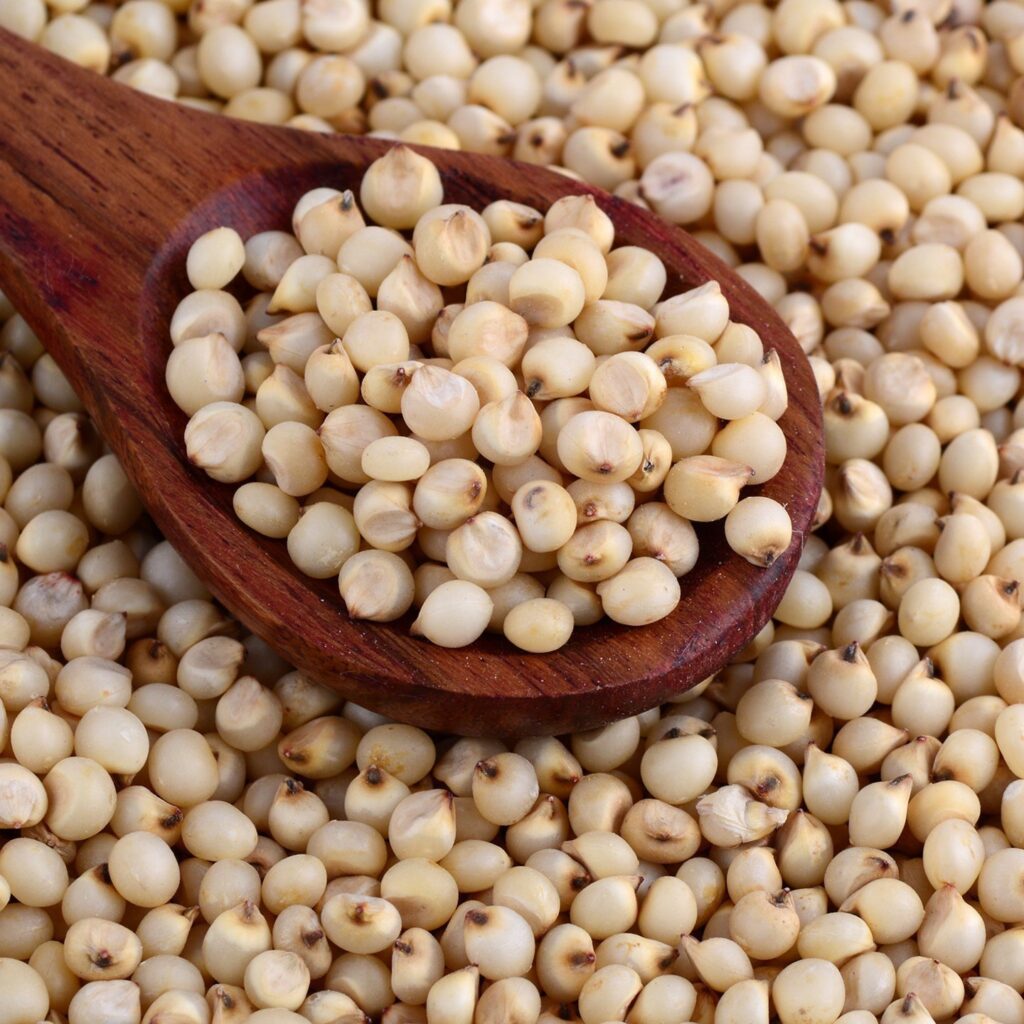
English: Sorghum / Great millet
Hindi: ज्वार (Jowar)
Marathi: ज्वारी (Jwari)
Gujarati: જુવાર (Juwar)
Punjabi: ਜਵਾਰ (Jowar)
Bengali: জোয়ার (Joar)
Odia: ଜୁଆର (Juar)
Assamese: জোৱাৰ (Jowar)
Tamil: சோளம் (Cholam)
Telugu: జొన్న (Jonna)
Kannada: ಜೋಳ (Jola)
Malayalam: ചോളം (Cholam)
Urdu: جوار (Jowar)
HEALTH BENEFITS:

Rich in Nutrients
Sorghum is a good source of carbohydrates, protein, dietary fiber, vitamins (especially B-complex), and minerals such as iron, magnesium, phosphorus, and potassium.
Gluten-Free Grain
It is naturally gluten-free, making it a safe and healthy option for people with celiac disease or gluten intolerance.
Improves Digestion
The high fiber content helps prevent constipation, supports healthy digestion, and promotes a healthy gut.
Helps Control Blood Sugar
Sorghum has a low to moderate glycemic index, which helps in managing blood sugar levels and is beneficial for people with diabetes.
Supports Heart Health
Fiber and antioxidants in sorghum help reduce bad cholesterol (LDL), lowering the risk of heart disease.
Boosts Energy Levels
Being rich in complex carbohydrates and B-vitamins, sorghum provides sustained energy and helps reduce fatigue.
Strengthens Bones
Minerals like magnesium and phosphorus contribute to strong bones and teeth.
Rich in Antioxidants
Sorghum contains powerful antioxidants that help protect the body from cell damage and support overall immunity.
Aids Weight Management
Its high fiber content keeps you full for longer, helping control appetite and support healthy weight management.
Supports Overall Immunity
The vitamins, minerals, and plant compounds in sorghum help strengthen the immune system.
SIDE EFFECTS

Mineral Absorption:
Phytates in sorghum and millets can bind to minerals (like iron, zinc), reducing their absorption.
Mitigation:
Soaking, sprouting, or fermenting grains helps reduce phytates.
Thyroid Function:
Millets contain goitrogens, which might affect thyroid function, especially in iodine-deficient areas, says Lybrate.
Allergies:
Though rare, some individuals might experience mild allergic reactions to sorghum proteins.
Immature Plants:
Raw, immature sorghum plants are poisonous due to cyanide compounds, but this isn’t an issue with mature grains used in food.
HOW TO USE:
1. As Food
Flour: Sorghum grains are ground into flour and used to make rotis, bhakri, dosa, idli, porridge, and baked items.
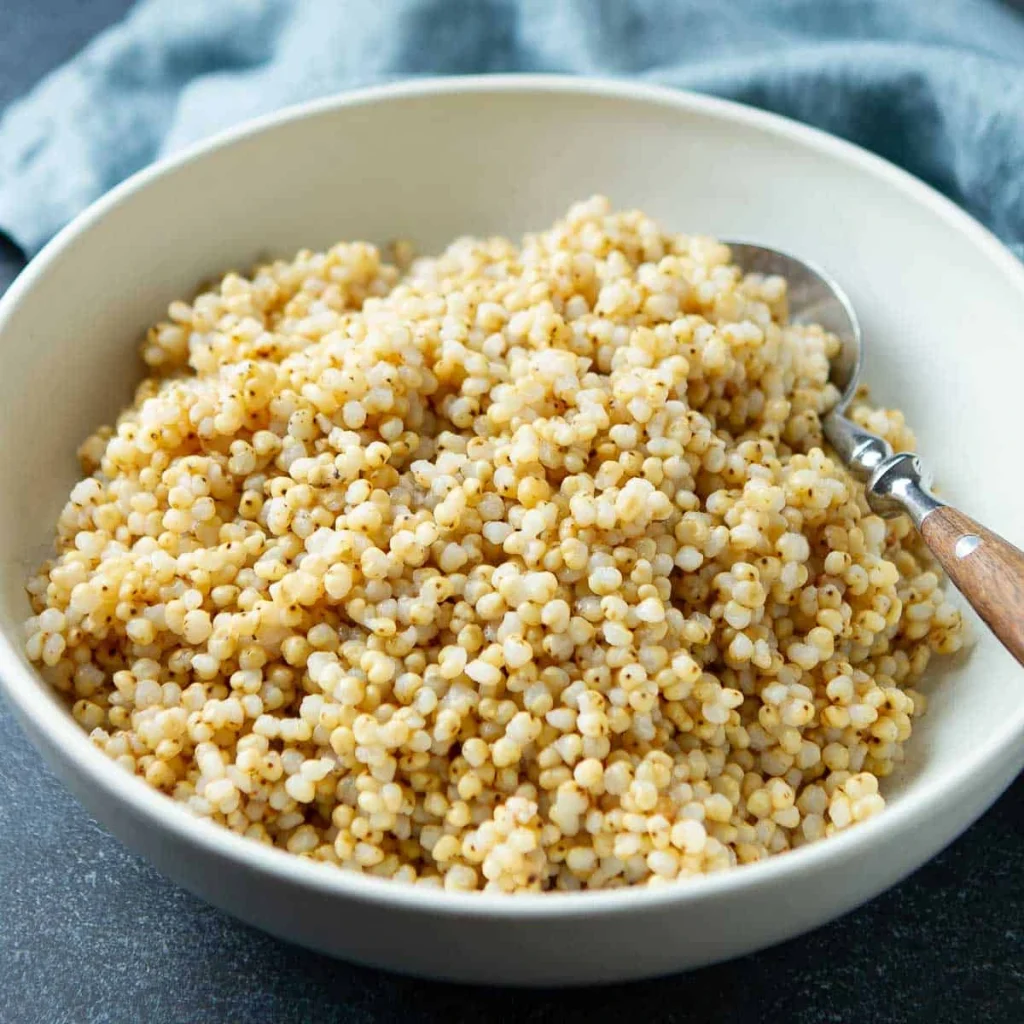
Cooked Grain: Whole sorghum can be boiled like rice and used in salads, pulao, or khichdi.
Porridge: Sorghum flour or grains are cooked with water or milk to make a nutritious porridge.
Snacks: Used to prepare popped sorghum, laddus, biscuits, and other traditional snacks.
Fermented Foods: Sorghum is used in fermented foods and beverages in many cultures.
2. Animal Feed
Sorghum grain and stalks are used as nutritious fodder for cattle, poultry, and other livestock.
3. Industrial Uses
Used in the production of starch, alcohol, biofuel, and adhesives.
Sorghum syrup is made from sweet sorghum varieties.
4. Agricultural Uses
Sorghum stalks are used for fencing, roofing, broom making, and fuel.
Crop residues help improve soil fertility.
5. Health & Special Diets
Ideal for gluten-free diets.
Suitable for diabetic-friendly meals when prepared with minimal processing.
This Article is for Basic Information. Contact a professional doctor before using it.
HAKEEM KARAMAT ULLAH