


Introduction to Spirulina (Arthrospira platensis)
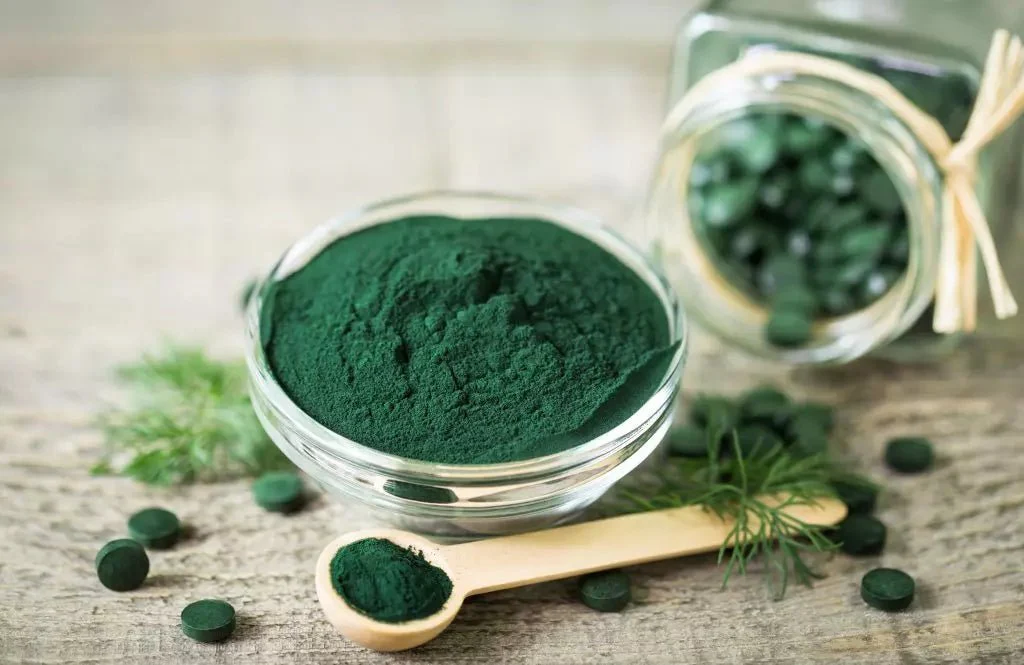
Spirulina, scientifically known as Arthrospira platensis, is a type of cyanobacteria, commonly referred to as blue-green algae. Despite being called algae, it is actually a photosynthetic bacterium that grows naturally in alkaline and warm freshwater lakes. Spirulina has gained worldwide attention due to its nutritional and health-promoting properties.
English: Spirulina
Spanish: Espirulina
French: Spiruline
German: Spirulina
Italian: Spirulina
Portuguese: Spirulina
Russian: Спирулина (Spirulina)
Chinese (Simplified): 螺旋藻 (Luóxuánzǎo)
Japanese: スピルリナ (Supirurina)
Korean: 스피루리나 (Seupirurina)
Hindi: स्पाइरुलिना (Spirulina)
Urdu: سپائرو لائنا (Spirulina)
Arabic: سبيرولينا (Spirulina)
HEALTH BENEFITS:

Extremely Nutrient-Dense
High in protein (60–70% of its weight) with all essential amino acids.
Rich in vitamins, including B1 (thiamine), B2 (riboflavin), B3 (niacin), B6, and B12.
Contains minerals like iron, magnesium, potassium, and calcium.
Loaded with antioxidants, including phycocyanin (gives it a blue-green color).
2. Powerful Antioxidant and Anti-Inflammatory
Phycocyanin fights free radicals and reduces oxidative stress.
Helps protect cells from damage and may reduce chronic inflammation.
3. Boosts Immune System
May increase production of antibodies and immune cells.
Can help the body fight infections and inflammation more effectively.
4. Supports Heart Health
Can lower LDL (bad cholesterol) and triglycerides.
May increase HDL (good cholesterol).
Some studies suggest it helps reduce blood pressure.
5. Natural Detoxification
Helps remove heavy metals, especially arsenic, from the body.
Supports liver health and overall detox processes.
6. Energy and Endurance
Rich in nutrients that support muscle strength and stamina.
May reduce fatigue and improve exercise performance.
7. Supports Gut Health
Can promote the growth of healthy gut bacteria.
May help with digestion and nutrient absorption.
8. May Aid Blood Sugar Control
Some studies suggest it can lower blood sugar levels, which is helpful for prediabetes or type 2 diabetes.
9. Skin and Hair Benefits
Antioxidants protect skin from aging and sun damage.
Nutrients like protein, iron, and vitamins support healthy hair and nails.
10. Potential Anti-Cancer Properties
Lab studies suggest spirulina may reduce cancer risk by boosting antioxidant activity, though more research is needed in humans.
HOW TO USE:
1.Forms of Spirulina
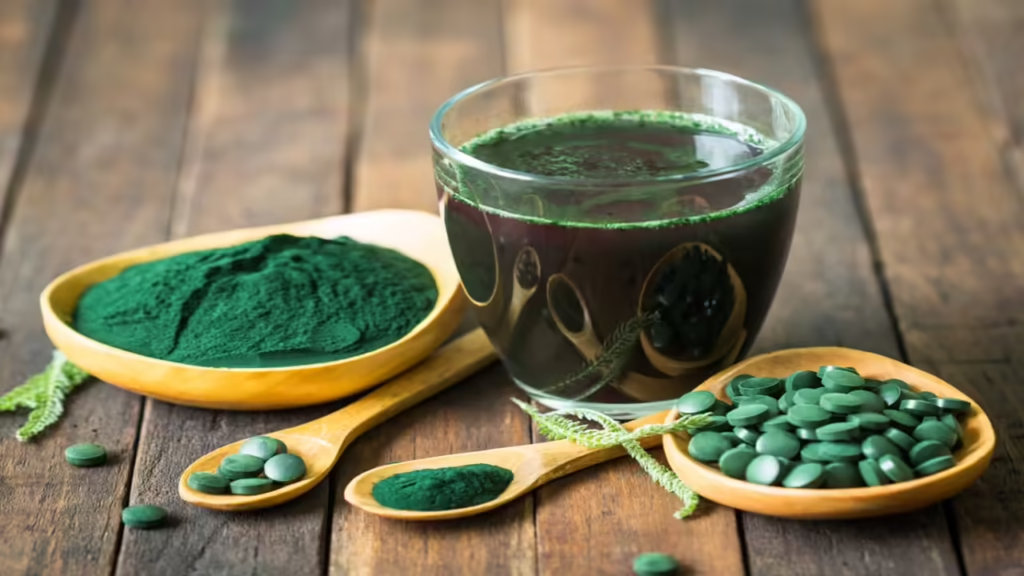
Powder – can be mixed into smoothies, juices, or water.
Tablets / Capsules – convenient for daily supplements.
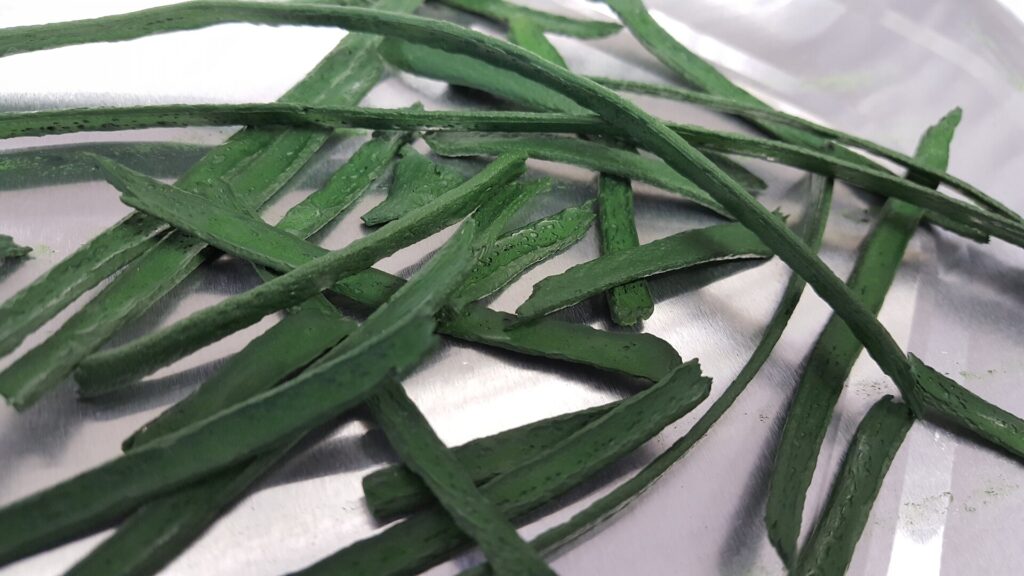
Flakes – sprinkled on salads, soups, or snacks.
2. Recommended Dosage
Typical daily dose: 1–3 grams (start small).
Therapeutic doses: Up to 10 grams per day are used in some studies, but it’s better to start low and increase gradually.
3. How to Take It
Mix with liquids: Add 1 teaspoon (~3 grams) of powder to water, juice, or a smoothie.
Add to foods: Sprinkle on salads, soups, or rice dishes.
Capsules/tablets: Take with water, usually 1–3 capsules per day depending on size.
4. Best Time to Take
Morning or before a workout – can boost energy and focus.
Can be taken with meals for better absorption of nutrients.
5. Tips for Use
Start with a small amount (½ teaspoon or 1 tablet) to see how your body reacts.
Avoid high temperatures – heat can reduce nutrients, so don’t cook it at high heat.
Store in a cool, dry place away from sunlight.
Choose organic, reputable brands to avoid contamination with heavy metals.
This Article is for Basic Information. Contact a professional doctor before using it.
HAKEEM KARAMAT ULLAH