


INTRODUCTION:
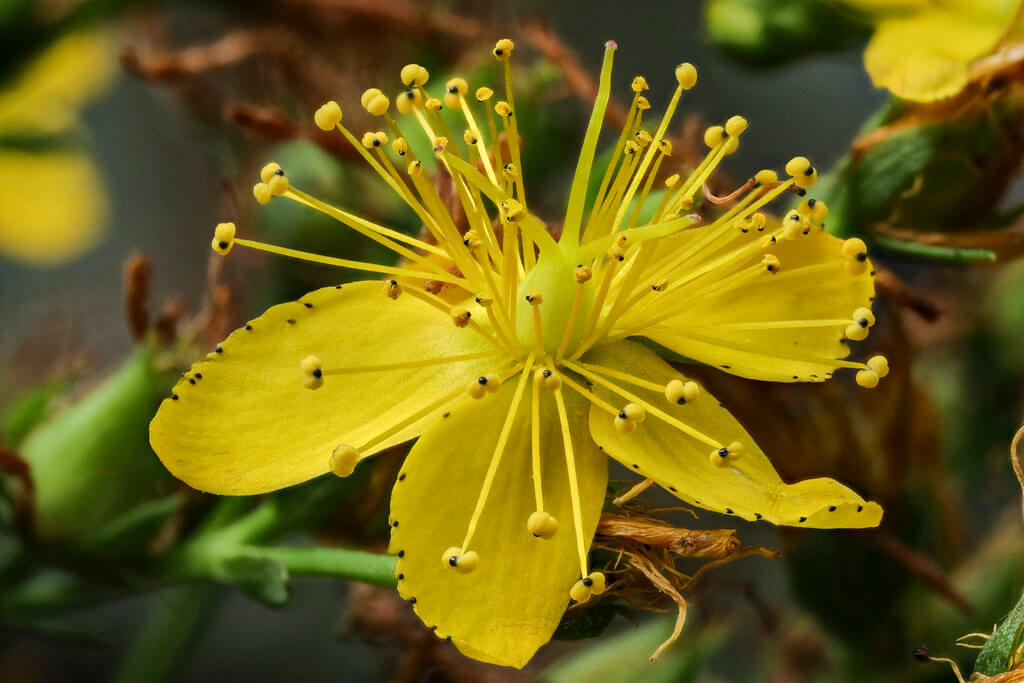
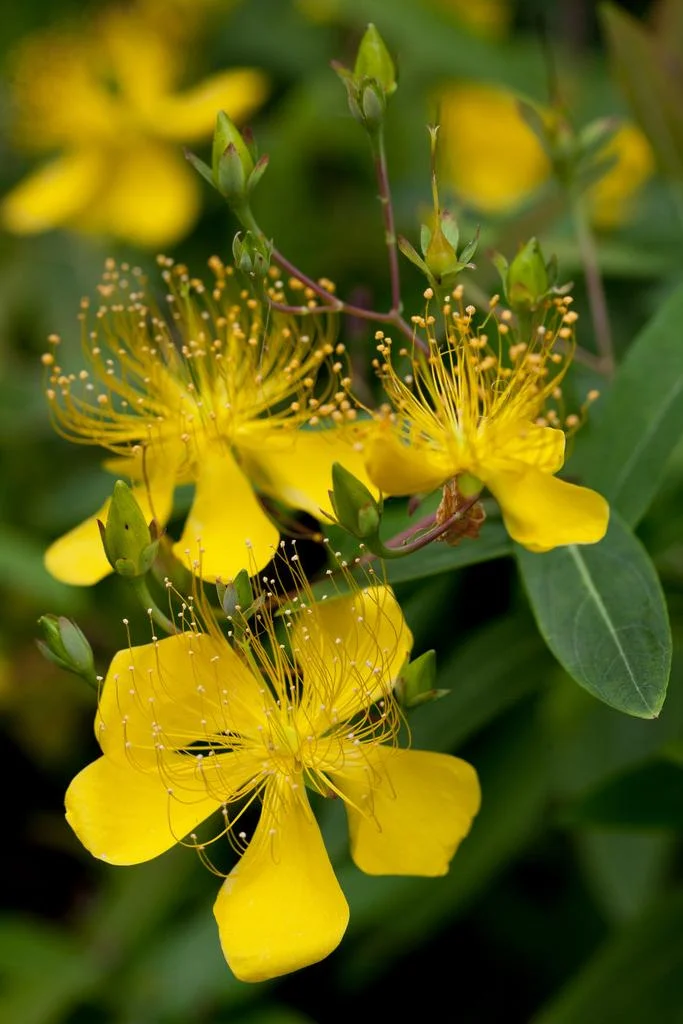
St John’s Wort (Hypericum perforatum) is a flowering plant that has been used in traditional medicine for centuries, particularly in Europe. It is best known for its use in supporting emotional well-being, especially mild to moderate low mood. The plant is named after St John the Baptist, as it typically flowers around late June, near the feast of St John. Its bright yellow flowers and leaves contain active compounds, such as hypericin and hyperforin, which are believed to contribute to its effects. Today, St John’s Wort is commonly available as teas, capsules, tablets, and extracts, and continues to be widely studied for its potential benefits and interactions.
English: St John’s Wort
Latin (scientific): Hypericum perforatum
Urdu: سینٹ جانز وورٹ
(also commonly called) ہائپریکم
Hindi: सेंट जॉन्स वॉर्ट
Arabic: عشبة القديس يوحنا
French: Millepertuis
Spanish: Hierba de San Juan
German: Johanniskraut
Italian: Iperico
Turkish: Sarı kantaron
HEALTH BENEFITS:

Supports emotional well-being
St John’s Wort is most famous for helping people with mild to moderate depression or low mood.
It contains chemicals like hypericin and hyperforin that may affect brain chemicals (like serotonin) which influence mood.
Helps reduce anxiety
It can have a calming effect on the nervous system, helping people feel less anxious or stressed.
Works best for mild anxiety, not severe cases.
Supports better sleep
By improving mood and reducing stress, it can indirectly help people sleep better.
Sometimes used in herbal teas or capsules before bedtime.
Anti-inflammatory properties
Contains natural compounds that can reduce inflammation in the body.
This can be helpful for minor swelling or irritation.
Supports wound healing
Traditional medicine uses St John’s Wort oil or ointments on minor cuts, burns, and skin irritations.
It may help skin heal faster and reduce pain.
Antioxidant effects
Antioxidants protect cells from damage caused by free radicals (harmful molecules in the body).
This may help overall health and prevent some diseases.
May ease nerve discomfort
Some people use it for mild nerve pain, like tingling or numbness.
Works best as a complementary remedy, not a replacement for medical treatment.
Supports overall mental focus
By improving mood and reducing stress, it may also help with concentration and clarity of thought.
Some studies suggest it can support brain function in daily tasks.
HOW TO USE
1. Forms of St John’s Wort
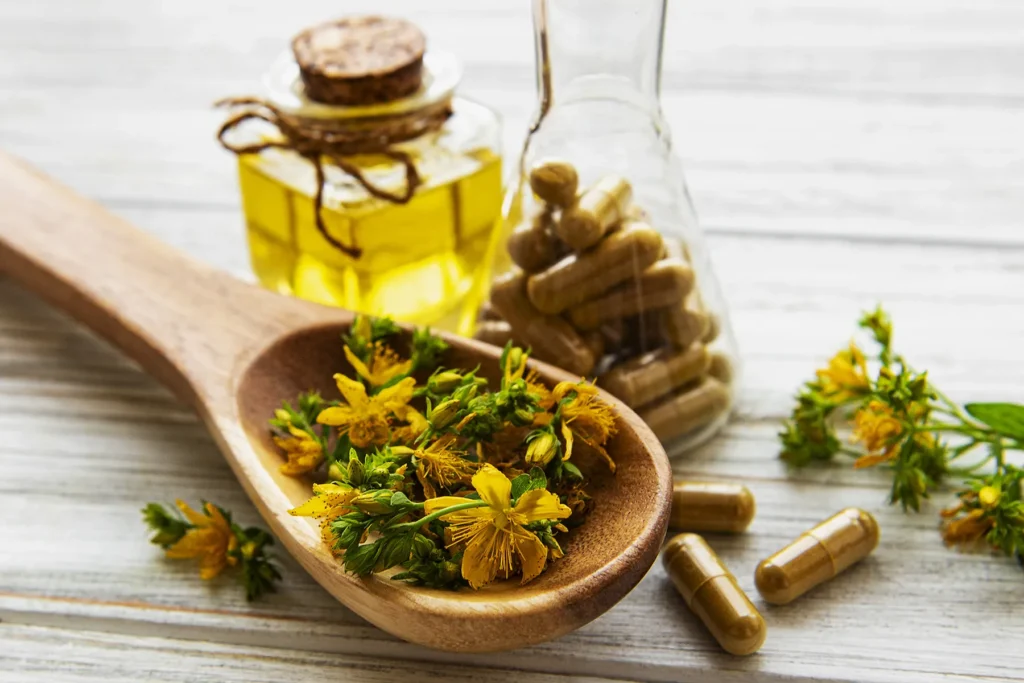
Capsules or Tablets – Most common for mood support.
Teas or Infusions – Made from dried flowers and leaves.
Liquid Extracts or Tinctures – Concentrated form, added to water or juice.
Oils or Creams – Applied to the skin for minor cuts, burns, or irritations.
For mood support
Usually taken orally in capsules, tablets, or tea.
Often once or twice a day, depending on product instructions.
For sleep or anxiety
Taken in the evening as a tea or capsule.
For skin problems or minor wounds
Apply St John’s Wort oil or cream directly to the affected area 1–2 times daily.
3. Important Guidelines
Always follow the dosage on the product label or a doctor’s advice.
Can take several weeks to see benefits for mood.
Avoid direct sun exposure on skin when using oil or cream; it may make skin sensitive.
Do not combine with certain medications (antidepressants, birth control, blood thinners) without medical advice.
This Article is for Basic Information. Contact a professional doctor before using it.
HAKEEM KARAMAT ULLAH