



Introduction
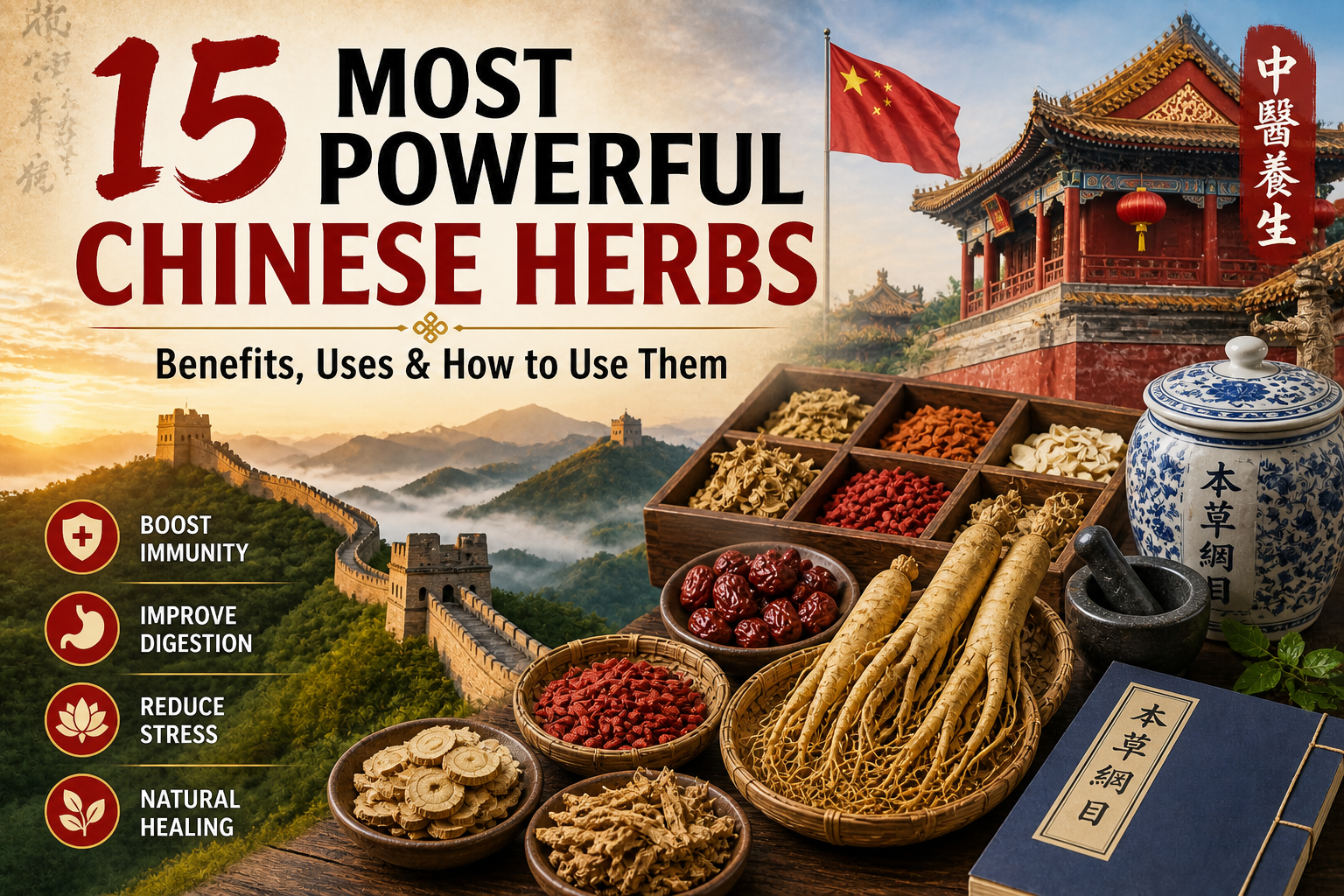
Chinese herbal medicine is one of the oldest and most respected healing systems in the world. Rooted in Traditional Chinese Medicine (TCM), it emphasizes balance, prevention, and natural healing by regulating the body’s energy (Qi), Yin-Yang harmony, and organ function.In 2026, Chinese herbs are gaining massive global popularity due to their effectiveness in boosting immunity, improving digestion, reducing stress, and supporting overall wellness. This guide explores the 15 most powerful Chinese herbs, their benefits, and practical ways to use them.
TOP 15 MOST POWERFULL HERBS
1. Ginseng (Ren Shen)
Scientific Name: Panax ginseng
Benefits
- Boosts energy and stamina
- Enhances brain function
- Strengthens immunity
How to Use
- Brew as tea
- Take in capsule or powder form
- Add to soups for vitality
2. Ginger (Sheng Jiang)
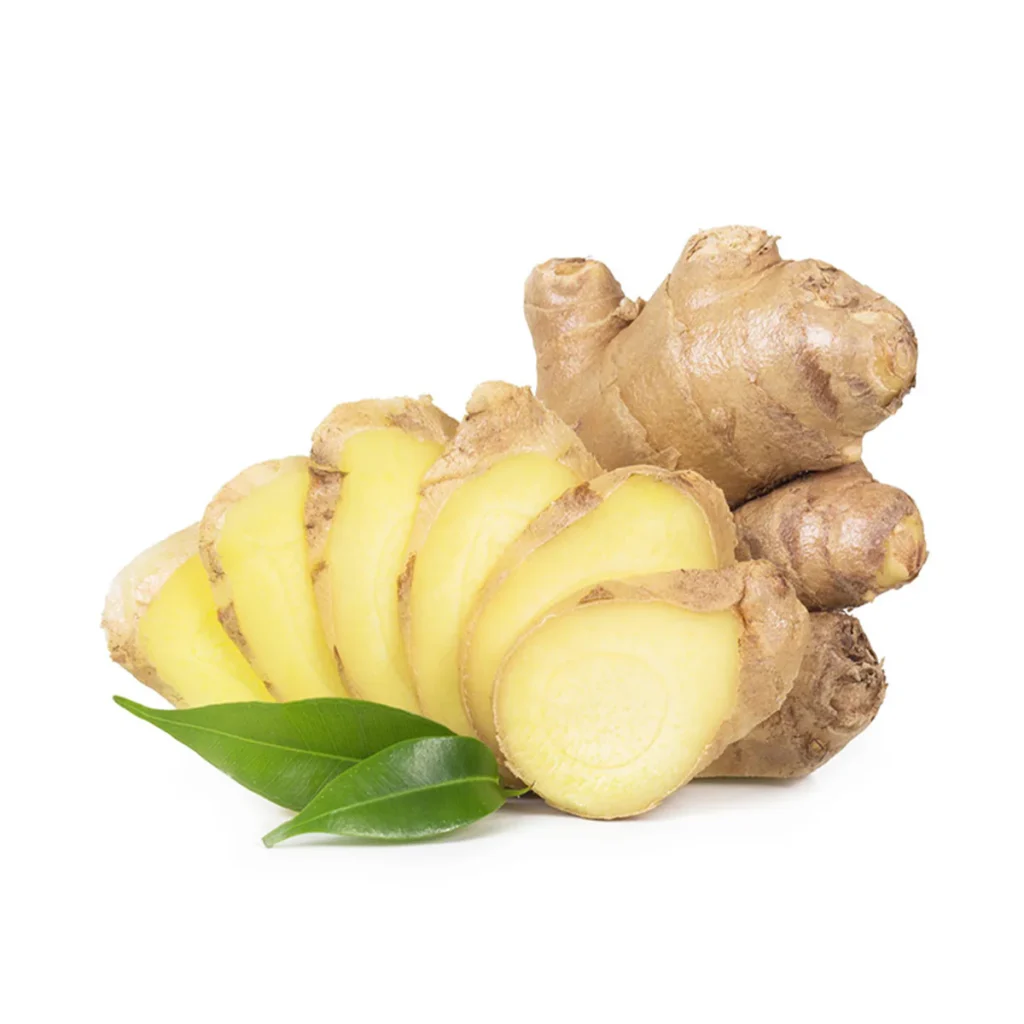
Scientific Name: Zingiber officinale
Benefits
- Aids digestion
- Relieves nausea
- Reduces inflammation
How to Use
- Drink as fresh ginger tea
- Use in cooking
- Add to herbal decoctions
3. Goji Berry (Gou Qi Zi)
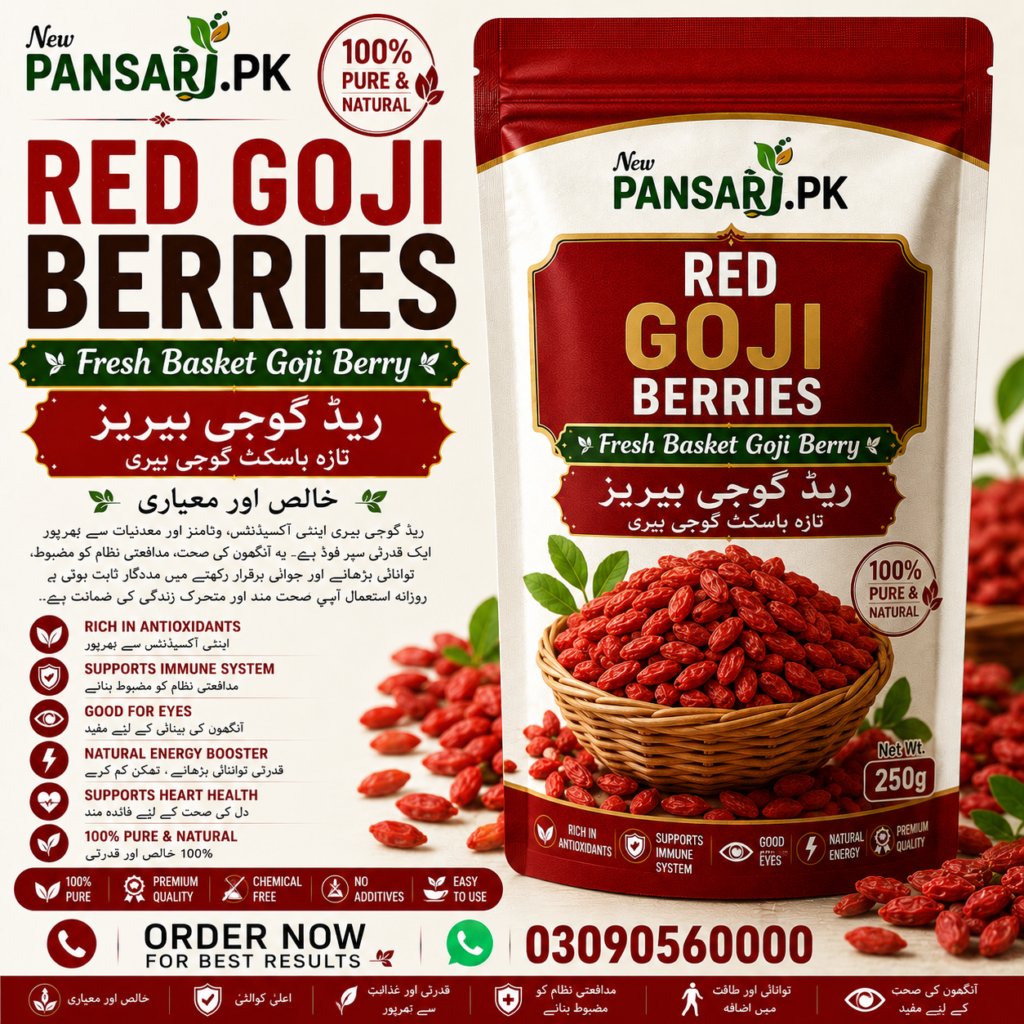
Scientific Name: Lycium barbarum
Benefits
- High in antioxidants
- Supports eye health
- Boosts immune system
How to Use
- Eat dried as a snack
- Add to smoothies or tea
4. Astragalus (Huang Qi)
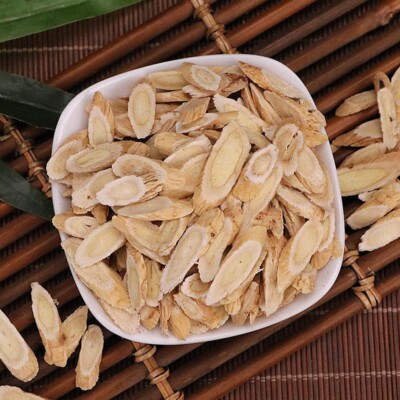
Scientific Name: Astragalus membranaceus
Benefits
- Strengthens immunity
- Supports heart health
- Anti-aging properties
How to Use
- Boil in soups
- Use in herbal teas
5. Licorice Root (Gan Cao)
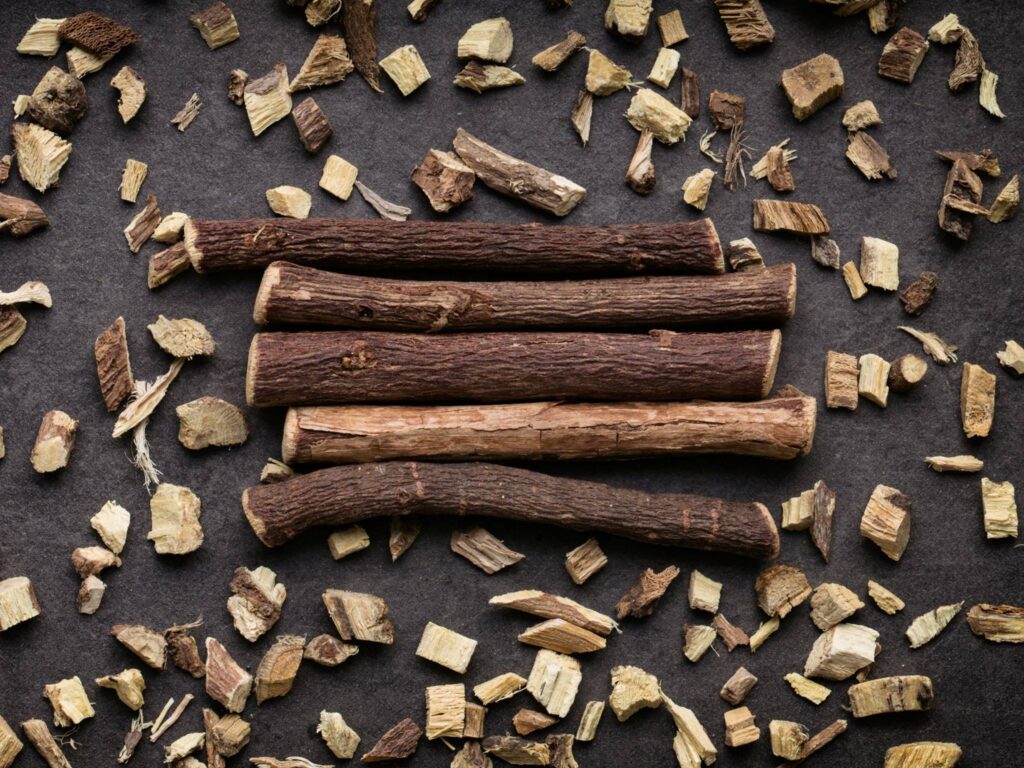
Scientific Name: Glycyrrhiza glabra
Benefits
- Soothes sore throat
- Supports digestion
- Balances herbal formulas
How to Use
- Prepare as tea
- Use powdered form
6. Reishi Mushroom (Lingzhi)
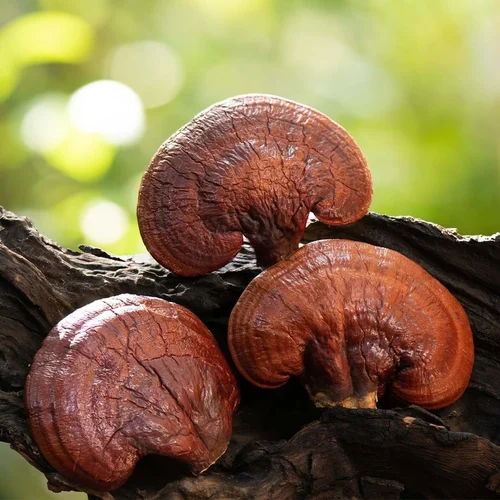
Scientific Name: Ganoderma lucidum
Benefits
- Boosts immunity
- Reduces stress
- Supports liver function
How to Use
- Drink as tea
- Take as capsules or extracts
7. Turmeric (Jiang Huang)
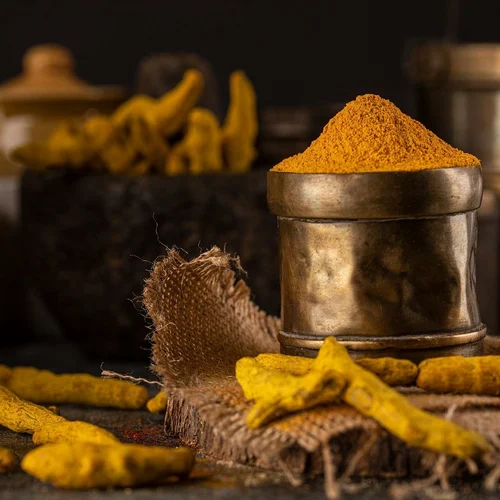
Scientific Name: Curcuma longa
Benefits
- Anti-inflammatory
- Supports joint health
- Detoxifies the liver
How to Use
- Add to milk or tea
- Use in cooking
8. Dong Quai (Angelica Sinensis)
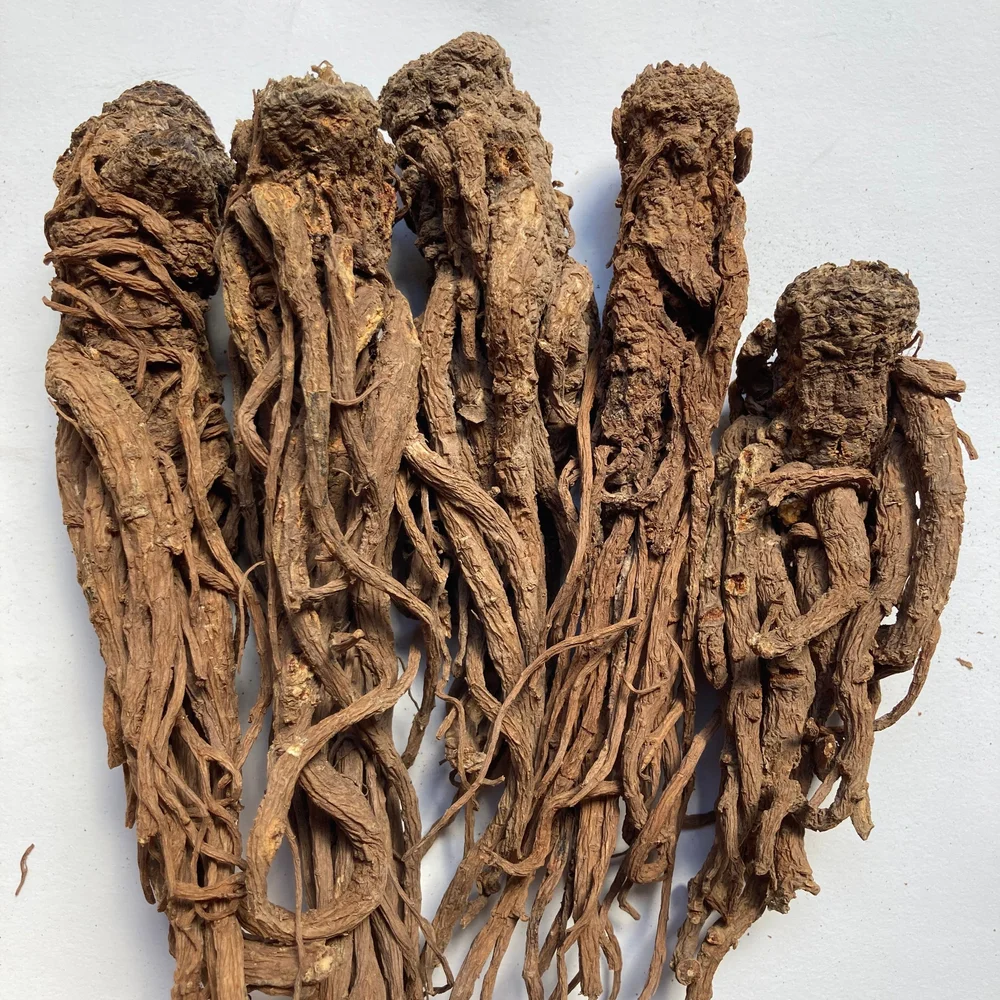
Scientific Name: Angelica sinensis
Benefits
- Supports women’s health
- Improves blood circulation
- Helps hormonal balance
How to Use
- Herbal tea
- Capsules or extracts
9. Chinese Cinnamon (Rou Gui)
Scientific Name: Cinnamomum cassia
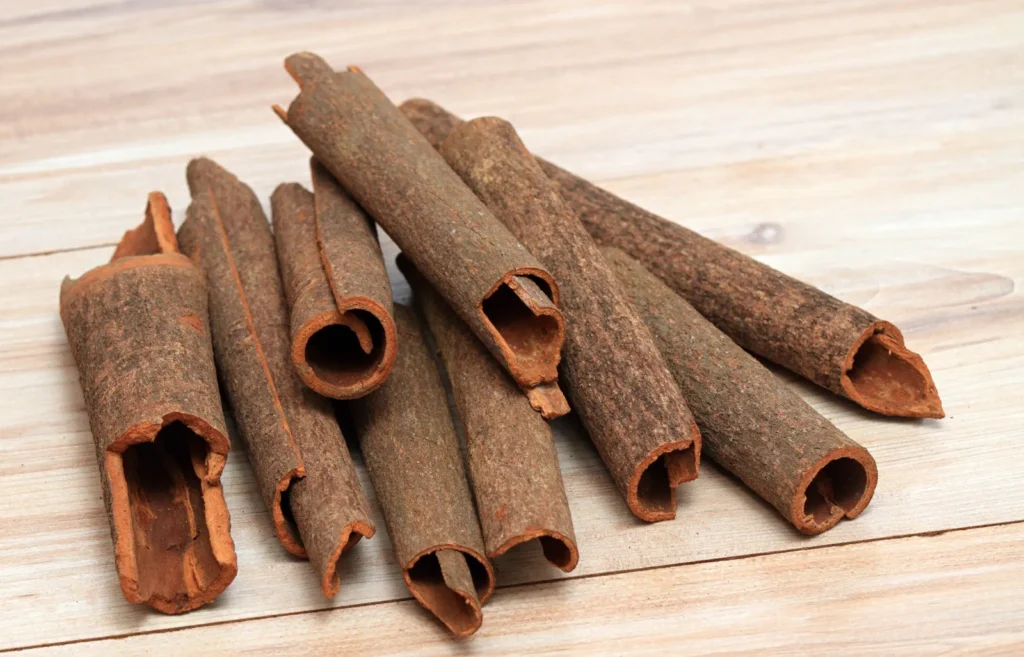
Benefits
- Improves circulation
- Supports metabolism
- Warms the body
How to Use
- Add to tea
- Use as spice in meals
10. Schisandra (Wu Wei Zi)
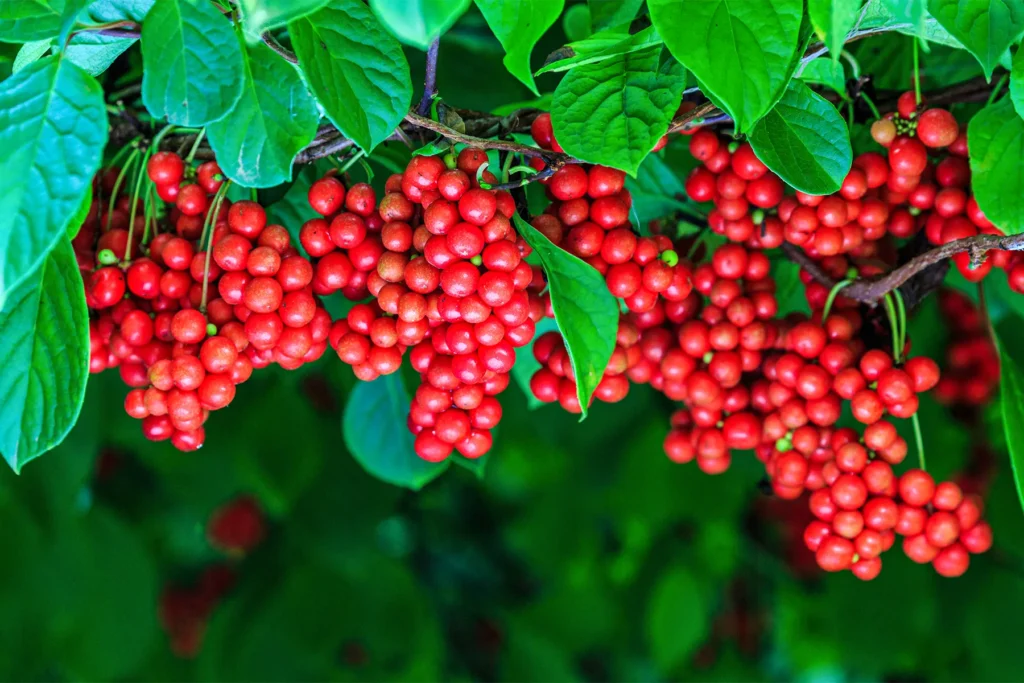
Scientific Name: Schisandra chinensis
Benefits
- Supports liver health
- Boosts endurance
- Reduces stress
How to Use
- Drink as tea
- Take powder or capsules
11. Chrysanthemum (Ju Hua)
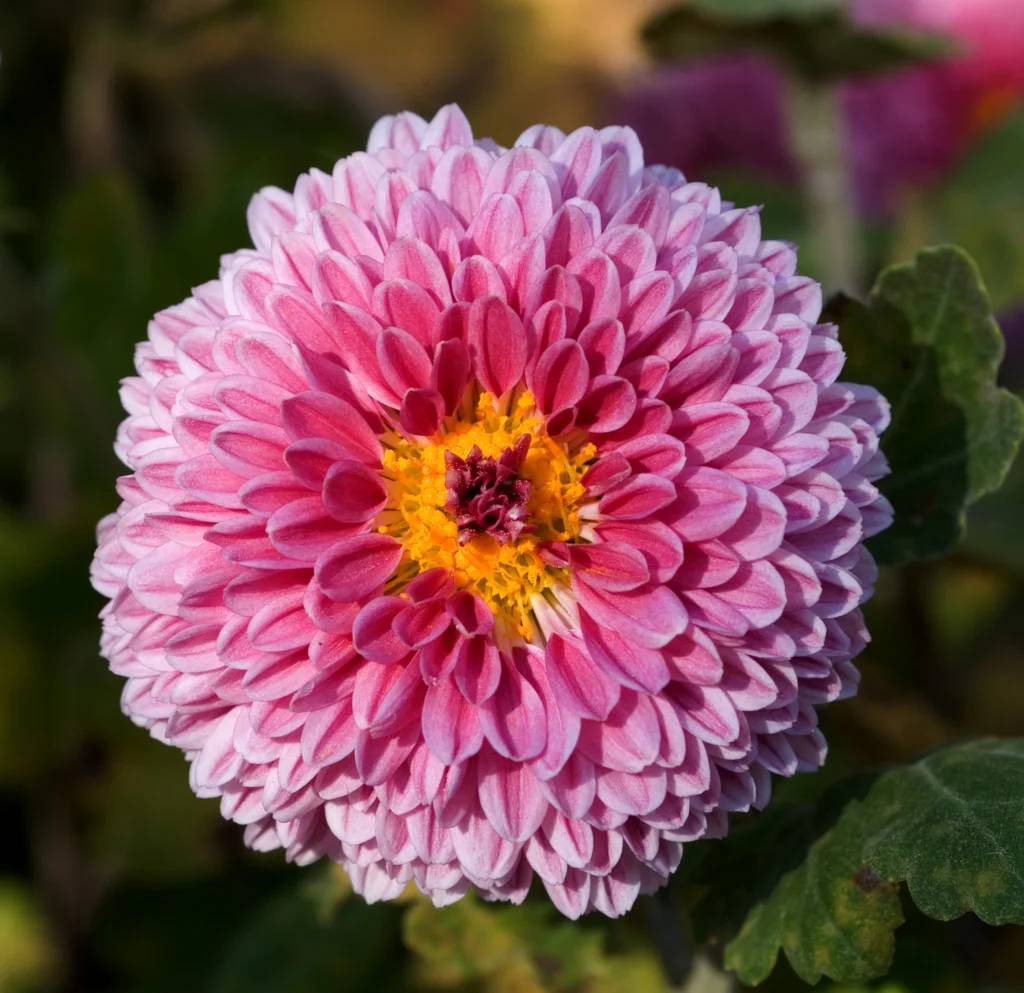
Scientific Name: Chrysanthemum morifolium
Benefits
- Cools the body
- Supports eye health
- Helps reduce fever
How to Use
- Brew flower tea
12. Peppermint (Bo He)
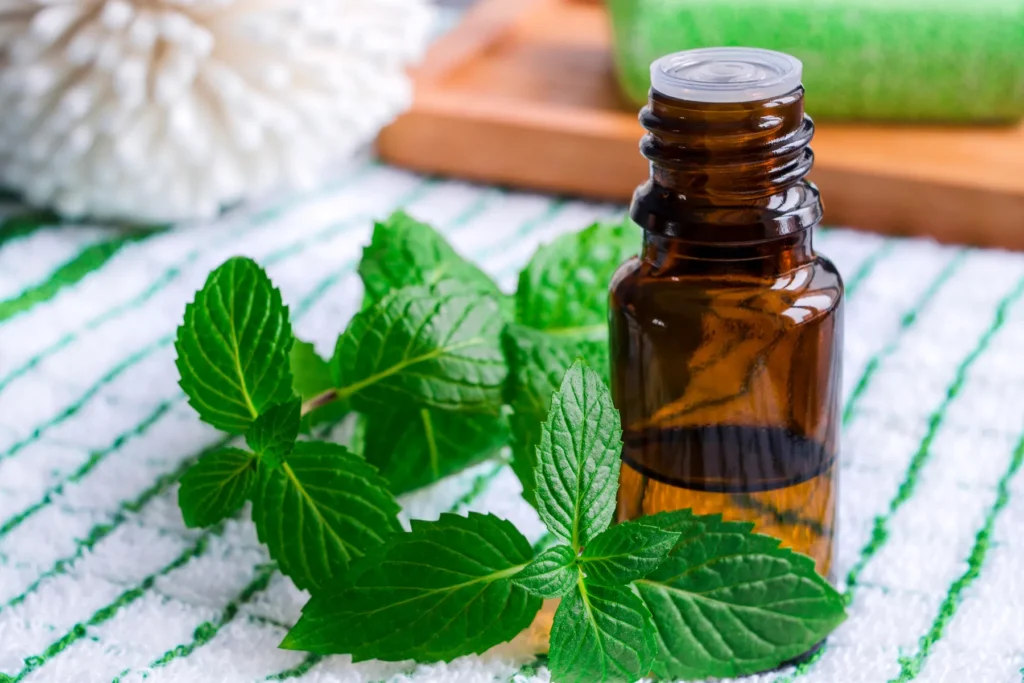
Scientific Name: Mentha haplocalyx
Benefits
- Relieves headaches
- Improves digestion
- Refreshes the body
How to Use
- Drink as tea
- Use fresh leaves
13. Chinese Skullcap (Huang Qin)
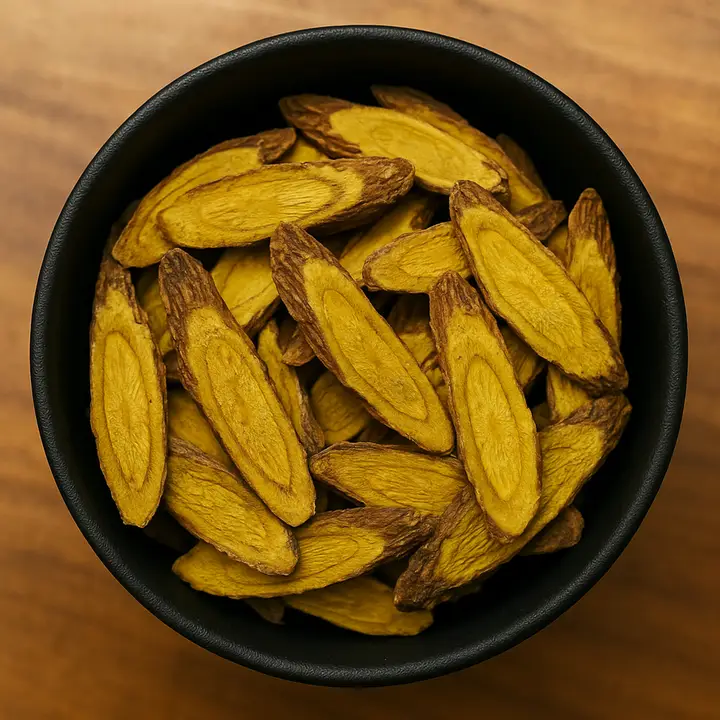
Scientific Name: Scutellaria baicalensis
Benefits
- Anti-inflammatory
- Supports liver
- Antibacterial effects
How to Use
- Herbal decoction
- Capsules
14. Lotus Seed (Lian Zi)
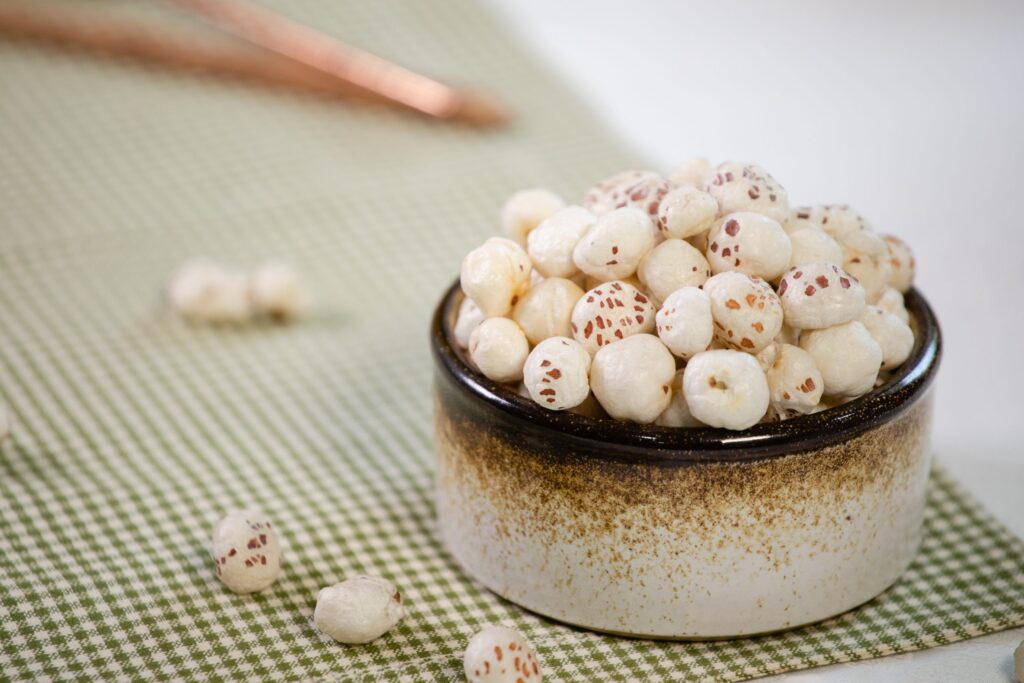
Scientific Name: Nelumbo nucifera
Benefits
- Supports digestion
- Improves sleep
- Strengthens kidneys
How to Use
- Add to soups
- Use in traditional dishes
15. Hawthorn Berry (Shan Zha)
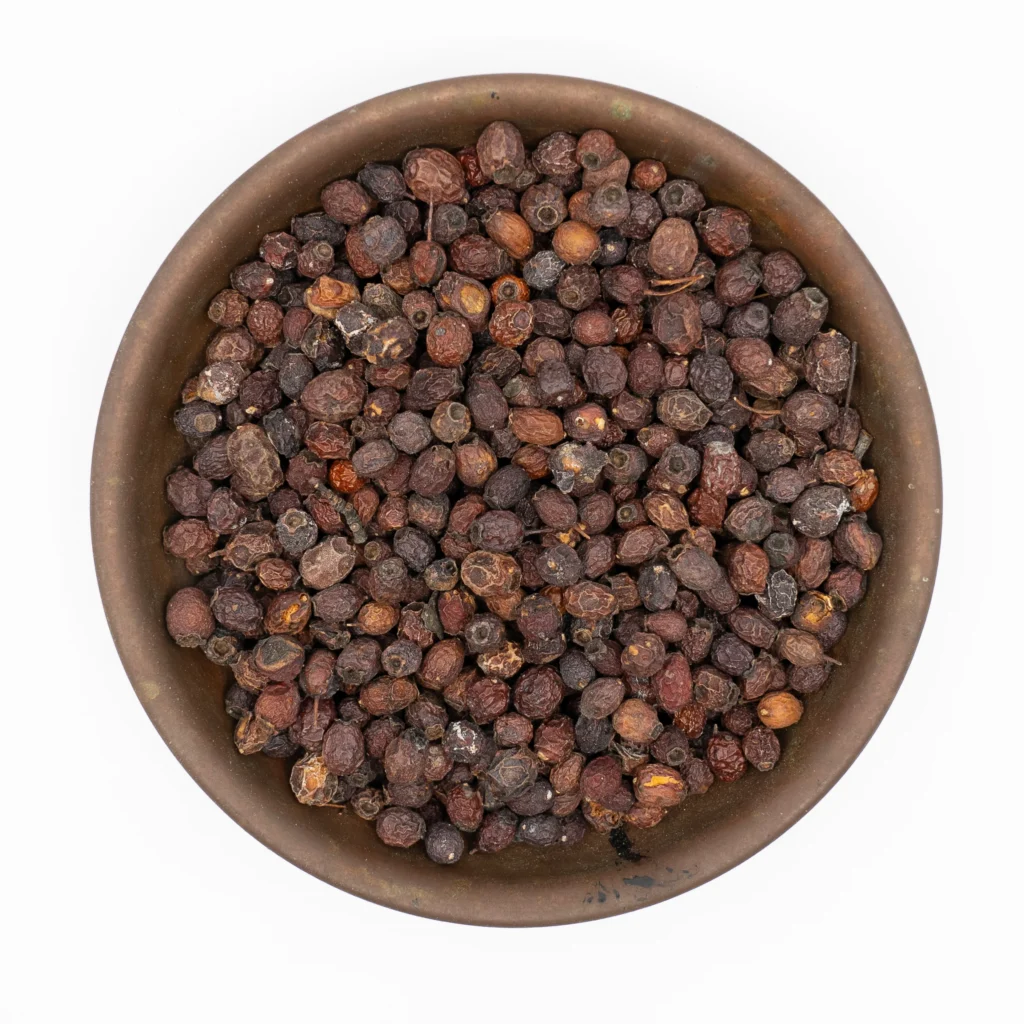
Scientific Name: Crataegus pinnatifida
Benefits
- Supports heart health
- Aids digestion
- Helps manage cholesterol
How to Use
- Drink as tea
- Use extracts
How Chinese Herbs Work
In Traditional Chinese Medicine, herbs are often combined into formulas rather than used individually. These combinations are designed to:
- Balance Yin and Yang
- Strengthen Qi (life energy)
- Target specific organ systems
This holistic approach is what makes Chinese herbal medicine unique and highly effective.
Safety Tips for Using Chinese Herbs
- Consult a qualified herbal practitioner before use
- Avoid excessive doses
- Check for allergies or interactions
- Pregnant or breastfeeding women should seek medical advice
Conclusion
Chinese herbs remain a cornerstone of natural healing in 2026. From energy-boosting ginseng to calming chrysanthemum, these herbs offer a wide range of health benefits backed by centuries of use in Traditional Chinese Medicine.By incorporating these herbs into your daily routine responsibly, you can support immunity, improve digestion, reduce stress, and enhance overall wellness naturally.