



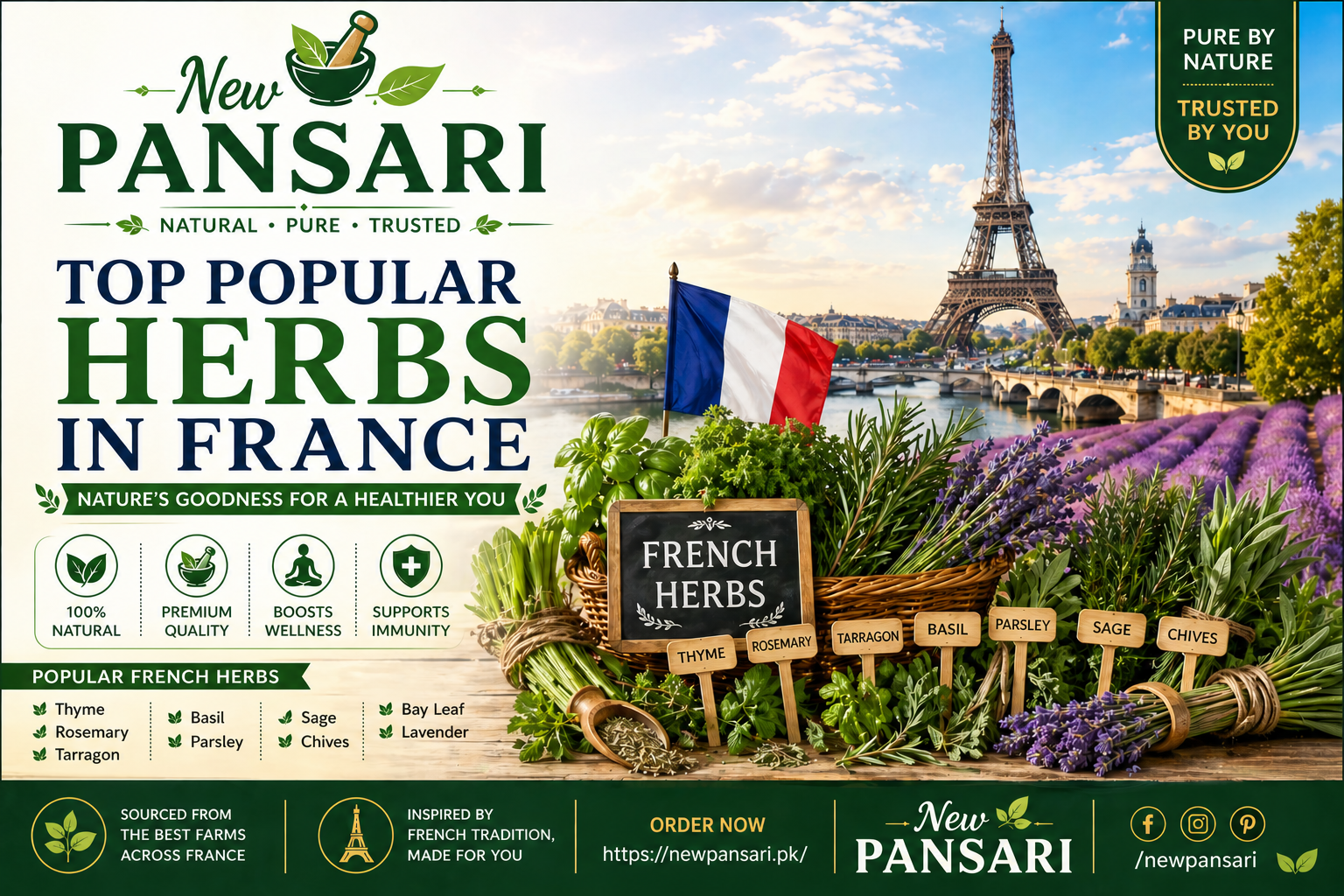
France is globally renowned for its refined cuisine, rich culinary traditions, and deep appreciation for natural flavors. At the heart of French cooking lies a powerful yet often understated element—herbs. From rustic countryside dishes to Michelin-starred creations, herbs play a critical role in defining the taste, aroma, and health benefits of French food. In 2026, the demand for fresh, organic, and medicinal herbs in France continues to grow, driven by wellness trends and a renewed interest in natural living.This comprehensive guide explores the most popular herbs in France, their uses in cooking and health, and why they are trending today.
Why Herbs Are Essential in French Cuisine
French cuisine is built on balance and subtlety. Unlike heavily spiced dishes, French recipes often rely on herbs to enhance natural flavors rather than overpower them. Herbs are used in:
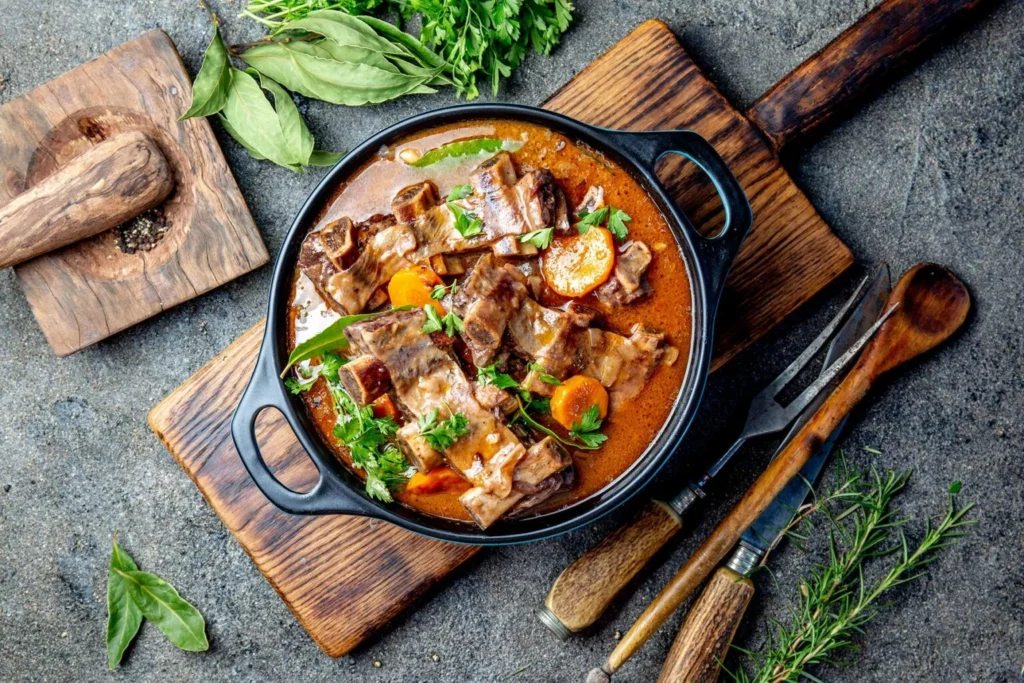
- Sauces and marinades
- Soups and stews
- Meat and seafood dishes
- Herbal teas and remedies
Blends like Herbes de Provence showcase how multiple herbs combine to create signature French flavors.
Top Popular Herbs in France
1. Thyme (Thym)
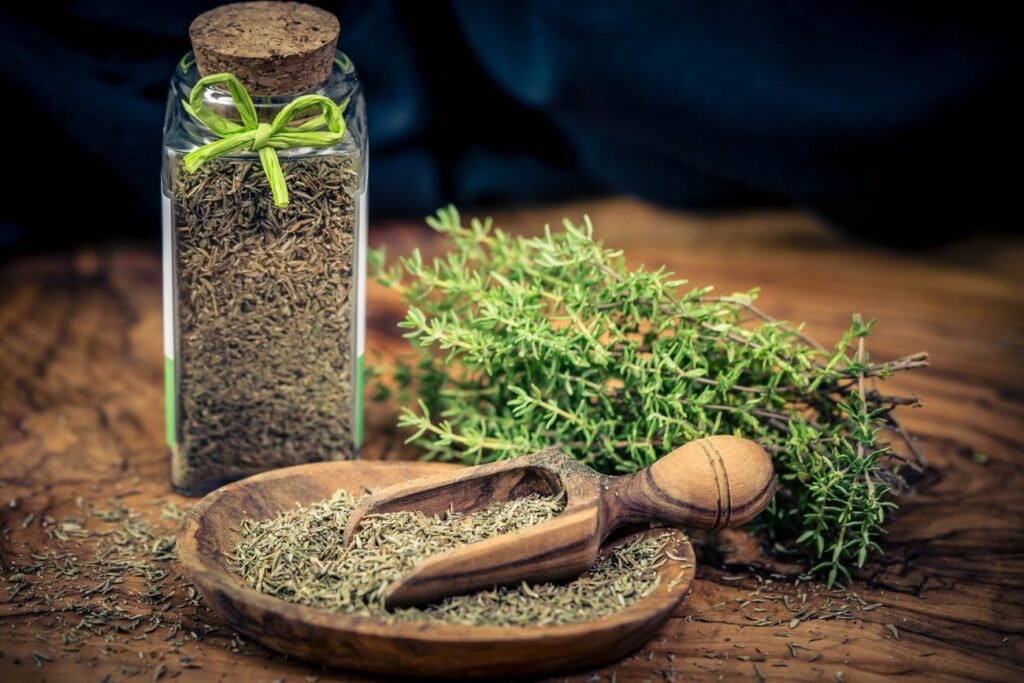
Thyme is one of the most widely used herbs in France, especially in southern regions.
Uses:
- Flavoring meats, poultry, and vegetables
- Key ingredient in bouquet garni
- Used in soups and stews
Health Benefits:
- Supports respiratory health
- Rich in antioxidants
- Helps fight infections
2. Rosemary (Romarin)
Known for its strong aroma, rosemary is a staple in Mediterranean French cooking.
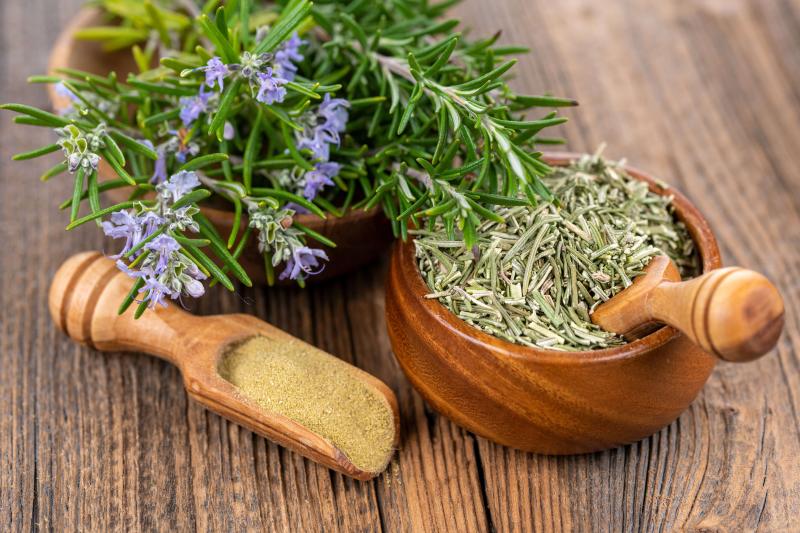
Uses:
- Roasted meats and potatoes
- Infused oils and sauces
- Grilled dishes
Benefits:
- Improves digestion
- Boosts memory and concentration
- Anti-inflammatory properties
3. Tarragon (Estragon)
A signature herb in French cuisine, especially in classic sauces.
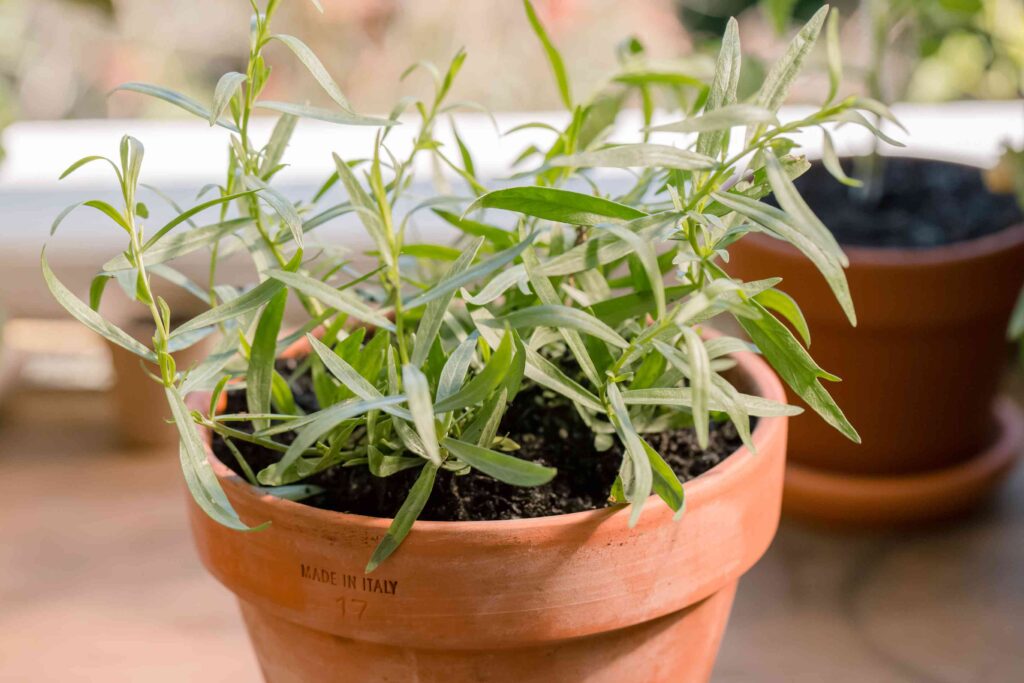
Uses:
- Béarnaise sauce
- Chicken and fish dishes
- Salad dressings
Benefits:
- Aids digestion
- Supports sleep
- Rich in vitamins
4. Parsley (Persil)
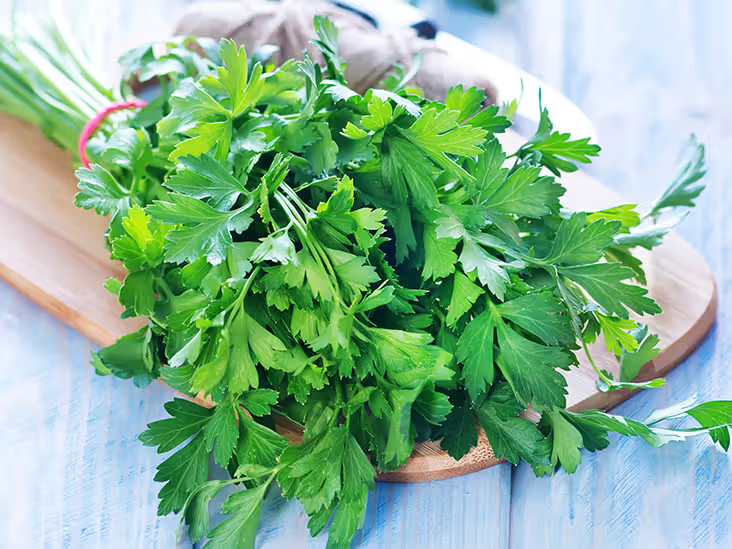
One of the most versatile herbs in France.
Uses:
- Garnishing dishes
- Salads and sauces
- Garlic-parsley butter (beurre persillé)
Benefits:
- Detoxifies the body
- High in Vitamin C and K
- Supports kidney health
5. Basil (Basilic)
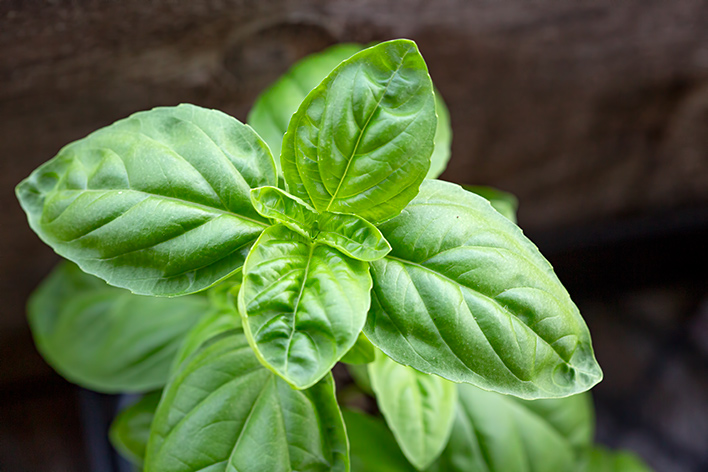
Popular in southern France, especially near the Mediterranean.
Uses:
- Salads and pasta
- Pesto sauces
- Tomato-based dishes
Benefits:
- Anti-inflammatory
- Supports heart health
- Boosts immunity
6. Bay Leaf (Laurier)
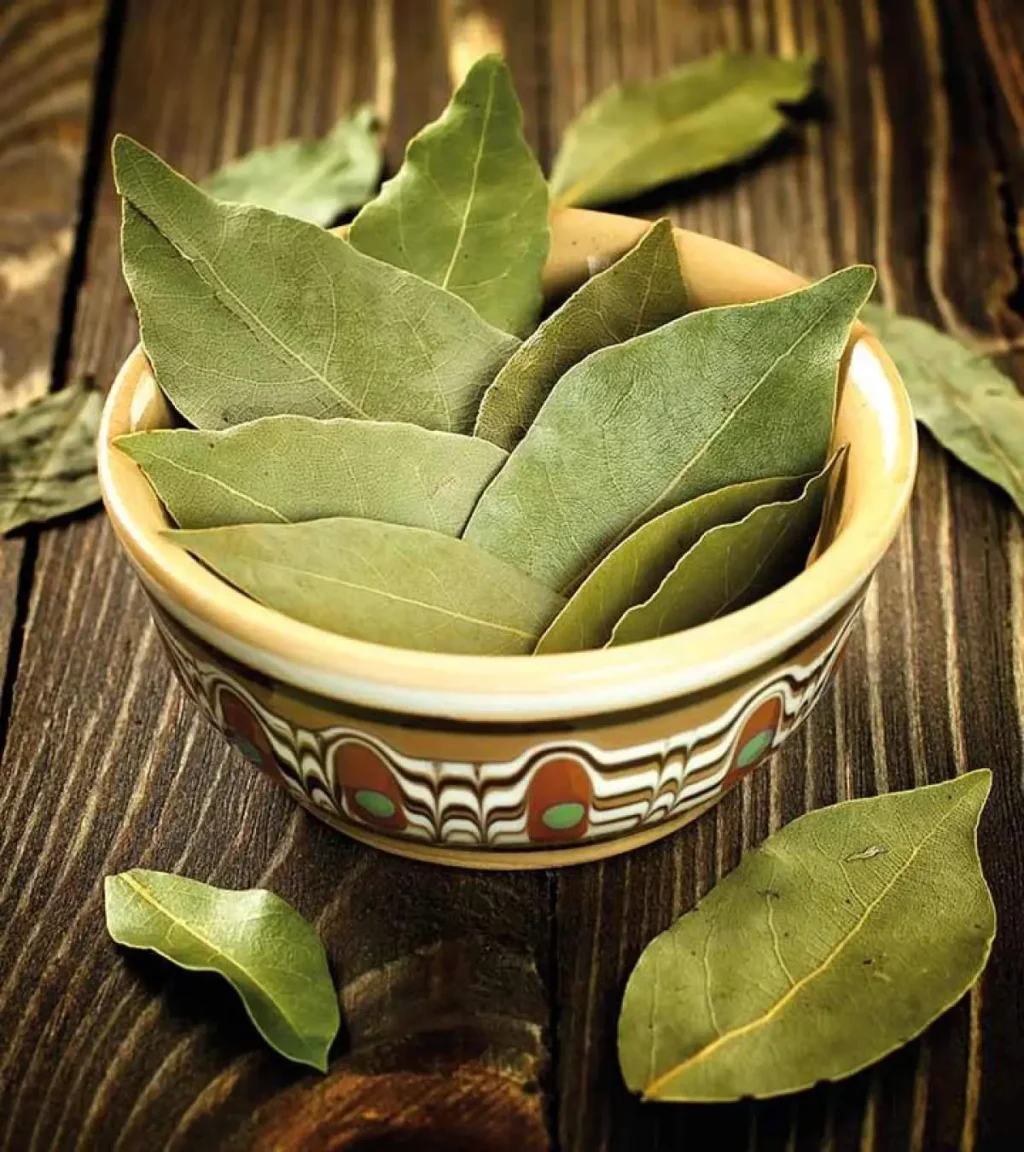
A key herb in slow-cooked French dishes.
Uses:
- Soups and stews
- Meat broths
- Sauces
Benefits:
- Improves digestion
- Helps control blood sugar
- Anti-bacterial
7. Chives (Ciboulette)
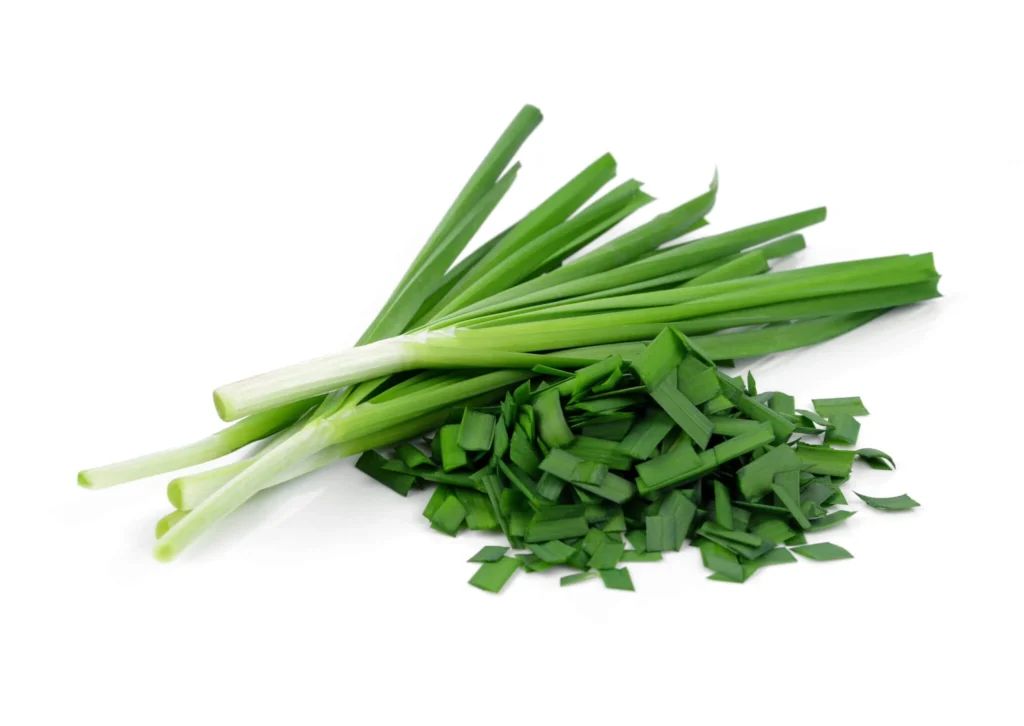
A mild herb commonly used fresh.
Uses:
- Omelets and eggs
- Cream-based sauces
- Garnishing
Benefits:
- Supports immune system
- Good source of antioxidants
- Promotes healthy skin
8. Sage (Sauge)
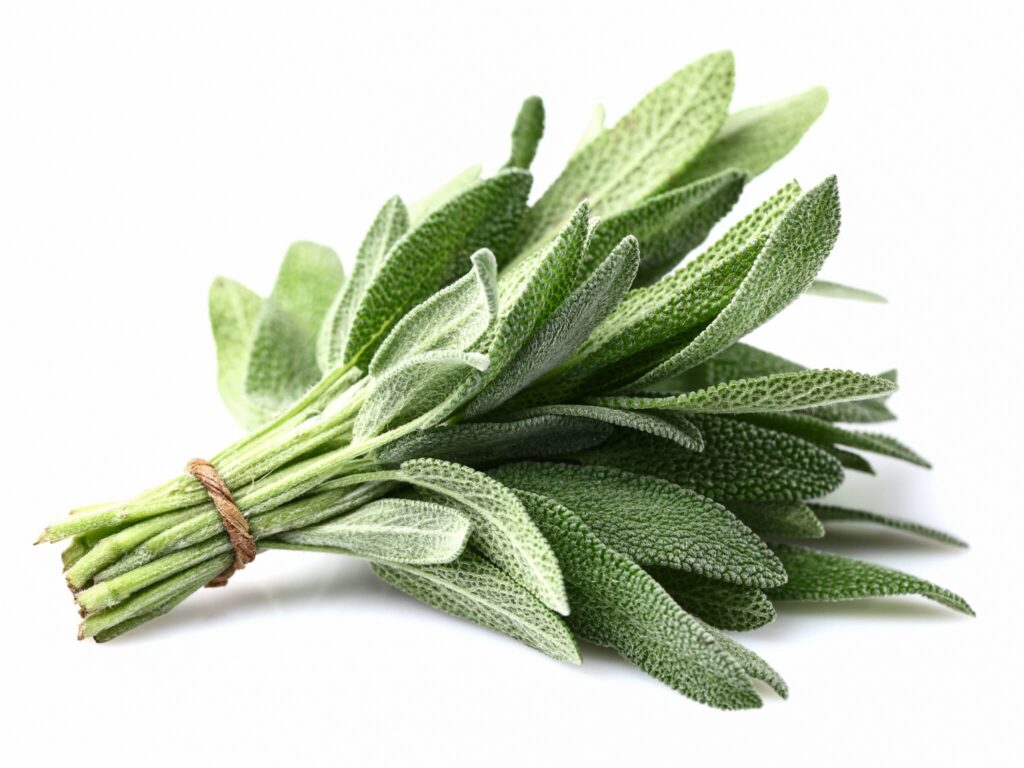
Less common but still important in traditional French cooking.
Uses:
- Stuffing and meats
- Herbal teas
- Butter sauces
Benefits:
- Supports brain health
- Reduces inflammation
- Helps digestion
Famous French Herb Blends
Herbs of Provence
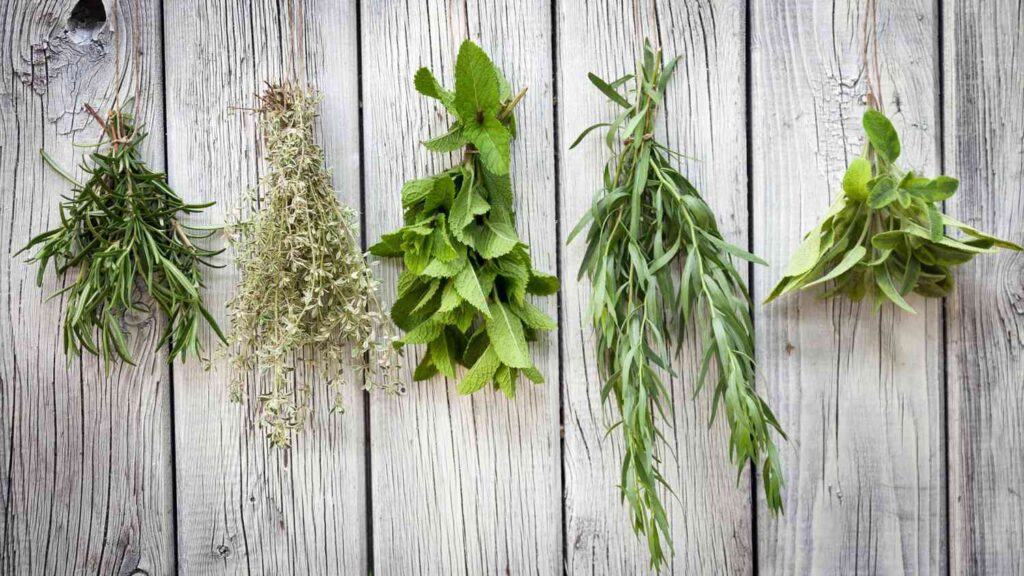
A classic mix of:
- Thyme
- Rosemary
- Oregano
- Basil
- Lavender (optional)
Used in grilled meats, vegetables, and Mediterranean dishes.
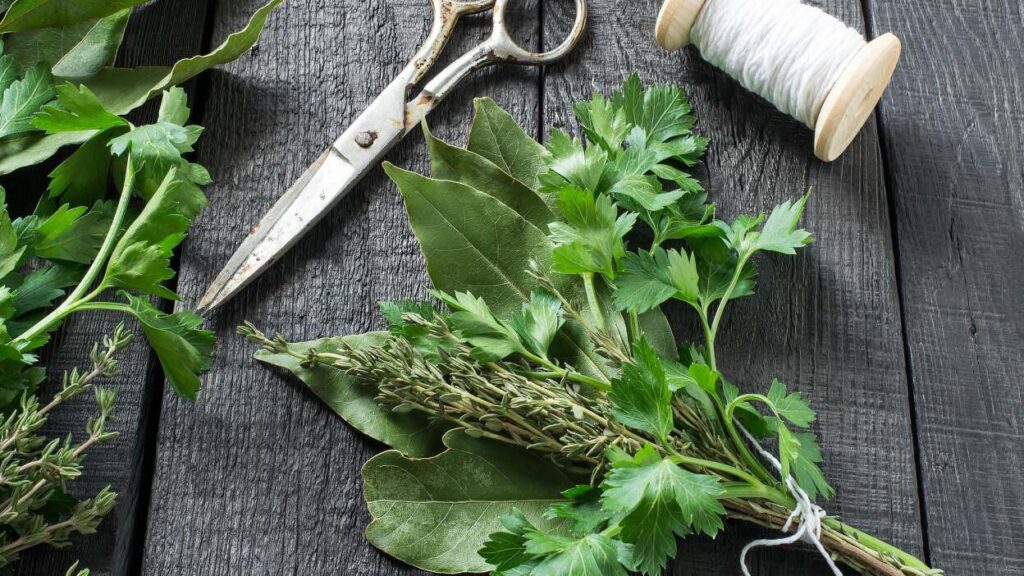
Garnished Bouquet
A bundle of herbs typically including:
- Thyme
- Bay leaf
- Parsley
Used to flavor soups and stews, then removed before serving.
Herb Trends in France (2026)
In 2026, several trends are shaping the herb market in France:
1. Organic & Sustainable Herbs
Consumers prefer pesticide-free herbs grown locally.
2. Medicinal Herb Usage
Herbs are increasingly used for:
- Immunity boosting
- Stress relief
- Digestive health
3. Home Gardening
Urban gardening and balcony herb kits are becoming popular.
4. Herbal Teas & Wellness Drinks
Infusions made from thyme, sage, and rosemary are trending.
Where to Buy Herbs in France

Herbs are widely available across France in:
- Local farmers’ markets
- Organic stores
- Supermarkets
- Online herbal shops
Fresh herbs are preferred for cooking, while dried herbs are used for convenience and longer shelf life.
How to Use French Herbs in Daily Cooking
Here are simple ways to incorporate French herbs into your meals:
- Add thyme and bay leaf to soups
- Use rosemary for roasted chicken
- Mix parsley with garlic for sauces
- Add basil to salads and pasta
- Use tarragon in creamy dressings
Health Benefits of French Herbs

French herbs are not just for flavor—they offer powerful health benefits:
- Boost immunity
- Improve digestion
- Reduce inflammation
- Support heart health
- Detoxify the body
Regular use of herbs can contribute to a healthier lifestyle naturally.
Conclusion
Herbs are the backbone of French cuisine and a vital part of the country’s cultural and culinary identity. From thyme and rosemary to tarragon and basil, each herb brings unique flavors and health benefits. In 2026, the popularity of herbs in France continues to rise as people embrace natural, organic, and health-focused lifestyles.Whether you’re a food lover, chef, or health enthusiast, incorporating French herbs into your daily routine can elevate both your meals and your well-being.


 with their uses, health benefits, and role in French cuisine. Explore premium natural herbs from New Pansari.)