



Introduction
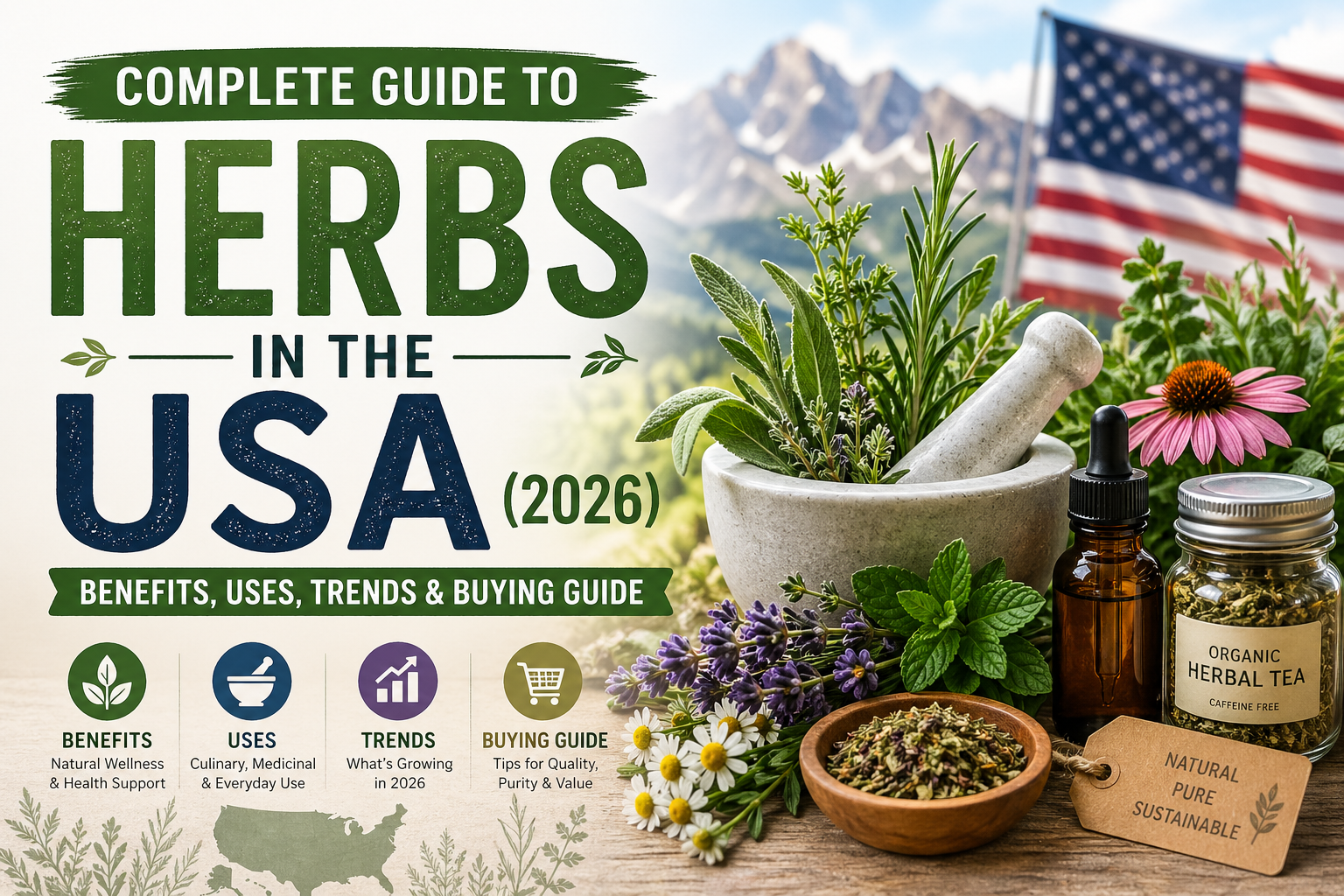
Herbs are no longer just optional ingredients in American kitchens—they are now central to health, wellness, and lifestyle choices across the United States. In 2026, the demand for herbs has surged due to growing awareness of natural remedies, plant-based nutrition, and preventive healthcare. From herbal teas and supplements to fresh culinary herbs, Americans are embracing botanicals as part of daily life.
This comprehensive SEO guide explores everything you need to know about herbs in the USA, including their types, benefits, uses, market trends, and how to choose high-quality herbs.
What Are Herbs?
Herbs are plants valued for their medicinal, culinary, or aromatic properties. They have been used for thousands of years in traditional medicine systems like Ayurveda and Traditional Chinese Medicine, and today they are widely integrated into modern American health practices.
Main Types of Herbs
- Culinary Herbs: Basil, parsley, rosemary, thyme
- Medicinal Herbs: Ashwagandha, echinacea, ginseng
- Aromatic Herbs: Lavender, peppermint, chamomile
In the United States, organizations such as the American Herbal Products Association help regulate quality standards and promote safe herbal practices.
Top Trending Herbs in the USA (2026)
1. Ashwagandha
A powerful adaptogen widely used for stress and anxiety relief. It helps regulate cortisol levels, improve sleep, and enhance mental clarity.
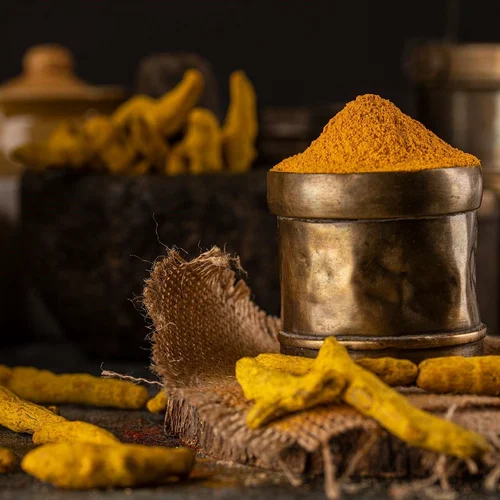
2. Turmeric
Known for its active compound curcumin, turmeric is one of the most popular anti-inflammatory herbs. It supports joint health, immunity, and digestion.
3. Ginger
A staple in both cooking and herbal medicine, ginger aids digestion, reduces nausea, and strengthens the immune system.
4. Elderberry
Commonly used in syrups and supplements, elderberry is known for boosting immunity and fighting seasonal illnesses.
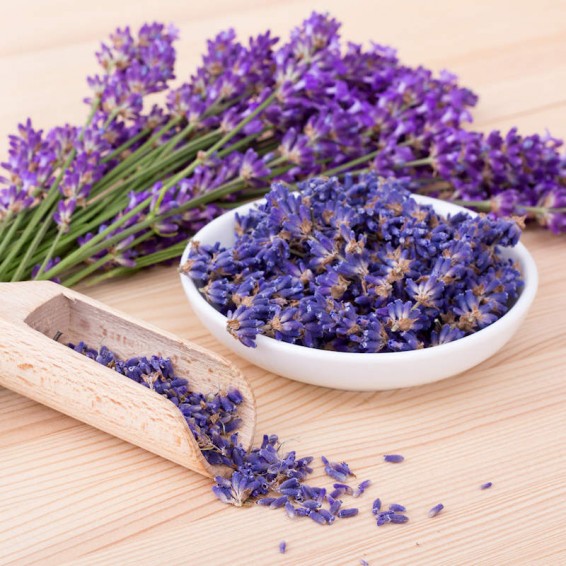
5. Lavender
A leading herb in aromatherapy, lavender helps reduce stress, improve sleep quality, and promote relaxation.
6. Ginseng
A premium herb known for increasing energy levels, improving focus, and supporting overall vitality.
7. Mint
Widely used in teas, beverages, and cooking, mint is refreshing and supports digestive health.
Health Benefits of Herbs

1. Immune System Support
Herbs like echinacea and elderberry are widely used to strengthen the immune system and prevent infections.
2. Digestive Health
Ginger, peppermint, and fennel help reduce bloating, improve digestion, and soothe the stomach.
3. Stress and Anxiety Relief
Adaptogenic herbs such as ashwagandha and holy basil help the body cope with stress naturally.
4. Anti-Inflammatory Properties
Turmeric and garlic are known for reducing inflammation, which is linked to many chronic diseases.
5. Skin and Beauty Benefits
Herbs like aloe vera and chamomile are used in skincare for hydration, healing, and anti-aging benefits.
Scientific research by the National Institutes of Health continues to explore and validate these health benefits.
Culinary Uses of Herbs in the USA
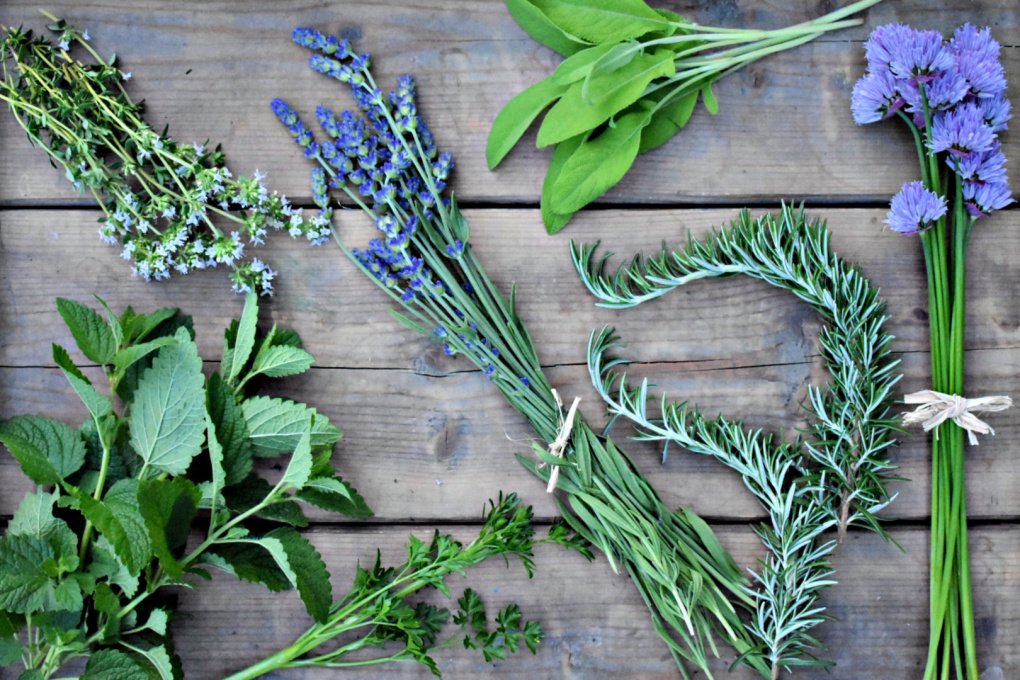
Herbs are essential in American cuisine, adding flavor, aroma, and nutritional value to dishes.
- Italian-inspired dishes: Basil, oregano
- Mexican cuisine: Cilantro
- Asian cuisine: Ginger, lemongrass
- American recipes: Rosemary, thyme
Major food hubs like New York City and Los Angeles are driving demand for fresh, organic herbs through farm-to-table dining trends.
Herbal Supplements Market in the USA (2026)
The herbal supplement market in the U.S. is expanding rapidly, with billions in annual revenue.
Key Market Trends
- Growing demand for organic and non-GMO herbs
- Increased use of herbal teas and functional beverages
- Popularity of capsules, powders, and extracts
- Rising interest in Ayurvedic and traditional remedies
The U.S. Food and Drug Administration regulates dietary supplements, but unlike pharmaceuticals, herbal products are not pre-approved, making quality and sourcing extremely important.
Fresh vs. Dried Herbs
| Feature | Fresh Herbs | Dried Herbs |
|---|---|---|
| Flavor | Light and fresh | Strong and concentrated |
| Shelf Life | Short | Long-lasting |
| Cost | Higher | More affordable |
| Usage | Garnishing and salads | Cooking and teas |
How to Choose High-Quality Herbs
To get maximum benefits, it is essential to choose high-quality herbs.
Key Factors to Consider
- Organic Certification: Look for USDA Organic labels
- Source: Choose herbs from reputable farms
- Packaging: Airtight, moisture-free containers
- Purity: Avoid artificial additives or fillers
Where to Buy Herbs in the USA
1. Local Farmers’ Markets
Offer fresh, seasonal, and organic herbs directly from growers.
2. Health Food Stores
Retailers like Whole Foods Market provide a wide selection of premium herbal products.
3. Online Stores
E-commerce platforms allow easy access to a variety of herbs, including rare and imported ones.
4. Specialty Herbal Shops
These stores offer expert advice and high-quality medicinal herbs.
Growing Herbs at Home
Herb gardening is becoming increasingly popular in the United States, especially in urban areas.
Easy Herbs to Grow
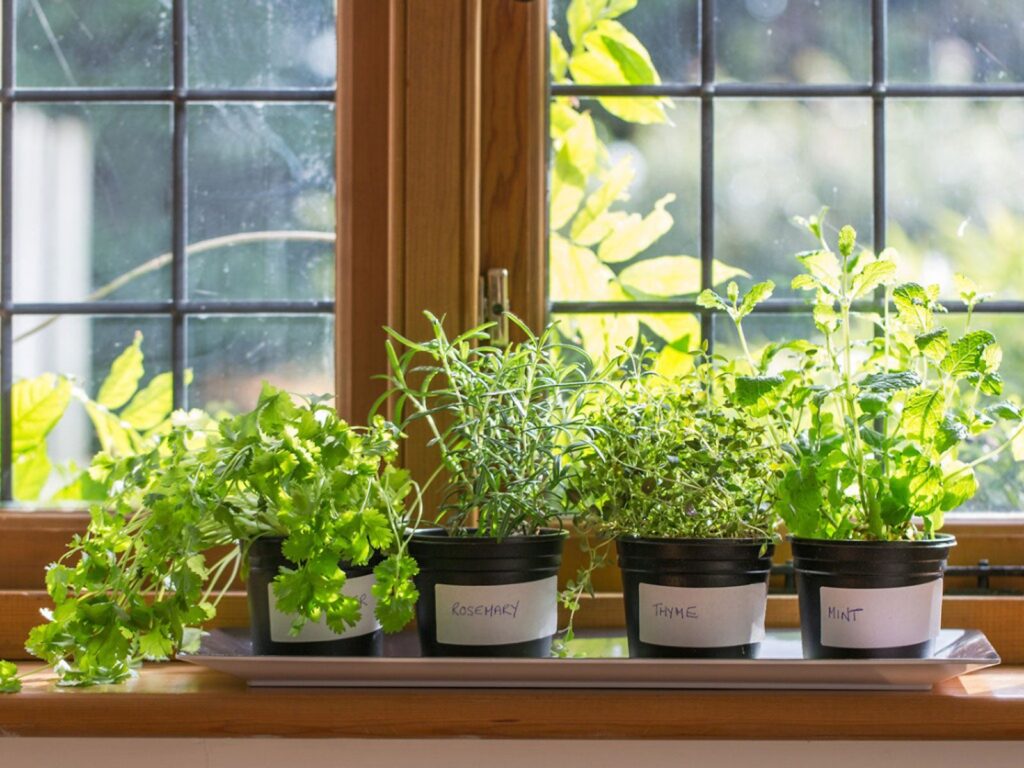
Basil
Mint
Rosemary
Thyme
Parsley
Growing Tips
- Provide 6–8 hours of sunlight daily
- Use well-drained soil
- Water regularly but avoid overwatering
Cities like Washington, D.C. are seeing a rise in home gardening due to sustainability trends.
Safety and Precautions
While herbs are natural, they must be used responsibly.
- Consult a healthcare professional before use
- Avoid mixing herbs with medications without guidance
- Follow recommended dosages
- Pregnant and breastfeeding women should be cautious
Future of Herbs in the USA

The future of herbs in the U.S. looks promising, with continued growth expected beyond 2026.
Emerging Trends
- Personalized herbal medicine
- AI-driven health recommendations
- Sustainable and organic farming
- Increased scientific validation
Consumers are increasingly shifting toward preventive healthcare, ensuring long-term demand for herbal products.
Conclusion
Herbs in the USA have evolved from simple kitchen ingredients into powerful tools for health, wellness, and sustainable living. Whether used for cooking, healing, or lifestyle enhancement, herbs offer a natural and effective solution for modern health challenges.As the industry continues to grow in 2026, understanding how to choose, use, and source herbs will help you maximize their benefits. By incorporating herbs into your daily routine, you can take a proactive approach to better health and well-being.


. Learn about benefits, uses, trends, and where to buy high-quality herbal products.)