


INTRODUCTION:
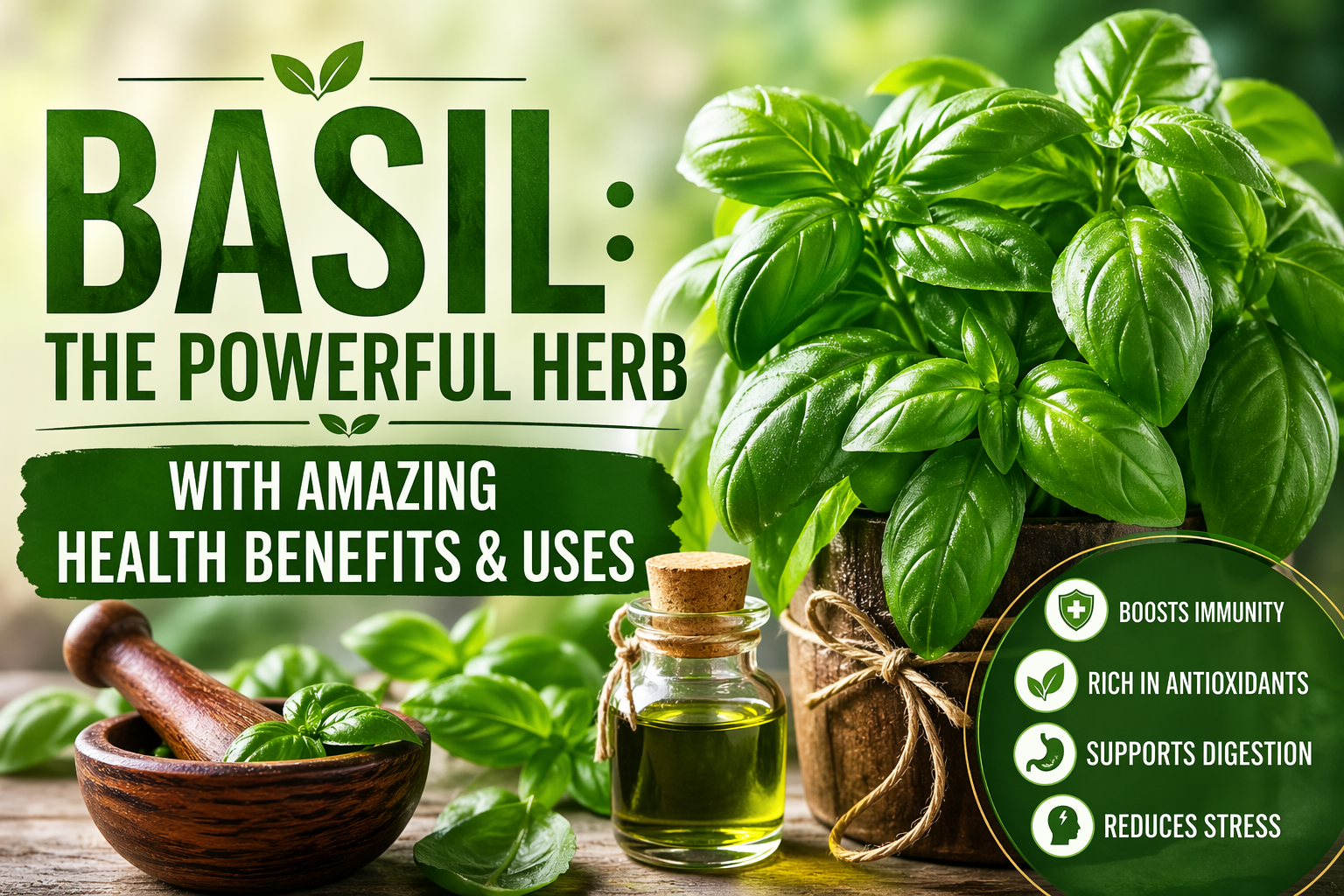
Basil, scientifically known as Ocimum basilicum, is one of the most popular and widely used herbs in the world. Belonging to the mint family, basil is cherished for its rich aroma, fresh flavor, and powerful medicinal properties. Basil used for centuries in traditional medicine systems like Ayurveda, where it is valued for promoting overall health and well-being.Often referred to as “Holy Basil” or Tulsi, this herb holds deep cultural and spiritual significance, especially in South Asia. Beyond its traditional importance, basil has gained global recognition for its impressive nutritional profile, containing essential vitamins, minerals, and antioxidants that support the body in many ways.
Nutritional Value of Basil
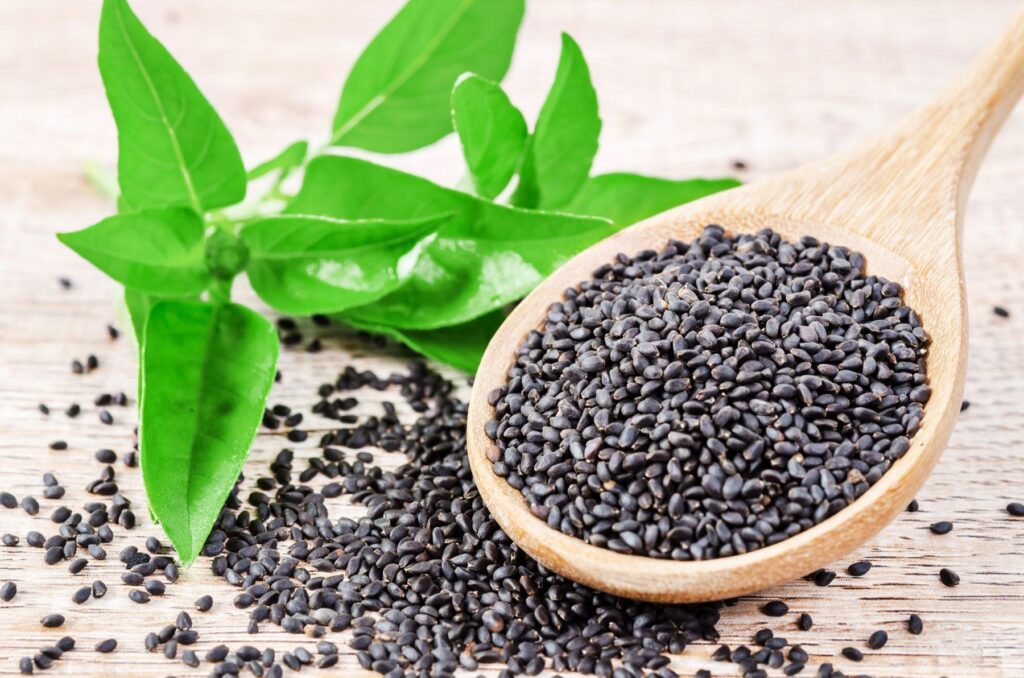
Basil is low in calories but rich in essential nutrients. It contains:
Vitamin A, K and C (for immunity, bone strength and eye health)
Iron (for blood health)
Calcium (for strong bones)
Antioxidants (fight free radicals)
HEALTH BENEFITS:

1. Boosts Immunity
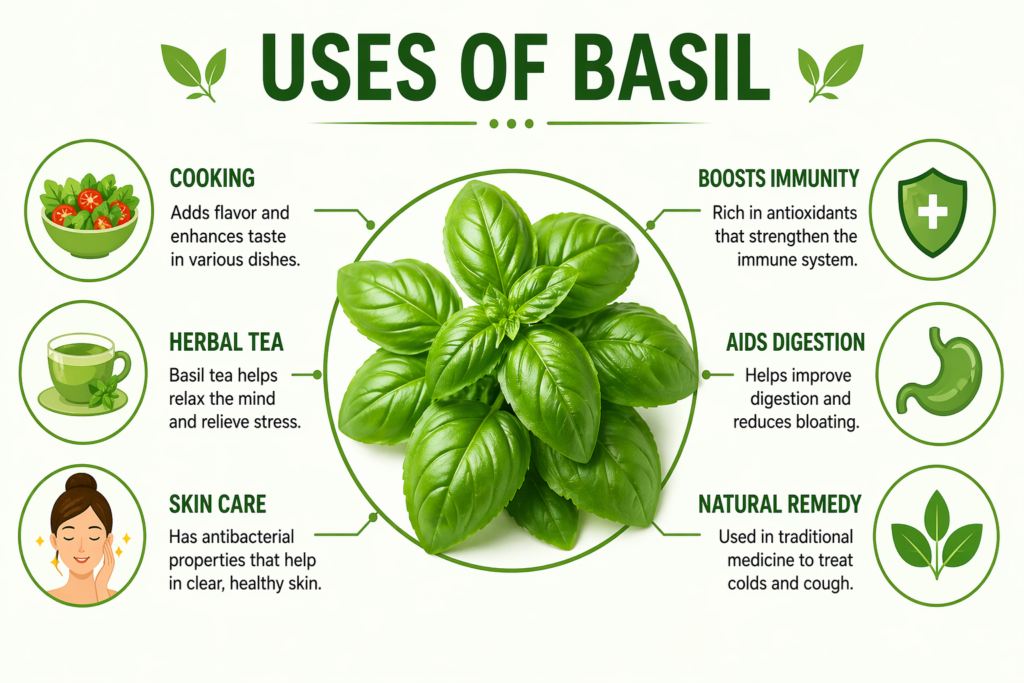
Basil is packed with antioxidants and natural compounds like eugenol that help protect the body from infections. It strengthens the immune system and helps the body fight bacteria, viruses, and seasonal illnesses like colds and flu.
2. Reduces Stress & Anxiety
Basil, especially Ocimum sanctum (Tulsi), acts as an adaptogen. It helps the body manage stress by balancing cortisol levels, leading to improved mood, reduced anxiety, and better mental clarity.
3. Supports Heart Health
Basil helps lower bad cholesterol (LDL) and improves blood circulation. Its magnesium content relaxes blood vessels, reducing the risk of high blood pressure, heart disease, and stroke.
4. Improves Digestion
Basil stimulates digestive enzymes that help break down food efficiently. It reduces bloating, gas, and indigestion, making your digestive system healthier and more active.

5. Anti-Inflammatory Properties
Basil contains powerful compounds that reduce inflammation in the body. This helps relieve pain and swelling, especially in conditions like arthritis and joint pain.
6. Helps Control Blood Sugar
Basil may improve insulin sensitivity and help regulate blood sugar levels. This makes it beneficial for people with or at risk of Type 2 Diabetes.
7. Promotes Healthy Skin
Basil has antibacterial and antioxidant properties that help fight acne, skin infections, and dullness. Basil helps purify the blood, giving your skin a natural glow.
8. Supports Respiratory Health
Basil is beneficial for the respiratory system. It helps relieve cough, cold, asthma, and bronchitis by clearing congestion and reducing inflammation in the airways.
9. Detoxifies the Body
Basil helps remove toxins from the body by supporting liver function. Basil purifies the blood and improves overall internal health, making you feel more energetic.
10. Supports Oral Health
Basil has natural antibacterial properties that help fight bad breath, gum infections, and oral bacteria. It promotes healthier teeth and gums when used regularly.
USES:
1. Culinary Uses
Basil (Ocimum basilicum) is widely used in cooking for its fresh aroma and flavor. It is added to salads, soups, pasta, pizzas, sauces, and curries. Fresh basil leaves enhance taste, while dried basil is commonly used as a seasoning.
2. Herbal Tea
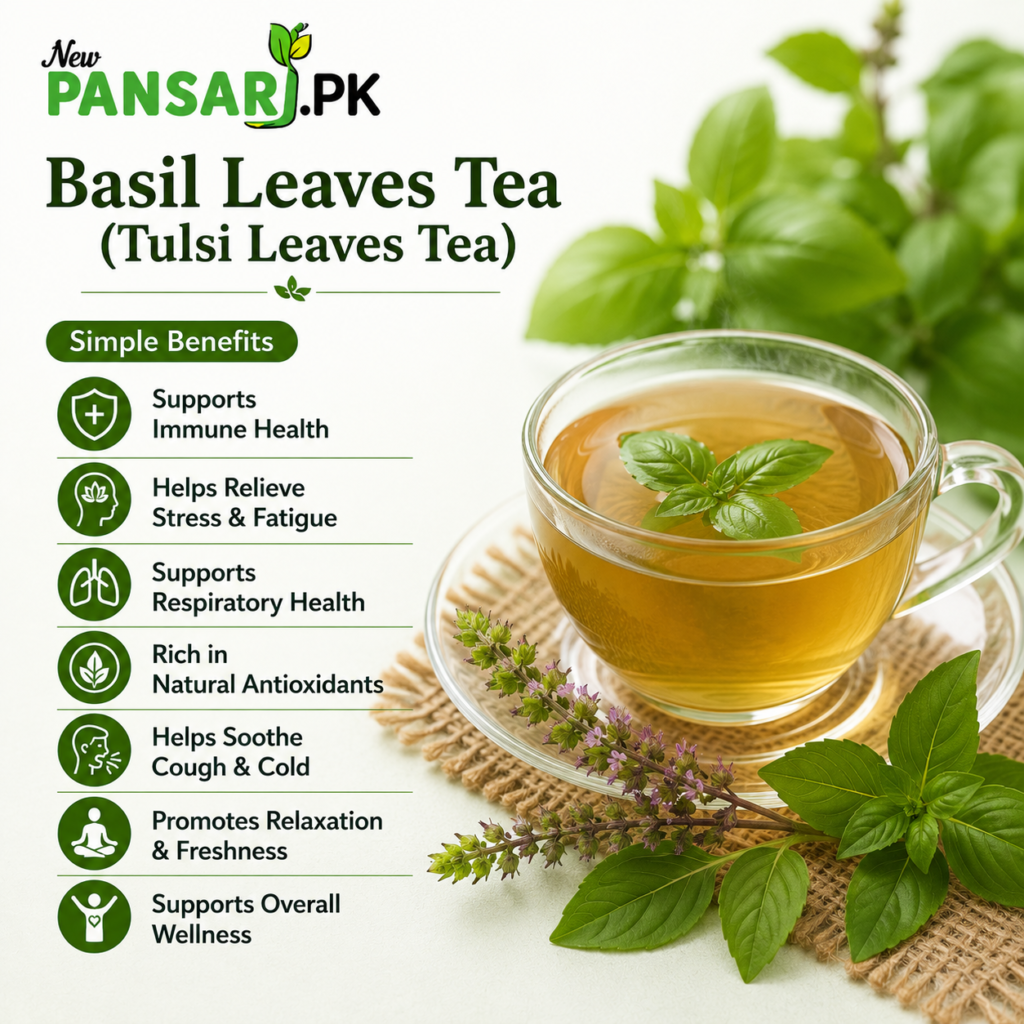
Basil leaves can be boiled in water to make a healthy herbal tea. This tea helps boost immunity, reduce stress, and support digestion.Basilespecially useful during cold and flu season.
3. Medicinal Uses
Basil has been used in traditional medicine for centuries. It helps treat cough, cold, fever, headaches, and digestive issues.Basil also used to support overall wellness and strengthen the body naturally.
4. Skincare
Basil is used in natural skincare remedies. Its antibacterial properties help treat acne, skin infections, and irritation. Basil paste or extract can be applied to the skin for a clearer complexion.
5. Hair Care
Basil helps improve scalp health and reduce dandruff. It strengthens hair roots and may promote healthier, shinier hair when used in oils or hair masks.
6. Aromatherapy
Basil essential oil is used in aromatherapy to reduce stress, improve mood, and enhance mental focus. Its refreshing scent has a calming and uplifting effect.
7. Natural Remedy
Basil is used as a home remedy for various minor health issues like insect bites, nausea, and fatigue. Chewing fresh leaves or using basil extract can provide quick relief.
8. Religious & Spiritual Use
In many cultures, especially in South Asia, basil (Tulsi – Ocimum sanctum) is considered sacred. It is used in religious rituals, purification practices, and spiritual healing.
9. Insect Repellent
Basil acts as a natural insect repellent. Its strong aroma helps keep mosquitoes and insects away. Basil plants are often kept indoors or in gardens for this purpose.
10. Juice & Detox Drinks
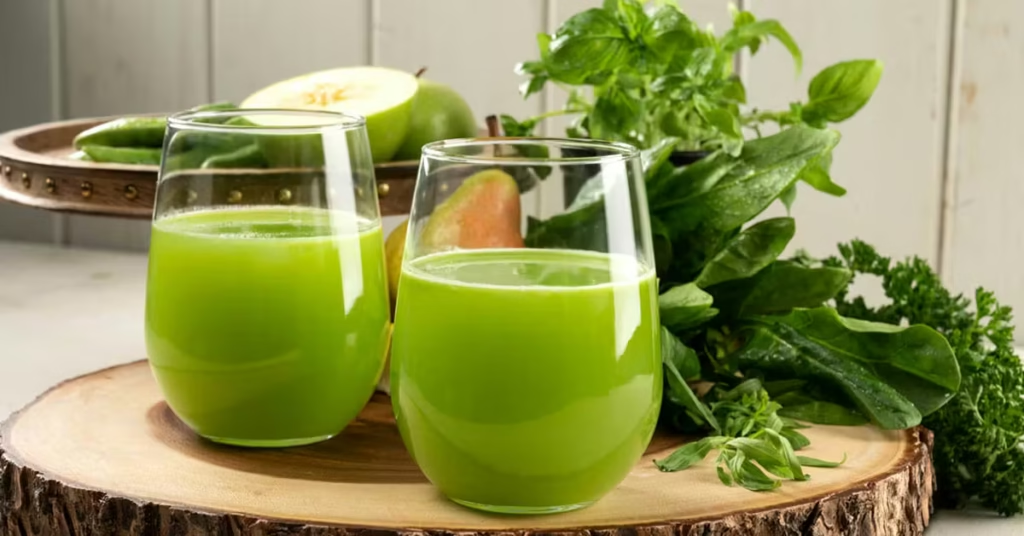
Basil leaves can be added to juices, detox water, and smoothies. It enhances flavor while providing health benefits like detoxification and improved metabolism.
How to Use Basil (Step-by-Step Guide)
1. Use Fresh Basil Leaves
Take 4–6 fresh leaves of Ocimum basilicum, wash them thoroughly, and add directly to your meals. You can mix them into salads, sprinkle over dishes, or use as garnish for maximum flavor and nutrition.
2. Make Basil Tea
Boil 8–10 basil leaves in 1 cup of water for 5–10 minutes. Strain and drink warm. You can add honey for taste. This tea is useful for immunity, stress relief, and digestion.
3. Chew Raw Leaves
Chewing 3–5 fresh basil leaves daily, especially in the morning, helps boost immunity and supports overall health. This is one of the simplest and most effective ways to use basil.
4. Use in Cooking
Add fresh or dried basil to soups, curries, pasta, sauces, and rice dishes. It enhances flavor and also adds nutritional value to everyday meals.
5. Basil Juice
Crush fresh basil leaves and extract the juice. Mix 1–2 teaspoons of basil juice with water or honey and consume. It can help with cough, cold, and detoxification.
6. Apply on Skin
Make a paste of fresh basil leaves and apply it to acne or irritated skin. Leave for 10–15 minutes, then wash off. Its antibacterial properties help improve skin health.
7. Basil Oil for Massage
Mix a few drops of basil essential oil with a carrier oil (like coconut oil) and apply on the body. It helps relieve stress, headaches, and muscle pain.
8. For Hair Care
Boil basil leaves in water, let it cool, and use it as a final rinse after shampoo. It helps reduce dandruff and strengthens hair roots.
9. Steam Inhalation
Add basil leaves to hot water and inhale the steam. This helps clear nasal congestion and supports respiratory health, especially during cold or flu.
10. Detox Water
Add a few basil leaves to a bottle of water and let it sit for a few hours. Drink throughout the day to help detoxify the body and stay refreshed.
Important Tips for Using Basil
1. Use Fresh Leaves for Best Results
Fresh leaves of Ocimum basilicum contain higher nutrients and stronger aroma compared to dried ones. Try to use fresh basil whenever possible.
2. Avoid Overconsumption
Using basil in normal amounts is safe, but excessive intake may lower blood pressure or cause mild side effects. Moderation is key.
3. Wash Leaves Properly
Always wash basil leaves thoroughly before use to remove dust, pesticides, or impurities.
4. Do Not Overcook
Adding basil at the end of cooking helps preserve its flavor and nutrients. Overcooking can reduce its benefits.
5. Best Time to Consume
Chewing basil leaves in the morning or drinking basil tea on an empty stomach can give better health benefits.


 for better health. Learn how this natural herb boosts immunity, supports digestion, reduces stress, and improves overall wellness.)