



INTRODUCTION:
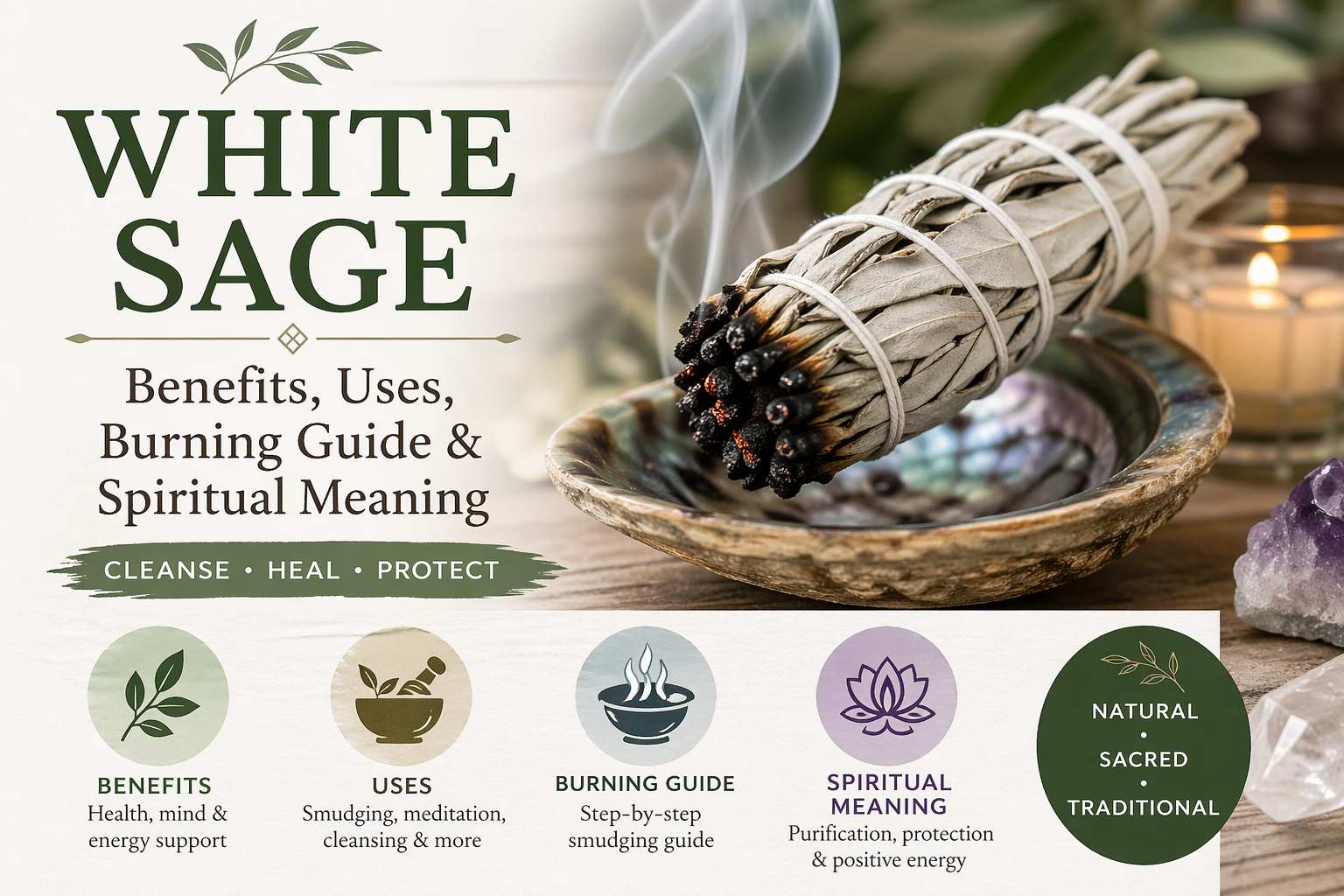
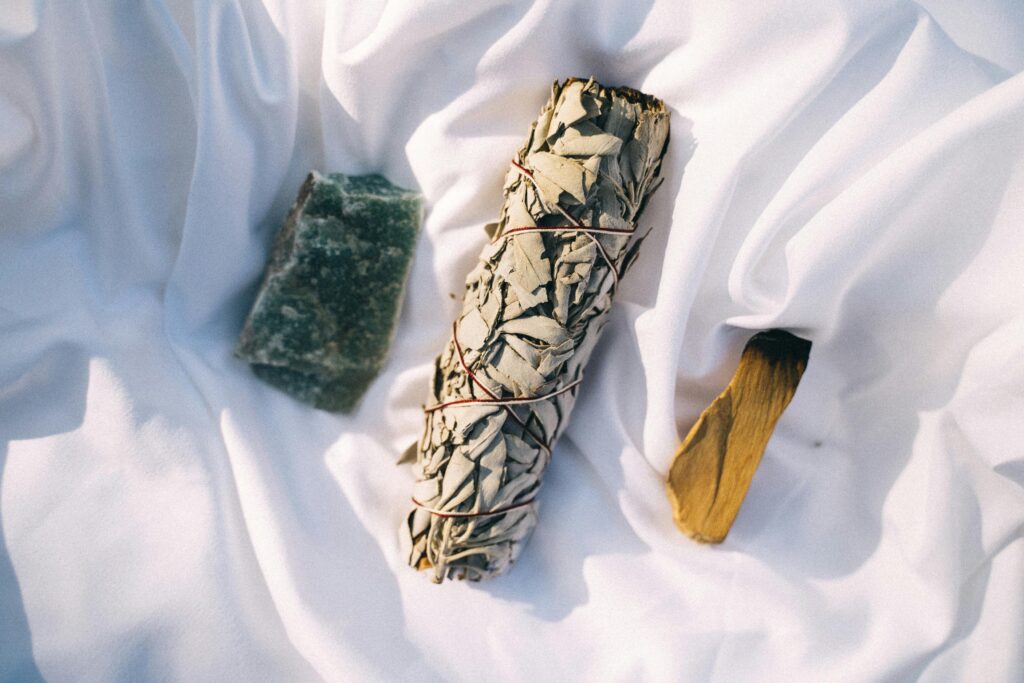
Salvia apiana, commonly known as white sage, is a sacred herb native to the southwestern United States and parts of Mexico. Traditionally used by Indigenous communities for purification rituals, white sage has gained global popularity for its cleansing, aromatic, and potential wellness properties. From spiritual smudging to herbal remedies, this plant holds both cultural significance and modern-day appeal.
Family Background
Scientific Name: Salvia apiana
Family: Lamiaceae (Mint family)
Native Region: California & Baja California
Common Names: White Sage, Sacred Sage, Bee Sage
Nutritional / Chemical Composition
White sage is not typically consumed as food, but it contains beneficial compounds:
Essential oils (cineole, camphor)
Flavonoids
Antimicrobial compounds
Antioxidants
HEALTH BENEFITS:

1. Air Cleansing & Environmental Purification
Salvia apiana has been traditionally burned to cleanse indoor environments. Research on herbal smoke suggests it may reduce certain airborne microbes for a period of time. While it’s not a substitute for proper hygiene or air filtration systems, it can complement a clean environment by neutralizing odors and creating a fresher atmosphere.
2. Stress Reduction & Nervous System Support
White sage contains aromatic compounds (such as cineole) that may have mild sedative and calming effects. When inhaled in small amounts, these compounds can help regulate the nervous system, reducing feelings of stress, tension, and anxiety. This makes it particularly useful in relaxation routines like yoga or deep breathing exercises.
3. Cognitive Enhancement & Mental Clarity
The scent of white sage is believed to stimulate brain function by reducing mental fatigue. It can help sharpen attention, improve concentration, and enhance mindfulness. This is why it’s often used before studying, working, or engaging in tasks that require sustained focus.

4. Antimicrobial Properties
White sage contains plant-based chemicals with antibacterial and antifungal properties. Traditionally, it has been used to disinfect spaces and objects. Some studies indicate that medicinal smoke from herbs can significantly reduce bacteria in the air, supporting its long-standing use in purification practices.
5. Antioxidant Support
Like many herbs in the mint family, white sage is rich in antioxidants. These compounds help combat oxidative stress in the body, which is linked to aging and chronic diseases. Although white sage is not commonly consumed, its natural antioxidant profile contributes to its therapeutic reputation.
6. Mood Stabilization & Emotional Balance
White sage is widely associated with emotional cleansing. Its aroma can positively affect mood by reducing irritability and promoting a sense of calm and balance. This effect is often psychological and sensory, helping individuals reset their mental state after stress or emotional strain.

7. Sleep Support & Relaxation
Using white sage in the evening may help prepare the body for rest. Its calming scent can reduce overactive thoughts and create a tranquil environment, making it easier to fall asleep. Many people incorporate it into nighttime routines for better sleep quality.
8. Respiratory Considerations (Dual Effect)
While mild exposure to sage aroma may feel soothing for some, smoke inhalation can irritate the lungs—especially for individuals with asthma or allergies. This creates a dual effect: beneficial in small, controlled exposure but potentially harmful if overused or used in poorly ventilated areas.
9. Traditional Healing Applications
Historically, Indigenous communities used white sage in various forms—such as teas, washes, or poultices—for minor ailments like sore throats, skin irritations, and wounds. However, modern usage should be cautious, as not all traditional remedies are scientifically validated for internal consumption.
USES:
1. Smudging (Energy & Space Cleansing)
Salvia apiana is most commonly used for smudging—a traditional practice of burning dried sage to cleanse spaces, objects, or individuals. The smoke is believed to remove negative energy and restore balance. It’s often used:
After arguments or stressful events
When moving into a new home
Before meditation or spiritual rituals
2. Meditation & Mindfulness Support

White sage helps create a calm, distraction-free environment. Its earthy aroma signals the brain to slow down, making it easier to focus during meditation, prayer, or breathing exercises. Many people use it to “set intention” before starting a mindfulness session.
3. Home Fragrance & Atmosphere Enhancement
Instead of synthetic air fresheners, white sage can be used as a natural alternative. Burning sage releases a warm, herbal scent that freshens rooms and creates a peaceful ambiance. It’s commonly used in:
Living rooms for relaxation
Bedrooms for calmness
Workspaces for a stress-free environment
4. Air Cleansing (Traditional Use)
White sage has been traditionally used to purify the air. Some evidence suggests herbal smoke may reduce certain airborne microbes. While not a replacement for cleaning or air purifiers, it can complement a hygienic environment.
5. Stress Relief & Emotional Reset
The scent of white sage can help reduce anxiety and mental fatigue. People often use it after a long day to unwind, as it promotes relaxation and emotional balance. It acts as a natural mood stabilizer through aromatherapy effects.
6. Focus & Productivity Booster
White sage is sometimes used before studying or working. Its grounding aroma may help clear mental clutter, improve concentration, and increase alertness—making it useful for productivity routines.
7. Traditional Herbal Applications
Historically, white sage was used in various forms such as teas, rinses, or topical applications for minor issues like:
Sore throat
Skin irritation
Minor wounds
Modern use for consumption is not widely recommended without expert guidance.
8. Natural Insect Repellent
Burning white sage can help repel insects like mosquitoes due to its strong scent. It’s sometimes used outdoors during gatherings as a natural alternative to chemical repellents.
9. Object & Personal Cleansing Rituals
People use sage smoke to cleanse personal items such as:
Jewelry
Crystals
Clothes
Work tools
This is believed to remove lingering negative energy and “reset” the item.
BURNING GUIDE:
What You’ll Need
Salvia apiana (bundle or loose leaves)
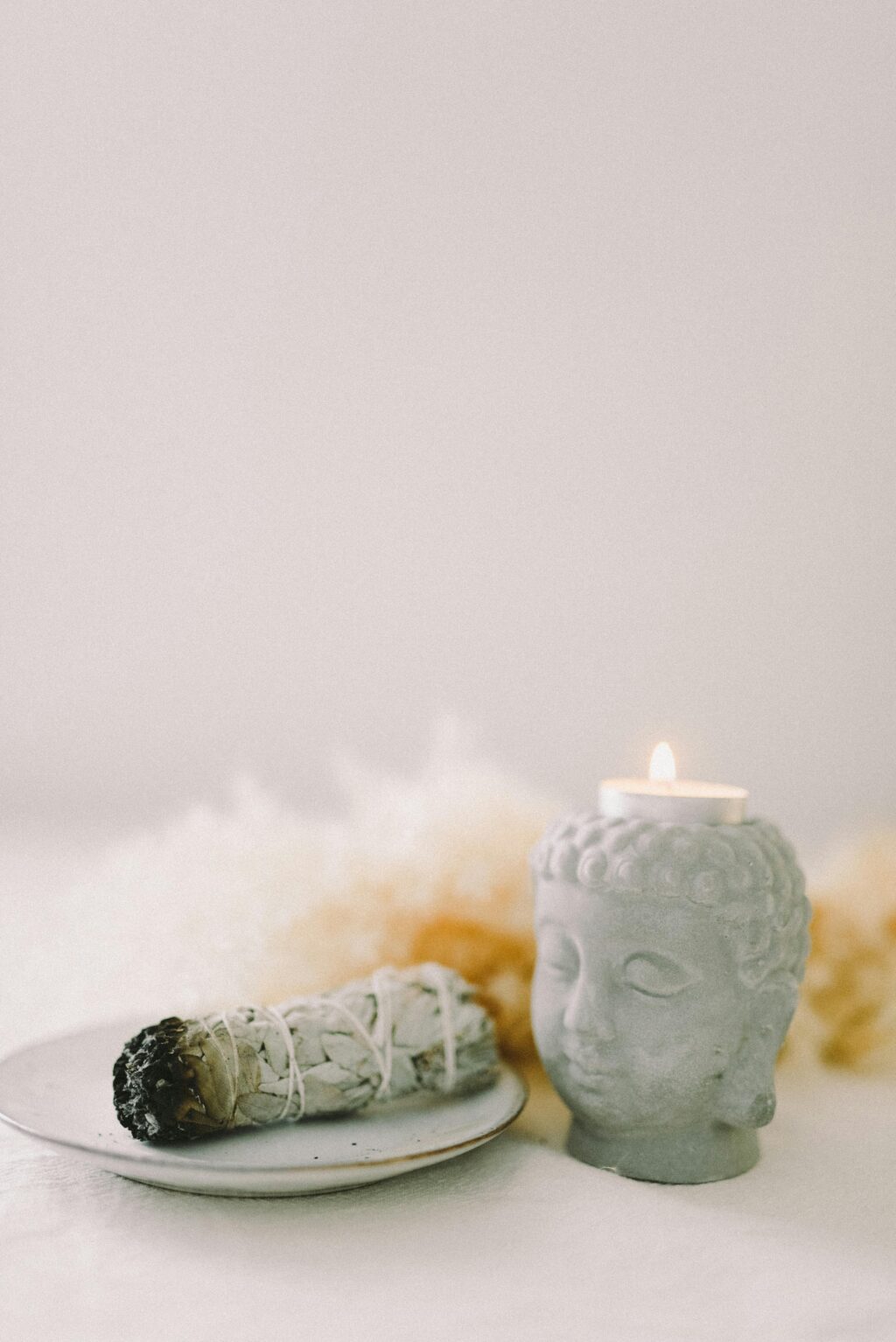
A fireproof bowl, shell, or ceramic dish
Matches or a lighter
Optional: feather or hand fan (to guide smoke)
A cup of sand (for safely extinguishing)
Step 1: Prepare Your Space
Open a window or door for ventilation. This prevents smoke buildup and symbolically allows stale energy to exit. Remove flammable items nearby and ensure the area is safe.
Step 2: Set Your Intention
Before lighting, take a moment to focus on your purpose. This could be relaxation, cleansing, or mental clarity. Intention-setting is a key part of the practice and helps create a mindful experience.
Step 3: Light the Sage
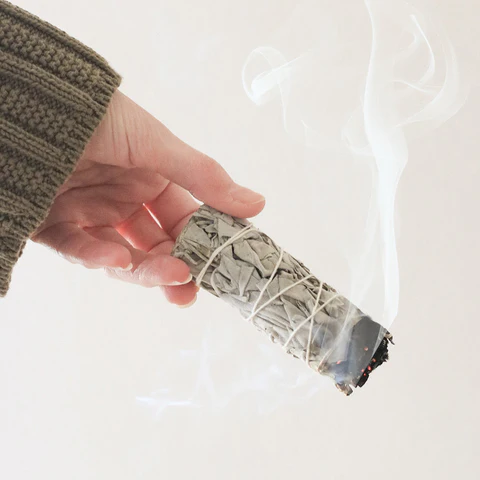
Hold the sage bundle at a slight angle and light the tip using a match or lighter. Let it burn for a few seconds, then gently blow out the flame. The sage should produce a steady stream of smoke (not a strong flame).
Step 4: Spread the Smoke
Move the smoking sage around your space:
Walk slowly around the room
Direct smoke into corners, doorways, and windows
You can also wave smoke around your body (head to toe)
Use your hand or a feather to guide the smoke where needed.
Step 5: Focus & Breathe
As the smoke spreads, breathe calmly (avoid deep inhalation of smoke). Stay present and focused. Many people repeat a calming phrase or affirmation during this step.
Step 6: Extinguish Safely
When finished:
Press the burning tip into sand or a fireproof bowl
Ensure there are no glowing embers
Never use water unless necessary (it can ruin the bundle)