



INTRODUCTION:
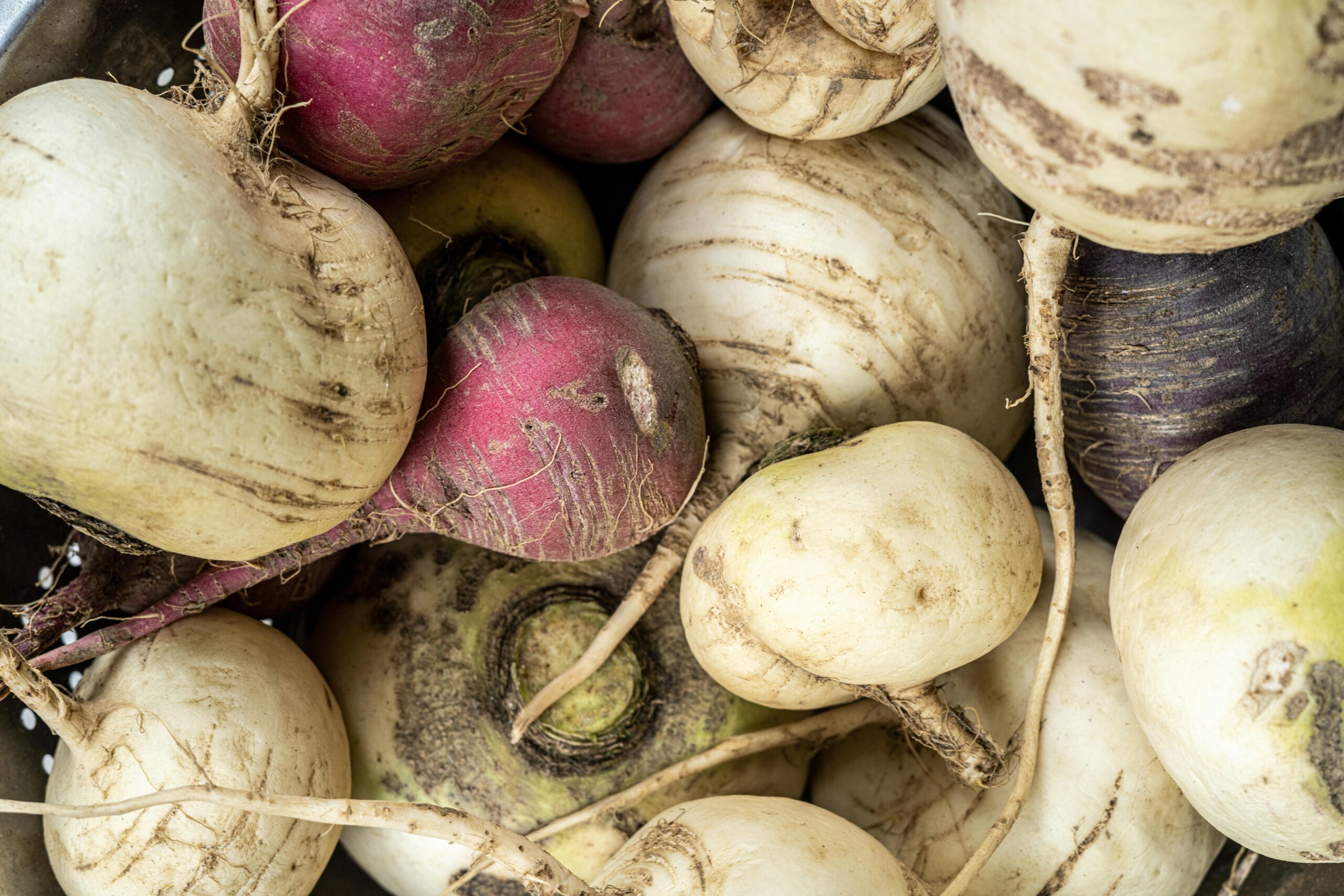
Maca root, scientifically known as Lepidium meyenii, is a powerful medicinal plant native to the high-altitude regions of the Andes Mountains in Peru. Often referred to as “Peruvian ginseng,” maca has been cultivated and used for over 2,000 years due to its remarkable nutritional and therapeutic properties. Unlike true ginseng, maca belongs to the cruciferous family, the same group as broccoli and kale, and is valued for its root rather than its leaves.This adaptogenic herb is well-known for helping the body cope with stress, improving energy levels, and enhancing overall stamina. Traditionally, local populations have used maca to boost fertility, support hormonal balance, and increase physical strength—especially in harsh environmental conditions where few other crops can survive.
TYPES OF MACA ROOT:
Maca root comes in several natural color varieties, but the three main types—Yellow, Red, and Black Maca—are the most widely used and studied. Each type has slightly different nutritional profiles and health benefits.
Yellow Maca (Most Common)
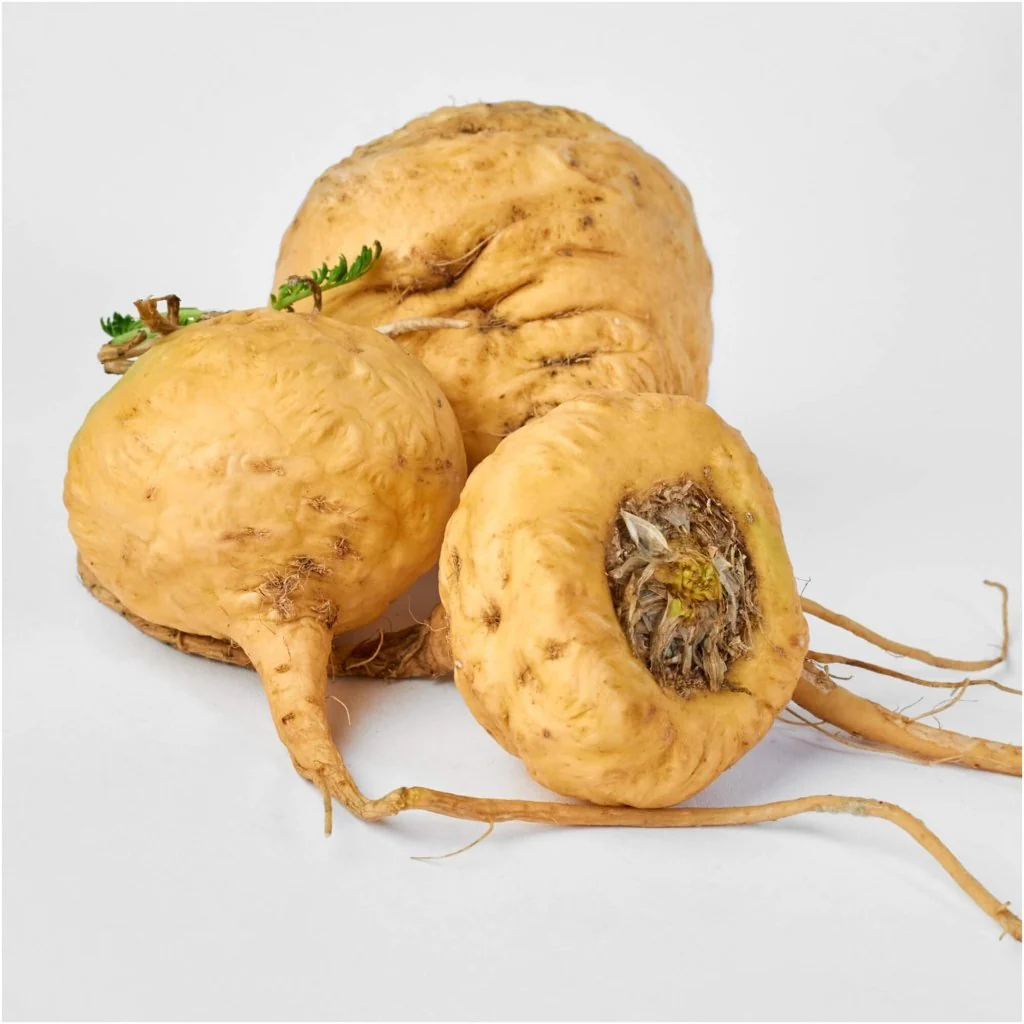
Yellow maca is the most widely available and commonly used type, making up about 60–70% of all maca harvested.
Mild taste and balanced nutrients
Supports overall health and energy
Helps maintain hormonal balance
Good for beginners
Best for: Daily use, general wellness, and first-time users
Red Maca (Hormonal Support)
Red maca is especially popular for its effects on hormones and reproductive health.
Supports hormonal balance, especially in women
May help reduce symptoms of menopause
Known for promoting bone health
Rich in antioxidants
Best for: Women’s health, fertility, and hormone regulation
Black Maca (Strongest Type)
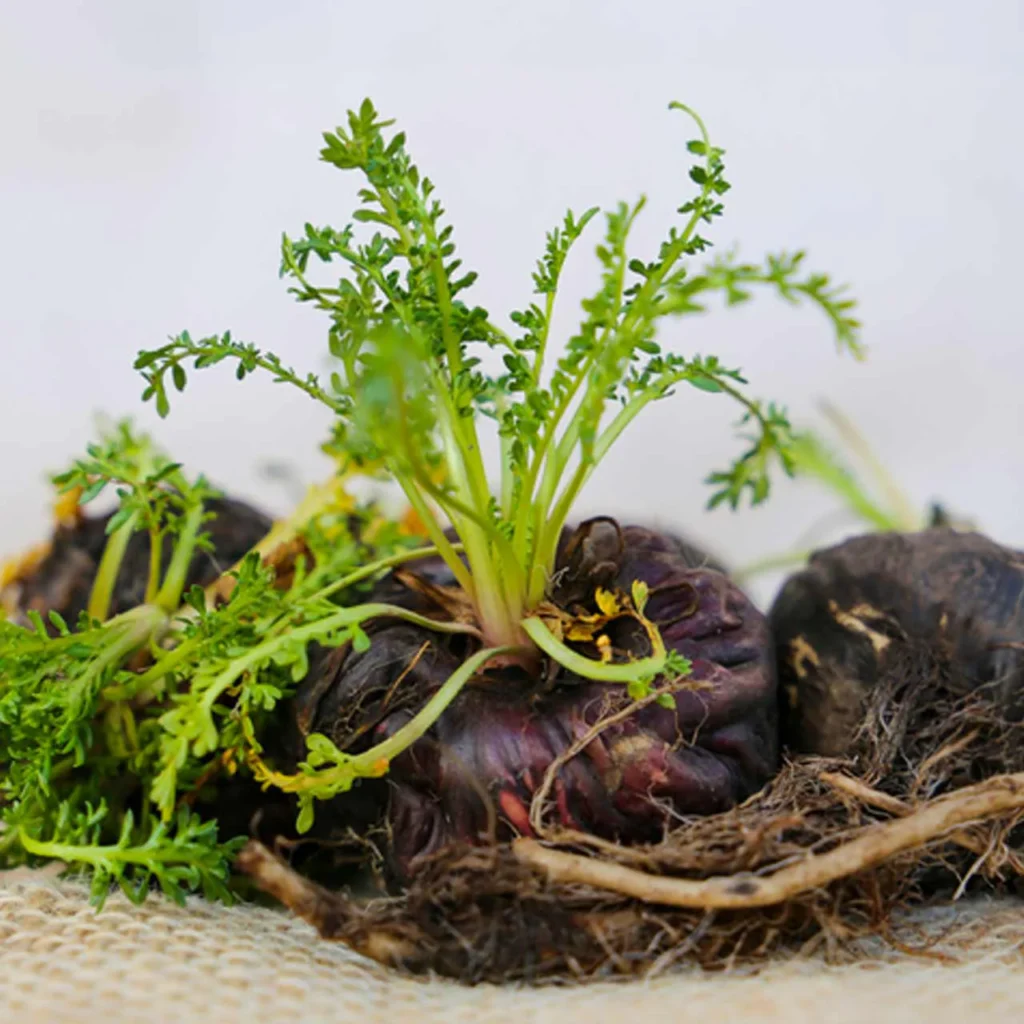
Black maca is considered the most potent and rare variety.
Boosts energy, stamina, and physical performance
Supports memory and brain function
Often linked to male fertility and libido
Enhances muscle strength
Best for: Men’s health, athletes, and mental performance
Which Maca Is Best?
There is no single “best” type—it depends on your goal:
General health: Yellow Maca
Hormones & women’s health: Red Maca
Energy, stamina & men’s health: Black Maca
FAMILY BACKGROUND:
Kingdom: Plantae
Family: Brassicaceae (Mustard family)
Genus: Lepidium
Species: Lepidium meyenii
HEALTH BENEFITS:

1. Boosts Energy & Stamina
Maca is well-known for increasing natural energy levels without caffeine. It helps improve endurance and physical performance, making it popular among athletes and active individuals.
2. Enhances Libido & Sexual Health
One of maca’s most مشهور benefits is its ability to improve sexual desire in both men and women. It has been traditionally used to support reproductive health and vitality.
3. Supports Brain Function
Maca may improve memory, focus, and mental clarity. Some studies suggest that certain types (especially black maca) can enhance cognitive performance.
4. Helps Balance Hormones
As an adaptogen, maca supports the endocrine system rather than directly altering hormone levels. It may help reduce symptoms of hormonal imbalance such as mood swings, fatigue, and irregular cycles.

5. Benefits Women’s Health
Maca is often used to:
Ease symptoms of menopause (hot flashes, night sweats)
Support fertility
Improve mood and energy during hormonal changes
6. Improves Male Fertility
Research indicates maca may help increase sperm count and motility, contributing to improved fertility in men.
7. Rich in Antioxidants
Maca contains powerful antioxidants that help fight free radicals, reducing oxidative stress and supporting overall health.
8. Supports Bone Health
Particularly red maca, which may help improve bone density and reduce the risk of bone-related issues.
9. Enhances Mood & Reduces Stress
Maca may help reduce anxiety and symptoms of mild depression by supporting hormonal and neurological balance.
10. Aids Muscle Growth & Recovery
Due to its nutrient density, maca can support muscle development and recovery when combined with exercise.
SIDE EFFECTS:

1. Digestive Issues
Some people may experience:
Bloating
Gas
Stomach cramps
This usually happens when maca is taken in large amounts or on an empty stomach.
2. Sleep Disturbances
Maca can increase energy levels, which may lead to:
Difficulty sleeping
Restlessness
It’s best to take maca in the morning or early afternoon.
3. Hormonal Effects
Although maca supports hormone balance, it may cause:
Mood swings
Changes in menstrual cycles
People with hormone-sensitive conditions should be cautious.
4. Thyroid Concerns
Maca contains compounds called goitrogens, which can interfere with thyroid function if consumed excessively—especially in people with iodine deficiency.
5. Increased Heart Rate (Rare)
In some cases, users report:
Mild increase in heart rate
Feeling jittery
Usually linked to high doses.
6. Not Recommended for Certain Groups
Avoid or consult a doctor if you are:
Pregnant or breastfeeding
Taking hormone-related medications
Suffering from serious medical conditions
HOW TO USE:
1. Maca Powder (Most Popular)
Maca powder is the most natural and widely used form.
How to use:
Add 1–2 teaspoons daily to smoothies, milk, or juice
Mix into oatmeal, yogurt, or protein shakes
Blend with coffee or herbal tea
Tip: Start with a small amount and gradually increase to avoid digestive discomfort.
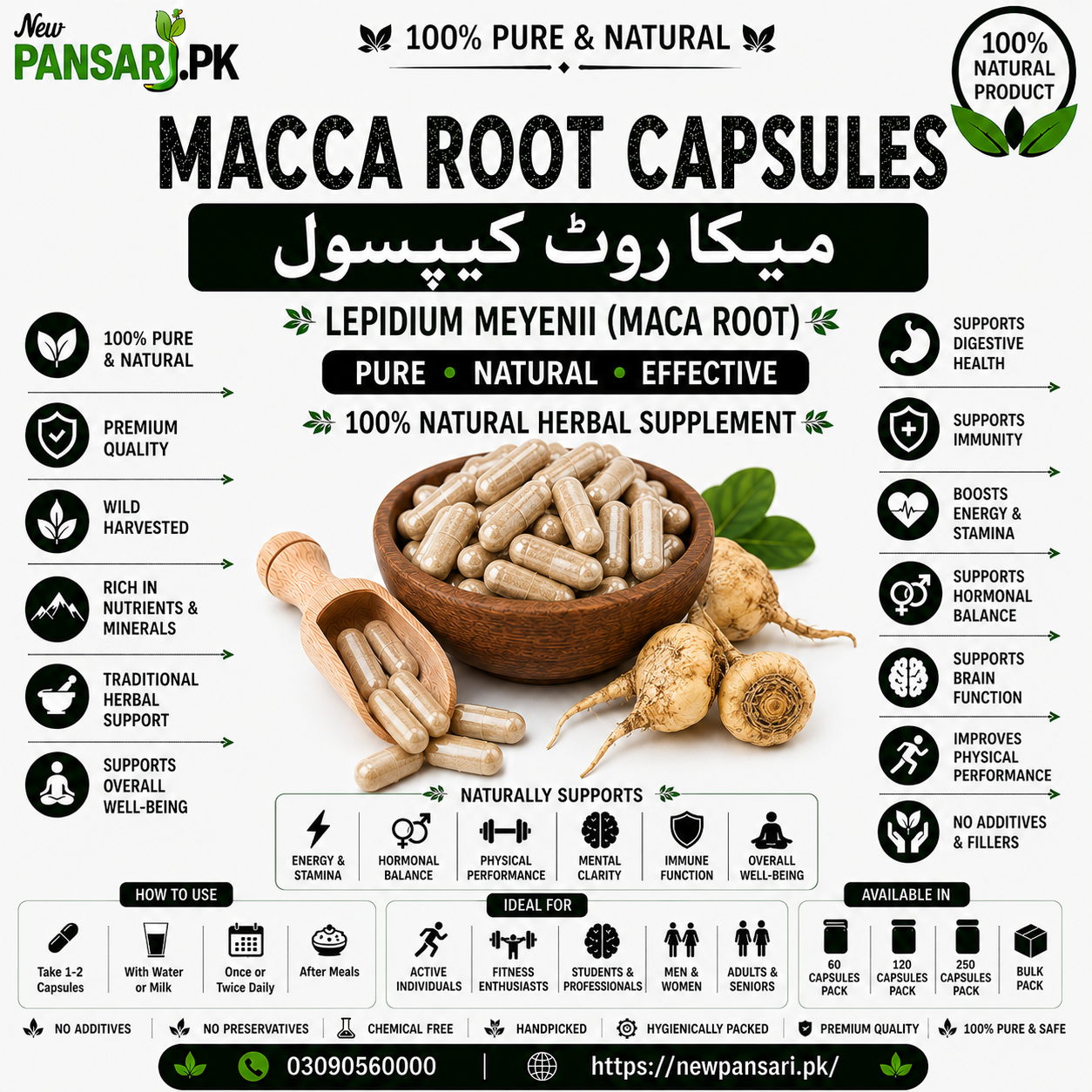
2. Capsules or Tablets (Convenient)
Perfect for people who don’t like the taste of maca.
How to use:
Take 500–1500 mg per day (follow product instructions)
Consume with water, preferably in the morning
Best for: Busy routines and precise dosage
3. Maca Tea or Drink
A simple and traditional way to consume maca.
How to use:
Add ½–1 teaspoon maca powder to warm water or milk
Optionally add honey or cinnamon for taste
4. Mix with Foods
Maca blends well with everyday meals.
Ideas:
Sprinkle over cereal or granola
Add to baking recipes (cakes, pancakes, energy bars)
Mix into peanut butter or chocolate spreads