



INTRODUCTION:
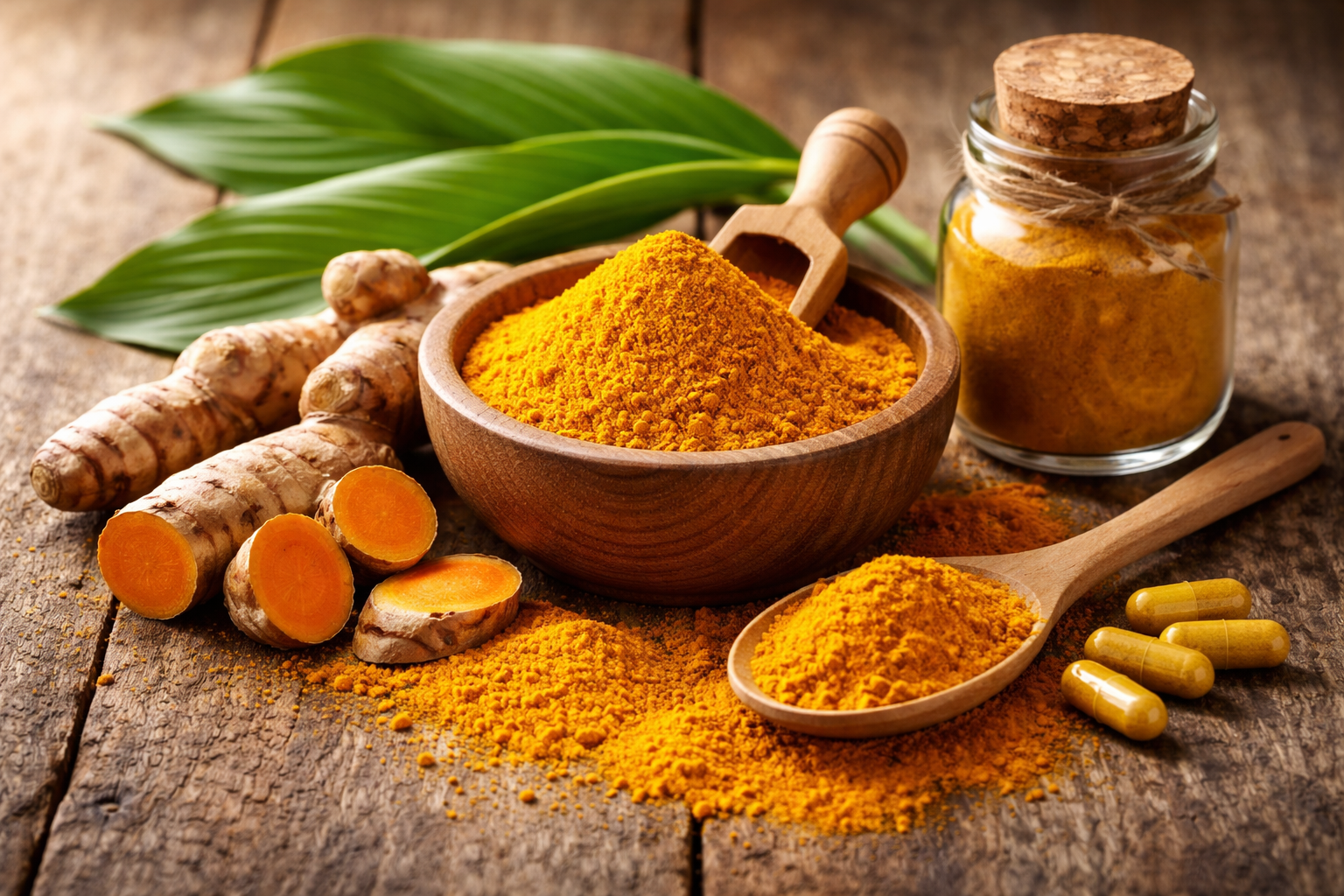
Turmeric, scientifically known as Curcuma longa, is one of the most powerful and widely used medicinal herbs in the world. Commonly called haldi, this bright yellow spice has been a staple in traditional systems like Ayurveda and Chinese medicine for thousands of years. Known for its strong anti-inflammatory, antioxidant, and healing properties, turmeric has gained massive popularity globally as a natural remedy for various health conditions.The key active compound in turmeric is Curcumin, which is responsible for most of its health benefits. From boosting immunity and improving digestion to enhancing skin health and reducing joint pain, turmeric offers a wide range of advantages backed by modern scientific research.
FAMILY BACKGROUND:

Kingdom: Plantae
Order: Zingiberales
Family: Zingiberaceae
Genus: Curcuma
Species: Curcuma longa
Turmeric is closely related to other well-known plants in the same family, including:
Zingiber officinale (Ginger)
Elettaria cardamomum (Cardamom)
Plant Characteristics:
Turmeric is a perennial herb that grows up to 1 meter tall. It has large green leaves and produces pale yellow flowers. The most valuable part of the plant is its rhizome (underground stem), which is bright orange-yellow and widely used as a spice, medicine, and dye.
Origin and Distribution:
Turmeric is believed to have originated in South Asia, particularly in India, where it has been cultivated for thousands of years. Today, it is widely grown in tropical and subtropical regions around the world, including Asia, Africa, and Latin America.
HEALTH BENEFITS:

1. Powerful Anti-Inflammatory Properties
Turmeric helps reduce chronic inflammation, which is linked to many diseases such as arthritis, heart disease, and diabetes. Curcumin works at the molecular level to block inflammatory pathways in the body.
2. Boosts Immunity
Turmeric strengthens the immune system by enhancing the body’s natural defense mechanisms. It has antibacterial, antiviral, and antifungal properties that help fight infections.
3. Supports Heart Health
Regular consumption of turmeric may improve heart health by reducing bad cholesterol (LDL) and preventing blood clot formation. It also helps improve blood vessel function.
4. Rich in Antioxidants
Curcumin is a strong antioxidant that helps neutralize harmful free radicals, protecting the body from oxidative stress and aging.
5. Relieves Joint Pain & Arthritis
Turmeric is commonly used as a natural remedy for joint pain and stiffness. It is especially beneficial for people suffering from conditions like arthritis.
6. Improves Brain Function
Curcumin may boost levels of brain-derived neurotrophic factor (BDNF), which supports brain health and may reduce the risk of neurodegenerative diseases like Alzheimer’s disease.

7. Aids Digestion
Turmeric stimulates bile production, helping improve digestion and reduce bloating, gas, and indigestion.
8. Promotes Healthy Skin
Turmeric is widely used in skincare for its ability to reduce acne, brighten skin, and heal wounds due to its anti-inflammatory and antibacterial properties.
9. Helps in Weight Management
Turmeric may support weight loss by improving metabolism and reducing inflammation linked to obesity.
10. May Help Prevent Cancer
Some studies suggest that curcumin may help slow the growth of cancer cells, although more research is still needed in this area.
USES OF TURMERIC:

1. Culinary Uses
Turmeric is widely used as a spice in cooking, especially in Asian cuisine. It adds a warm flavor and vibrant yellow color to dishes like curries, rice, soups, and sauces. It is also a key ingredient in spice blends.
2. Herbal Drinks (Golden Milk & Tea)
Turmeric is commonly used to prepare healthy drinks such as “golden milk” and herbal tea. These drinks are popular for boosting immunity and promoting relaxation.
3. Medicinal Uses
In traditional systems like Ayurveda, turmeric is used to treat various health issues such as inflammation, digestive problems, and infections. It is also available in supplement form like capsules and extracts.
4. Skincare & Beauty
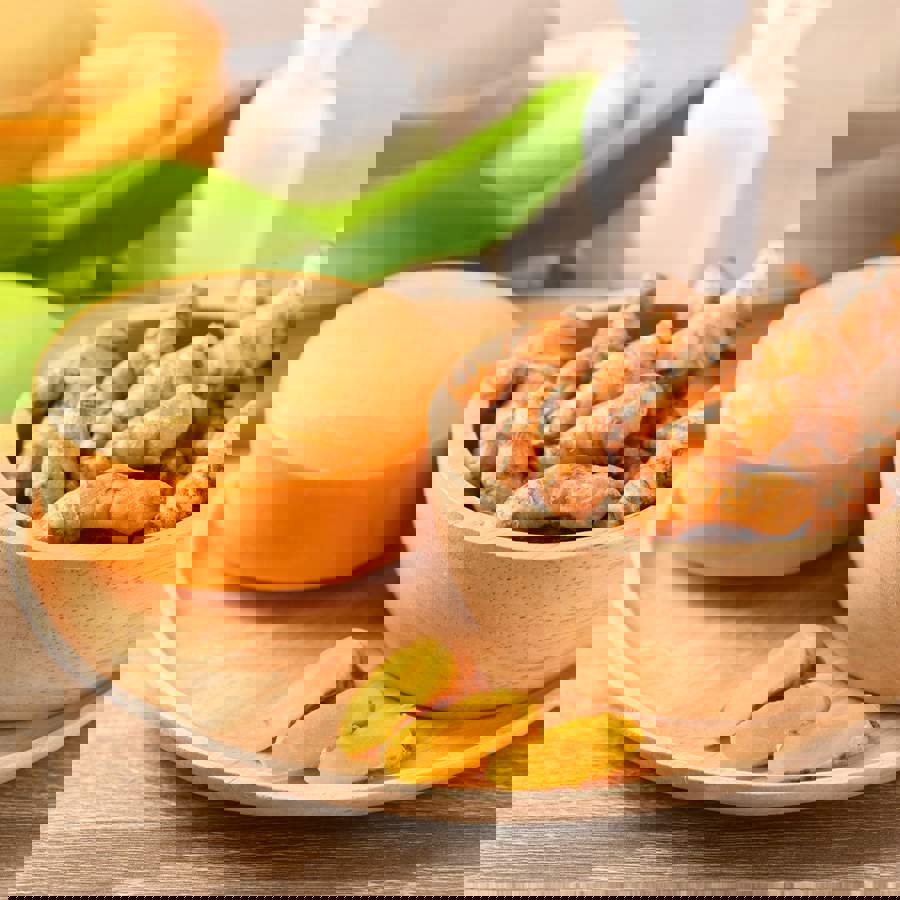
Turmeric is widely used in natural skincare remedies. It helps reduce acne, brighten the skin, and improve complexion. Many people use turmeric face masks and pastes for glowing skin.
5. Wound Healing
Due to its antibacterial and anti-inflammatory properties, turmeric is applied to minor cuts, burns, and wounds to speed up healing.
6. Cosmetic & Personal Care Products
Turmeric is used in creams, soaps, and lotions because of its skin-enhancing properties. It is a common ingredient in herbal beauty products.
7. Traditional & Cultural Uses
In many cultures, especially in South Asia, turmeric is used in religious rituals and ceremonies such as weddings for its symbolic and healing significance.
8. Natural Dye
Turmeric has been used for centuries as a natural dye for fabrics and food due to its strong yellow pigment.
HOW TO USE:
1. Turmeric Powder (Daily Use)
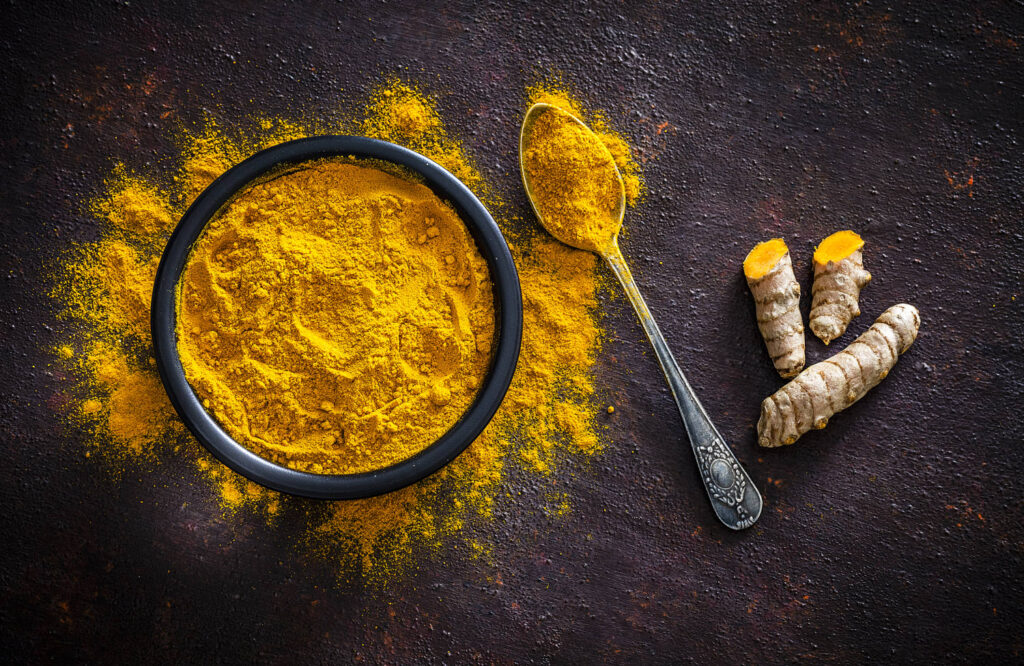
Add ½ to 1 teaspoon of turmeric powder to your daily meals
Mix it in curries, vegetables, rice, or soups
Combine with black pepper and a healthy fat (like oil or milk) for better absorption
2. Turmeric Milk (Golden Milk)
Mix ½ teaspoon turmeric in a glass of warm milk
Add honey and a pinch of black pepper
Drink before bedtime for better sleep and immunity
3. Turmeric Tea
Boil 1 cup water + ½ teaspoon turmeric
Add ginger, lemon, or honey for taste
Drink once or twice daily for digestion and detox
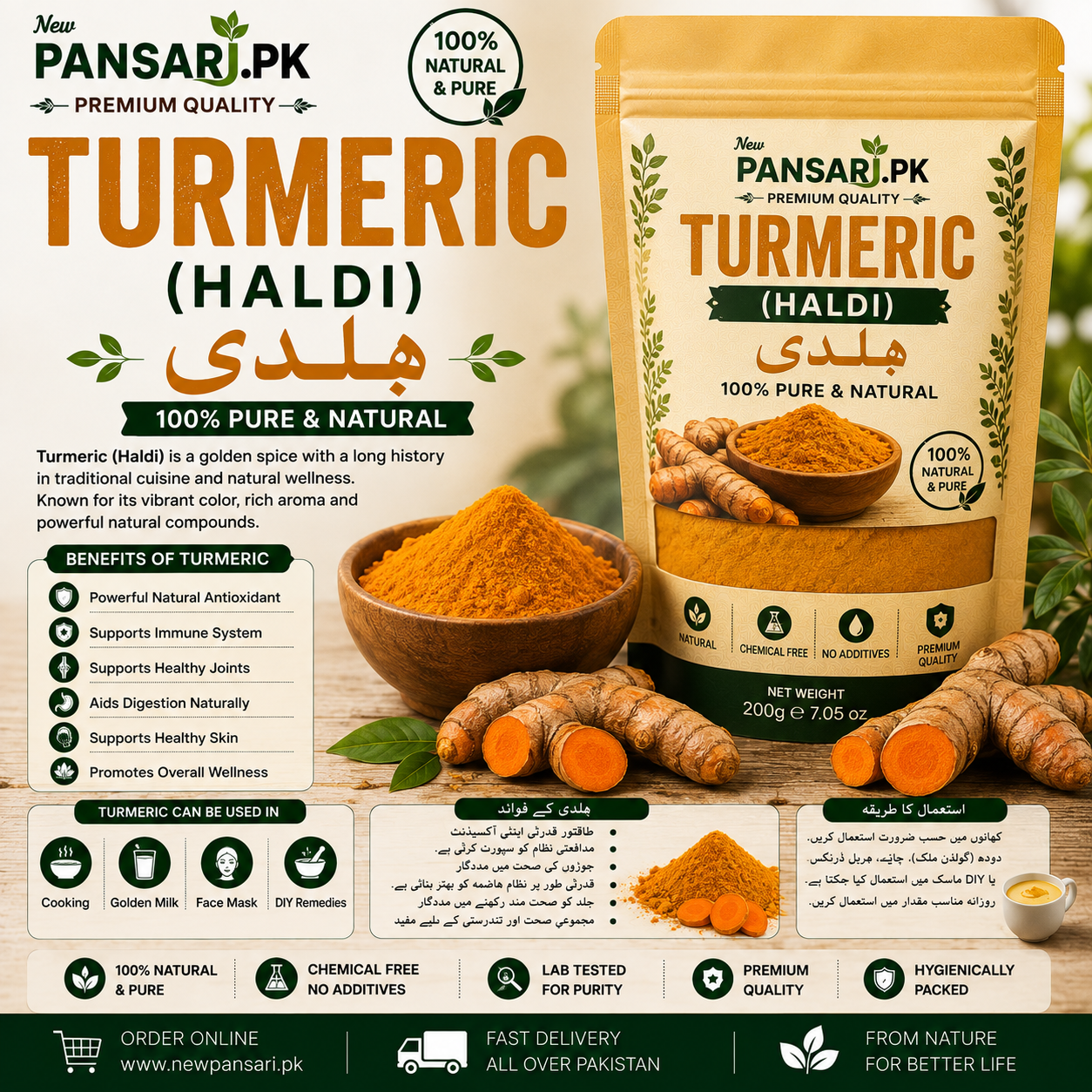
Available as capsules or extracts with high Curcumin content
Typical dosage: 500–1000 mg per day (follow doctor’s advice)
Best for people using turmeric for specific health conditions
5. For Skin (Face Mask)
Mix turmeric with yogurt, honey, or aloe vera
Apply on face for 10–15 minutes, then rinse
Helps with acne, glow, and skin healing
6. For Wounds
Apply a small amount of turmeric paste on minor cuts
Helps prevent infection and speeds up healing.
RARE SIDE EFFECTS:
Stomach issues – gas, acidity, or diarrhea
Blood thinning – may increase bleeding risk
Kidney stones – if used in high amounts
Allergy – skin rash or itching
Medicine interaction – can affect some medicines
Conclusion
Turmeric (Curcuma longa) is a powerful natural remedy that has been used for centuries for its healing properties. From boosting immunity and improving digestion to supporting skin and heart health, it offers a wide range of benefits. Its active compound, Curcumin, plays a key role in fighting inflammation and protecting the body from various diseases.However, like any natural ingredient, turmeric should be used in moderation. Including it in your daily diet in the right amount can help you enjoy its benefits without side effects. Whether you use it in food, drinks, or skincare, turmeric remains one of the most valuable and versatile herbs for a healthy lifestyle in 2026.