




INTRODUCTION:
Moringa, scientifically known as Moringa oleifera, is a fast-growing, nutrient-rich plant often referred to as the “Tree of Life.” Native to parts of South Asia and now widely cultivated in Africa, Asia, and Latin America, moringa has been used for centuries in traditional medicine due to its remarkable health benefits.This powerful plant is packed with essential nutrients, including vitamins A, C, and E, calcium, potassium, and protein. Almost every part of the moringa tree—leaves, seeds, pods, and even roots—is used for nutritional or medicinal purposes. Its leaves, in particular, are considered a superfood because of their high antioxidant and anti-inflammatory properties.
Key Nutrients in Moringa
1. Vitamins
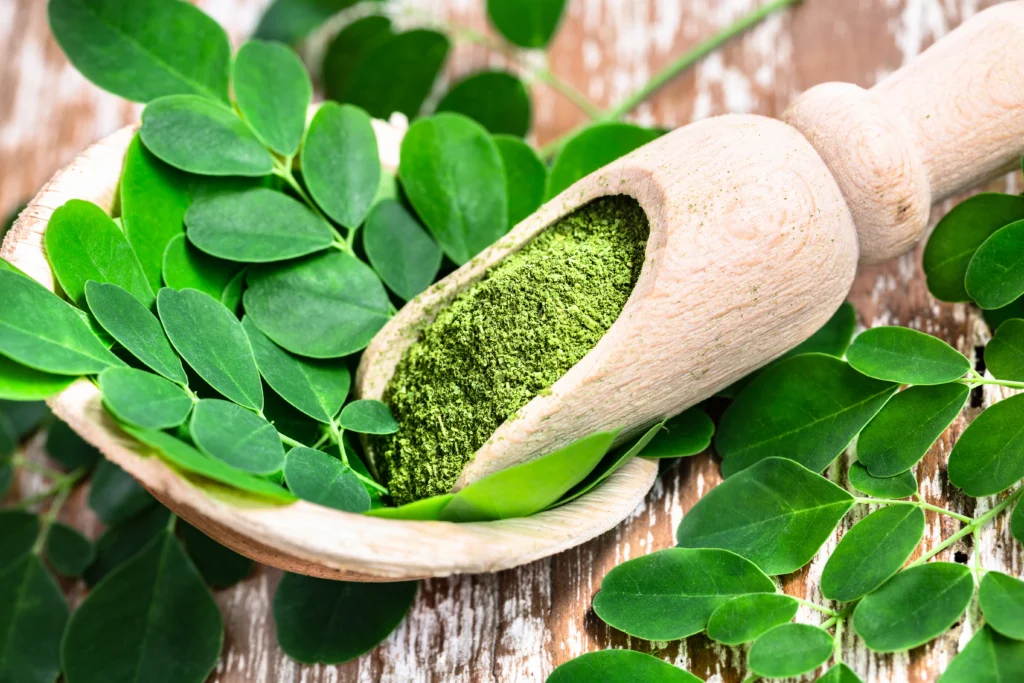
Moringa leaves are rich in important vitamins such as:
Vitamin A – Supports eye health and immunity
Vitamin C – Boosts immune system and fights infections
Vitamin E – Acts as a powerful antioxidant
B Vitamins – Help in energy production and brain function
2. Minerals
Moringa provides essential minerals needed by the body:
Calcium – Strengthens bones and teeth
Potassium – Helps control blood pressure
Iron – Prevents anemia and improves blood health
Magnesium – Supports muscle and nerve function
3. Protein & Amino Acids
Includes all essential amino acids, which are important for muscle growth and repair
Moringa contains plant-based protein
FAMILY BACKGROUND:
Kingdom: Plantae
Order: Brassicales
Family: Moringaceae
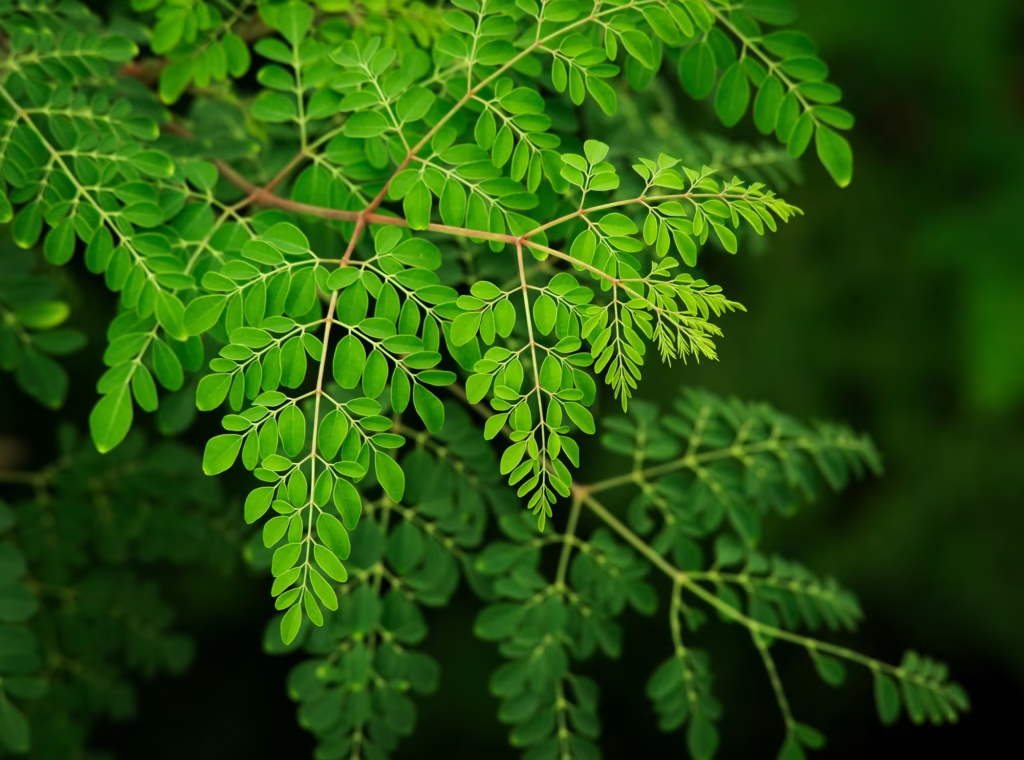
Genus: Moringa
Species: Moringa oleifera
Origin and Distribution
Native to South Asia, especially India and Pakistan
Now widely grown in:
Africa
Middle East
Southeast Asia
Latin America
Plant Characteristics
Members of the Moringaceae family typically have:
Soft, light wood
Small green leaves rich in nutrients
Long seed pods (drumsticks)
White or creamy fragrant flowers
HEALTH BENEFITS:
1. Boosts Immunity

Moringa is loaded with Vitamin C and antioxidants, which help:
Strengthen the immune system
Protect against infections
Fight harmful free radicals
2. Supports Heart Health
Helps lower bad cholesterol (LDL)
May reduce the risk of heart disease
Supports healthy blood circulation
3. Enhances Brain Function
Contains nutrients that support brain health and memory
May help reduce stress and improve mood
Supports overall mental clarity
4. Reduces Inflammation
Rich in natural anti-inflammatory compounds
Helps with joint pain and swelling
Beneficial for chronic inflammatory conditions

5. Controls Blood Sugar Levels
May help regulate blood sugar
Useful for people dealing with Diabetes
Improves insulin sensitivity
6. Improves Skin and Hair
Antioxidants help keep skin healthy and glowing
Supports hair growth and strengthens roots
Slows down signs of aging
7. Aids Digestion
Contains fiber that promotes healthy digestion
Helps prevent constipation
Supports gut health
8. Increases Energy Levels
Natural source of vitamins and minerals
Helps reduce fatigue and weakness
Provides long-lasting energy without caffeine
9. Supports Weight Management
Low in calories but high in nutrients
Helps control appetite
Supports healthy metabolism
10. Detoxifies the Body
Helps remove toxins from the body
Supports liver health
Promotes overall internal cleansing
HOW TO USE:
1. Moringa Powder (Most Popular)
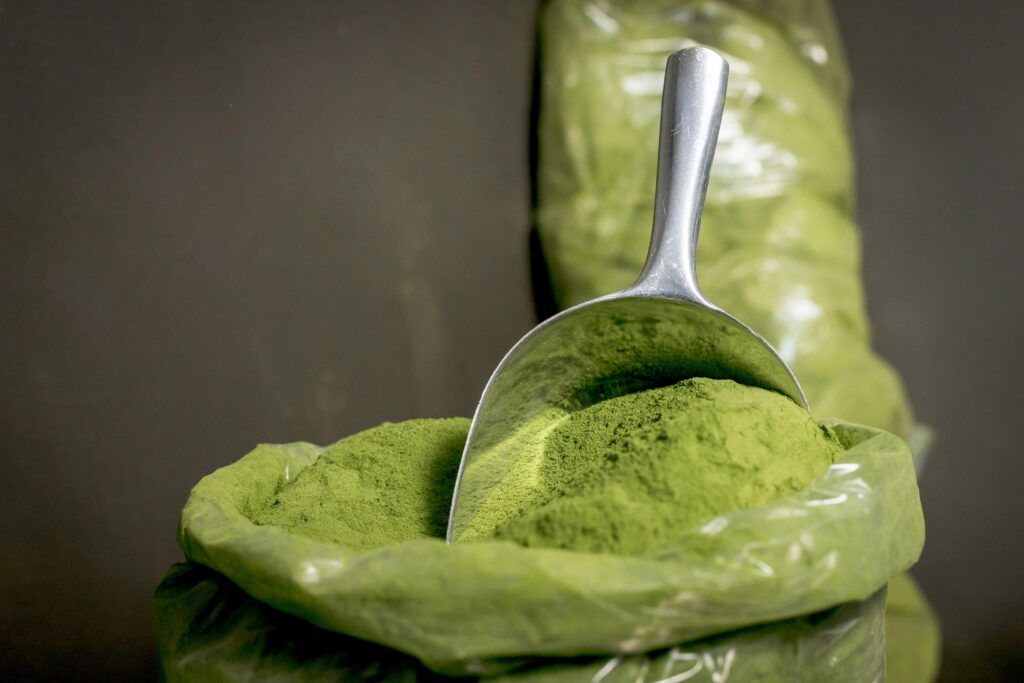
How to use:
Mix 1 teaspoon in water, juice, or smoothies
Add to yogurt, oatmeal, or protein shakes
Best time: Morning (for energy boost)
Tip: Start with small amounts to avoid digestive discomfort
2. Moringa Tea
How to use:
Add 1 teaspoon dried leaves to hot water
Steep for 5–10 minutes
Optional: Add honey or lemon
Benefits: Detox support, improves digestion
3. Moringa Capsules/Tablets
How to use:
Take 1–2 capsules daily (follow product dosage)

Best for: People who don’t like the taste
4. Fresh Moringa Leaves
How to use:
Cook like spinach in curries or soups
Add to salads (young leaves only)
Nutritional advantage: Highest nutrient retention in fresh form
5. Moringa Oil
How to use:
Apply directly on skin for moisturizing
Use on hair scalp for strength and shineAlso known as: “Ben oil” in skincare
SIDE EFFECTS:

1. Digestive Issues
Nausea
Diarrhea
Stomach cramps
Why it happens:
High fiber and strong plant compounds can irritate the digestive tract, especially if taken in large doses or on an empty stomach.
2. Low Blood Pressure (Hypotension)
Dizziness
Lightheadedness
Weakness
Mechanism:
Moringa has natural blood-pressure-lowering properties. If combined with BP medications, it may drop pressure too much.
3. Blood Sugar Drops (Hypoglycemia)
Shaking
Sweating
Confusion
Who is at risk:
People taking diabetes medications. Moringa can enhance glucose-lowering effects, leading to dangerously low sugar levels.
4. Pregnancy Risks
May cause uterine contractions
Potential miscarriage risk (especially root and bark)
Important:
Avoid moringa root, bark, and extracts during pregnancy.
5. Drug Interactions
Moringa may interact with:
Blood pressure medicines
Diabetes drugs
Thyroid medications
Result: Increased or unpredictable effects of medication.
6. Toxicity from Certain Parts
Root and bark may contain harmful compounds
Can be toxic if consumed in high amounts
Safe parts: Leaves and pods (in moderate quantities)
7. Slowed Heart Rate
Rare but possible
May affect people with existing heart conditions
Who Should Be Careful?
Pregnant or breastfeeding women
People with chronic illnesses
Those on regular medication