



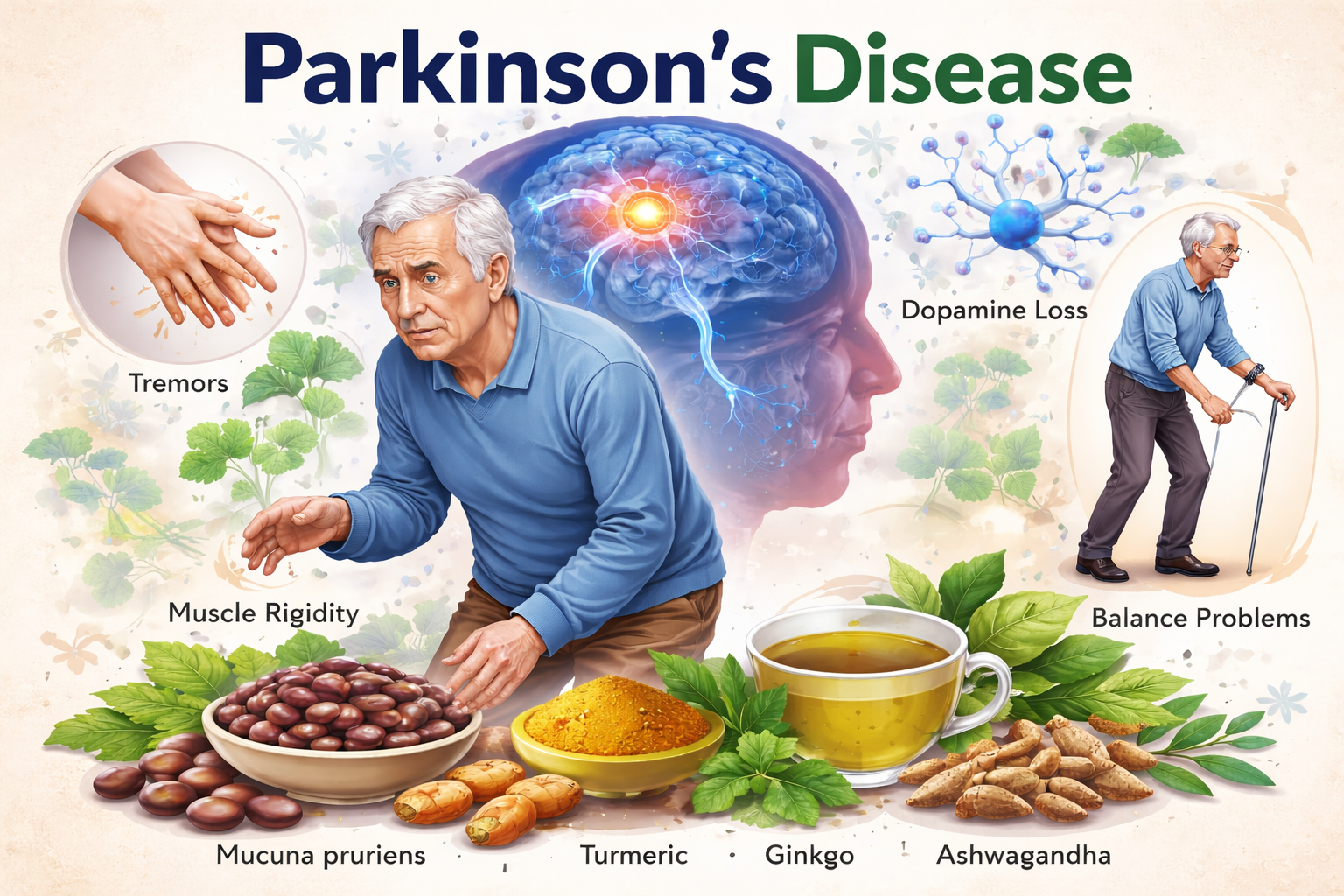
Introduction:
Parkinson’s disease is a progressive neurological disorder that primarily affects movement and coordination. It develops gradually when certain nerve cells in the brain—particularly those responsible for producing dopamine—begin to break down or die. Dopamine is a crucial chemical messenger that helps control smooth and balanced muscle movements. As its levels decrease, individuals may start experiencing symptoms such as tremors, stiffness, slow movement, and difficulty with balance.This condition usually appears in people over the age of 60, although early-onset cases can occur. The exact cause of Parkinson’s disease is not fully understood, but it is believed to result from a combination of genetic and environmental factors. While there is currently no permanent cure, early diagnosis and proper management can significantly improve quality of life.
Symptoms:
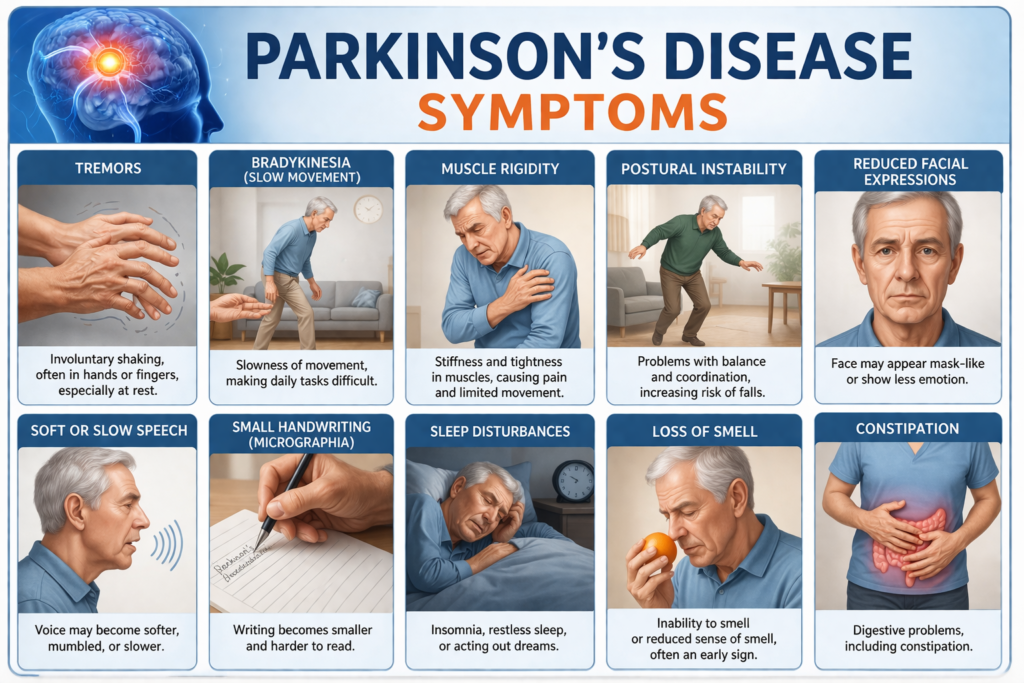
Main (Motor) Symptoms
These symptoms affect movement and physical control:
Tremors (Shaking):
Involuntary shaking, often starting in the hands or fingers, especially when at rest.
Bradykinesia (Slow Movement):
Movements become slower, making simple tasks like walking or dressing difficult.
Muscle Rigidity:
Stiffness in muscles can limit range of motion and cause pain.
Postural Instability:
Problems with balance and coordination, increasing the risk of falls.
Other Physical Signs
Reduced facial expressions (mask-like face)
Soft or slow speech
Small handwriting (micrographia)
Stooped posture
Difficulty swallowing (in later stages)
Non-Motor Symptoms
Depression and anxiety
Sleep disturbances (insomnia, restless sleep)
Loss of smell (early sign)
Fatigue and low energy
Memory problems or cognitive decline (advanced stages)
Constipation and digestive issues
Causes of Parkinson’s disease
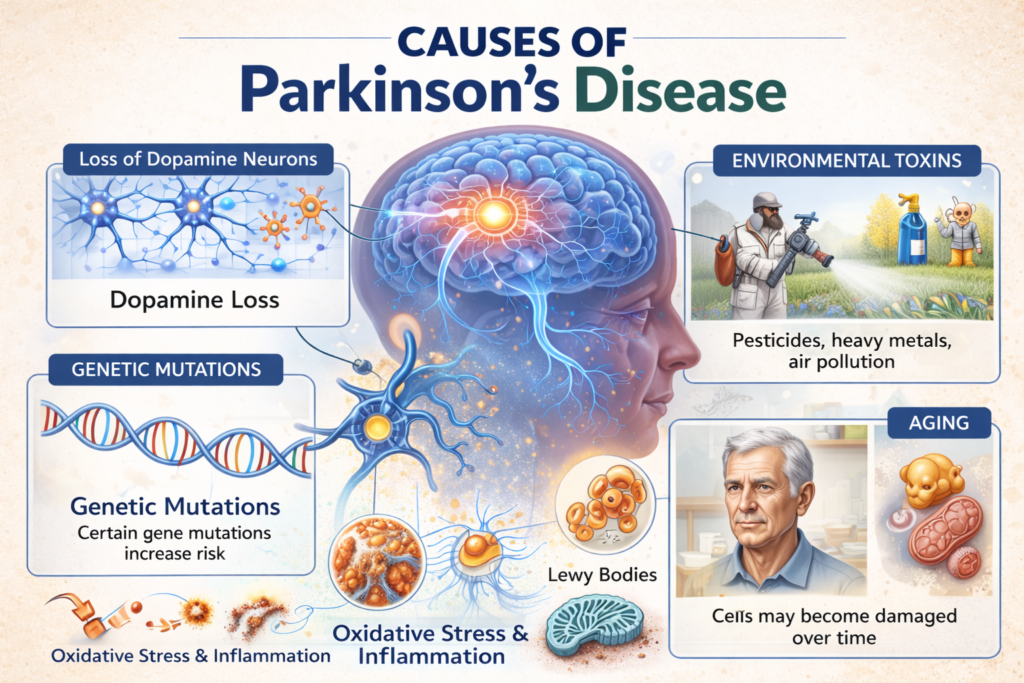
The exact cause of Parkinson’s disease is still not fully understood, but researchers believe it results from a combination of biological, genetic, and environmental factors. The disease develops when dopamine-producing nerve cells in a specific part of the brain (called the substantia nigra) gradually deteriorate.
1. Loss of Dopamine-Producing Neurons
The primary cause is the degeneration of nerve cells that produce dopamine.
Dopamine helps control smooth and coordinated muscle movements.
When dopamine levels drop, it leads to the movement problems seen in Parkinson’s disease.
2. Genetic Factors
Certain gene mutations can increase the risk of developing Parkinson’s.
Although most cases are not directly inherited, having a family history may raise the chances.
Specific genes (like LRRK2 and PARK genes) have been linked to the disease.
3. Environmental Triggers
Exposure to harmful substances may contribute to the disease:
Pesticides and herbicides
Heavy metals
Air pollution and toxins
Long-term exposure to these factors may damage brain cells over time.
4. Protein Abnormalities (Lewy Bodies)
People with Parkinson’s often develop abnormal protein clumps in the brain called Lewy bodies.
These are mainly made of a protein known as alpha-synuclein, which disrupts normal brain function.
5. Age as a Major Risk Factor
Parkinson’s disease is more common in older adults, especially after age 60.
Aging increases the vulnerability of brain cells to damage.
6. Other Contributing Factors
Oxidative stress (damage caused by free radicals)
Inflammation in the brain
Mitochondrial dysfunction (problems with cell energy production)
Key Point
There is usually no single cause of Parkinson’s disease. Instead, it develops due to a combination of multiple factors working together over time.
Herbal Remedies for Parkinson’s disease
1. Mucuna pruriens (Velvet Bean)
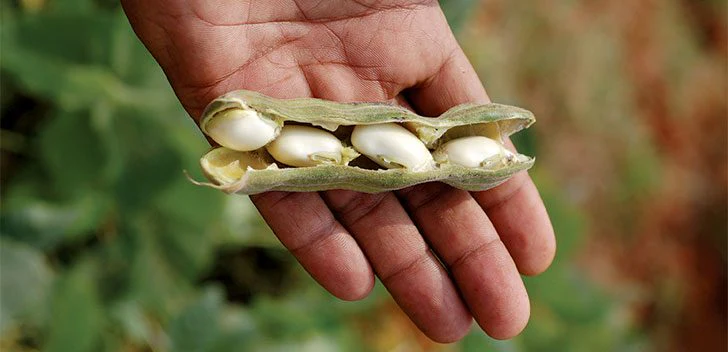
Naturally contains L-DOPA, the same compound used in many Parkinson’s medications.
May help improve movement and reduce tremors.
Often used in powder or capsule form.
Contains curcumin, a powerful anti-inflammatory and antioxidant.
Helps protect brain cells from damage.
Can be taken as turmeric milk or supplements.
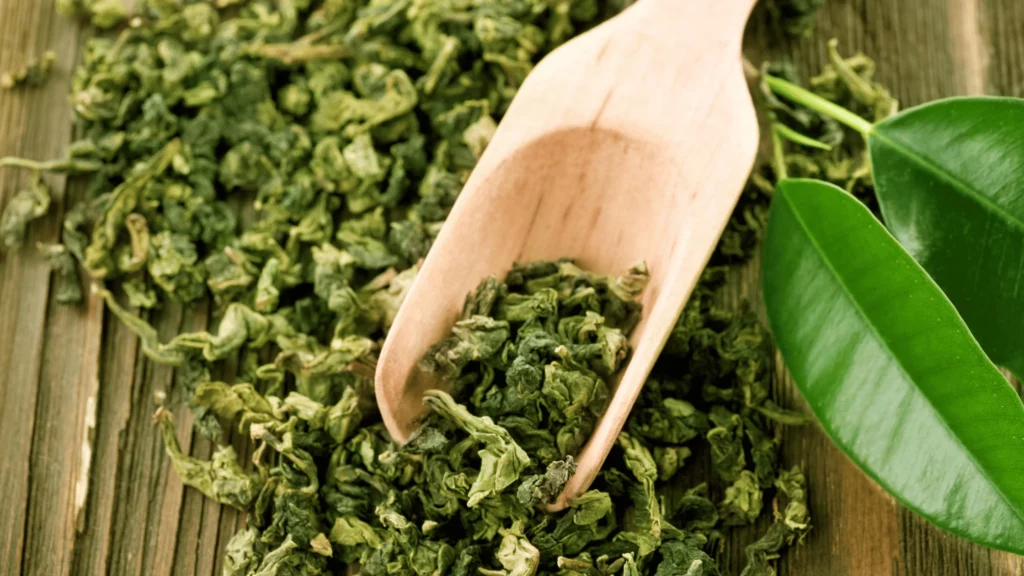
3. Camellia sinensis (Green Tea)
Rich in antioxidants that support brain health.
May slow down brain cell degeneration.
Drink 1–2 cups daily for benefits.
Improves blood circulation to the brain.
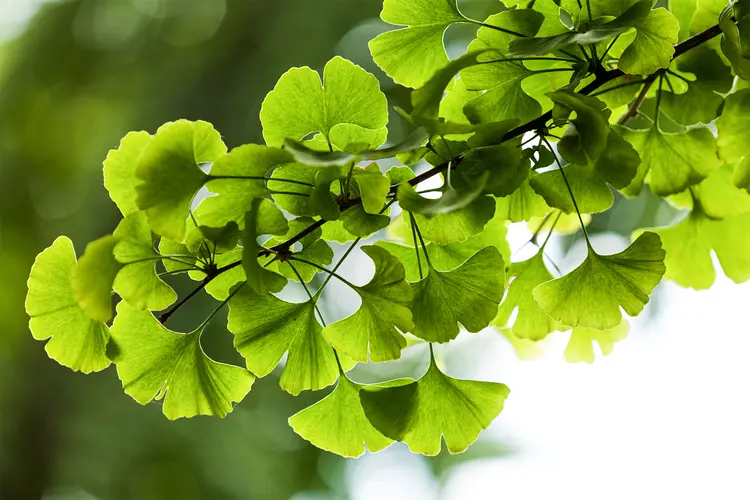
May help with memory and cognitive function.
Available as capsules or extracts.
5. Withania somnifera (Ashwagandha)
Helps reduce stress and anxiety.
Supports nerve health and brain function.
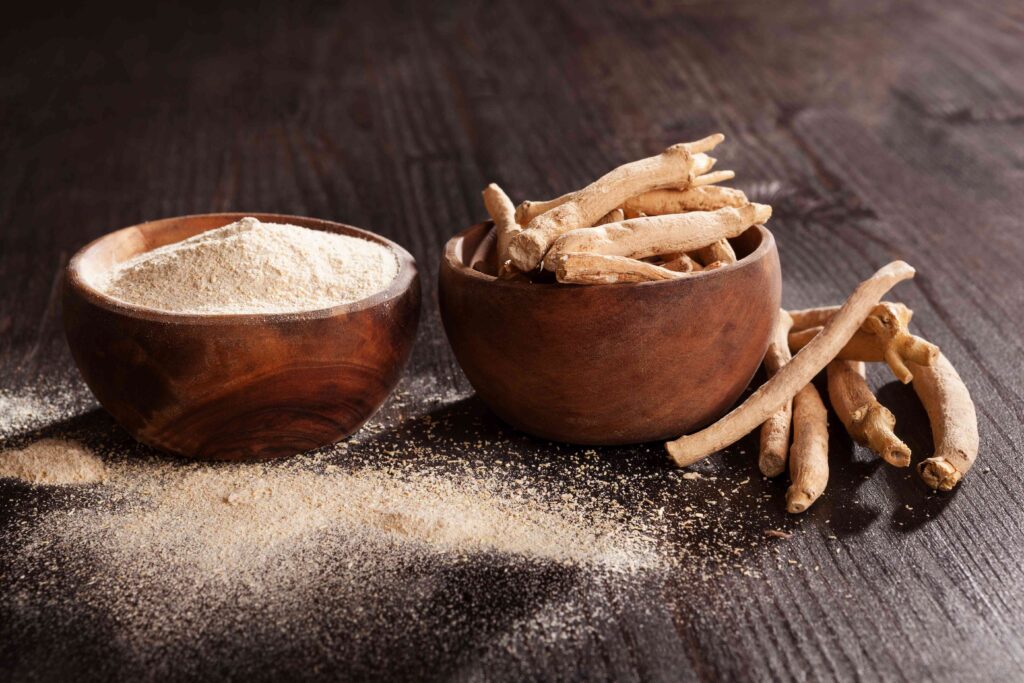
Commonly used in powder or capsule form.
Enhances memory and mental clarity.
May protect neurons from damage.
Used in Ayurvedic medicine for brain health.
Important Tips
Combine herbal support with healthy diet, exercise, and medical care for best results.
Always consult a doctor before using herbal remedies, especially if taking Parkinson’s medications.
Some herbs may interact with drugs like Levodopa.
Use herbs in moderate and recommended doses only.